What Is Hypertension? Understanding High Blood Pressure
What Does Hypertension Mean? Understanding High Blood Pressure in New Zealand
Key Takeaways
- High blood pressure affects one in four people across New Zealand.
- The condition typically presents without any physical symptoms, earning its reputation as a silent killer.
- Clinical diagnosis requires accurate measurement over time to account for fluctuations.
- Specialised 24-hour monitoring provides the most reliable data for long-term health management.
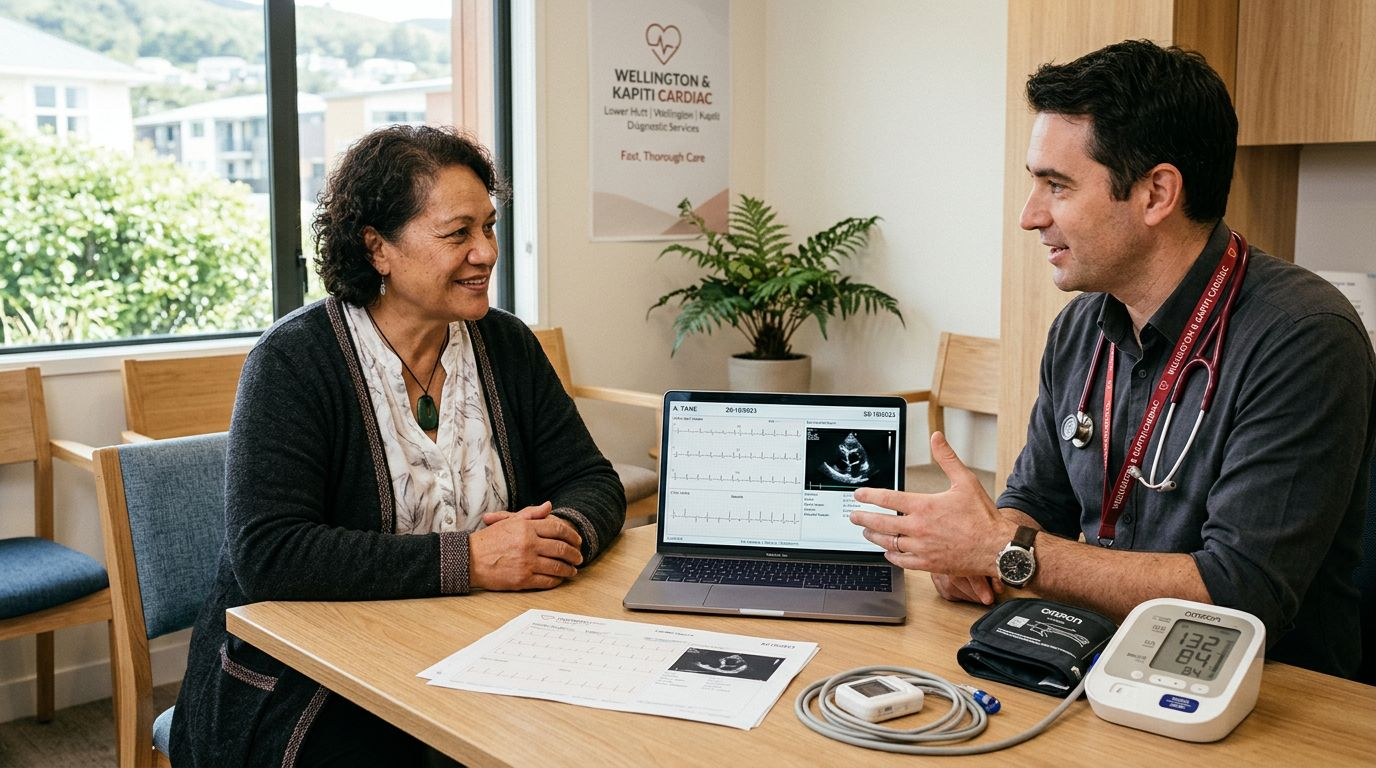
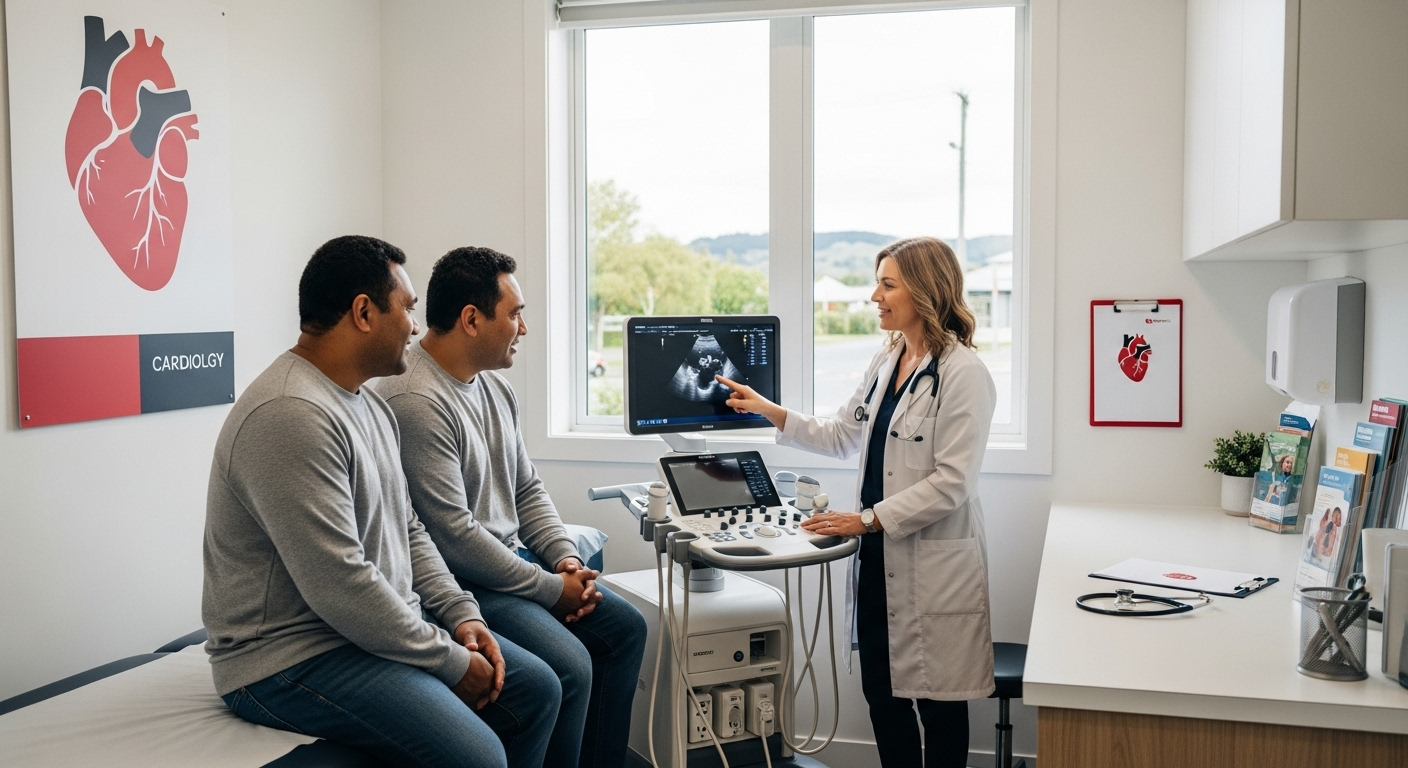
If you are grabbing a flat white in Wellington Central or heading to work in Porirua, you are likely standing near someone who has high blood pressure without even knowing it. In our experience at CardioLabs, we have seen that hypertension remains one of the most common yet misunderstood health conditions facing Kiwis today. Because it rarely causes obvious physical distress, many people treat it as a minor statistical detail rather than the significant health indicator it actually represents.
Understanding your blood pressure numbers is the first step toward protecting your heart. According to the Heart Foundation NZ (2026), high blood pressure affects 1 in 3 New Zealanders over 30 and contributes to thousands of deaths each year. We believe that by providing clear, accessible information and precise diagnostics, we can help our community manage this risk effectively before it leads to more serious complications.
Defining Hypertension in a Kiwi Context
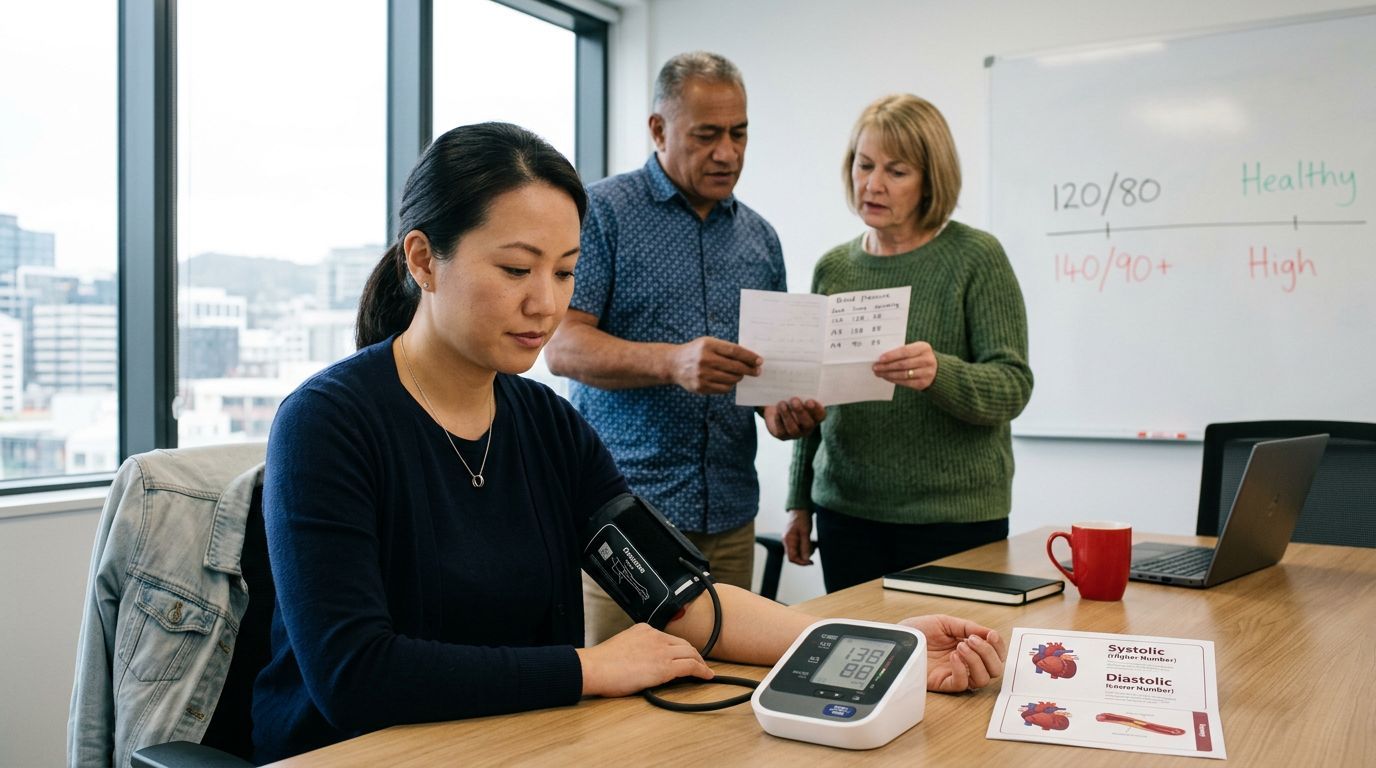
Hypertension is the medical term for high blood pressure, a condition where the force of the blood against your artery walls remains consistently too high. We measure this force in millimetres of mercury (mmHg) using two specific numbers: systolic and diastolic. Systolic pressure represents the force when your heart beats, while diastolic pressure measures the force when your heart rests between beats. A typical healthy reading for most New Zealanders sits at 120/80 mmHg or lower.
Clinical guidelines in New Zealand generally define hypertension as a consistent reading of 140/90 mmHg or higher. Research from the University of Auckland (2024) highlights that at least 25 percent of the population in New Zealand has high blood pressure, making it the greatest modifiable risk factor for heart attacks and strokes. This prevalence means that nearly one in three adults lives with the condition, often without realising the strain it places on their vascular system. For those who want to dive deeper into what these figures mean for their specific age group, our article on understanding your blood pressure numbers provides a detailed breakdown of NZ health ranges.
Why We Call Hypertension the Silent Killer
Hypertension remains an invisible condition because it typically lacks noticeable symptoms. You cannot feel your blood vessels under pressure in the same way you might feel a strained muscle or a fever. This absence of warning signs allows the condition to quietly damage the lining of your arteries over many years, leading to the nickname the silent killer. The World Health Organization (2024) notes that the number of adults with hypertension globally has doubled to 1.4 billion since 1990, with many individuals remaining unaware of their status until a major event occurs.
In New Zealand, cardiovascular disease remains the leading cause of death, accounting for nearly one third of all fatalities, or roughly 10,000 deaths annually. High blood pressure serves as the primary driver for these outcomes, including heart failure, kidney damage, and stroke. We often observe that even among those who are aware of their condition, about 50 percent remain hypertensive despite being on medication. This reality underscores the need for regular, accurate tracking to ensure that management strategies are actually working. You can learn more about how this relates to other common heart conditions in New Zealand through our dedicated guide.
Common Risk Factors for New Zealanders
Hypertension affects adults of all ages, though the likelihood of developing it increases as we get older. Data indicates that the proportion of adults on blood pressure medication jumps from less than 1 percent in young adulthood to over 50 percent by age 75. While age is a factor we cannot change, many other risks fall under our control. According to clinical guidance from BPAC (2023), common risk factors include excess body weight, a sedentary lifestyle, high salt intake, and smoking. Pre-existing conditions like diabetes or kidney dysfunction also significantly raise the probability of elevated readings.
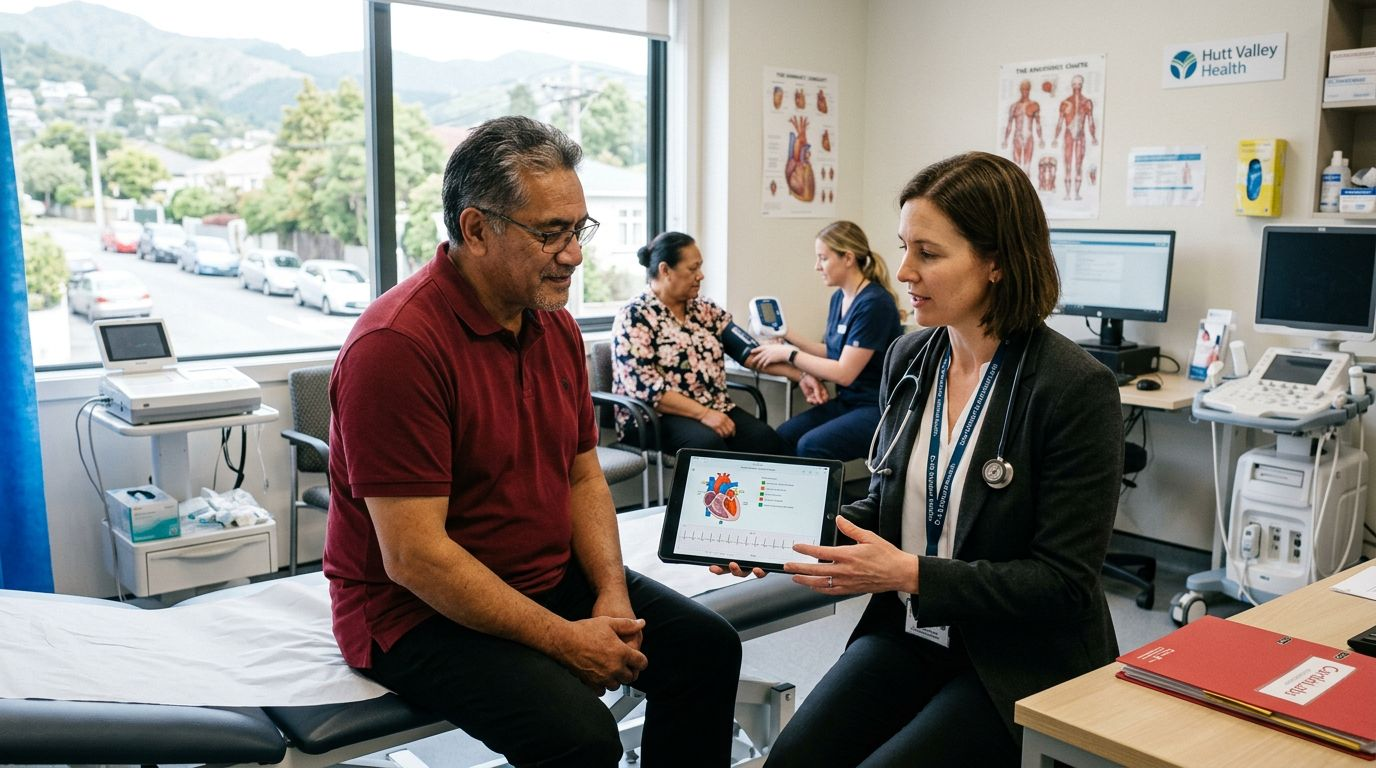
We have seen that lifestyle adjustments can produce a steady improvement in blood pressure levels. Reducing sodium intake, increasing physical activity, and managing stress all contribute to lower arterial pressure. However, the first step in any management plan is obtaining an accurate baseline. Whether you are a plumber in Petone or a teacher in Karori, knowing your numbers allows you to make informed decisions alongside your GP.
Moving Beyond the Single Clinic Reading
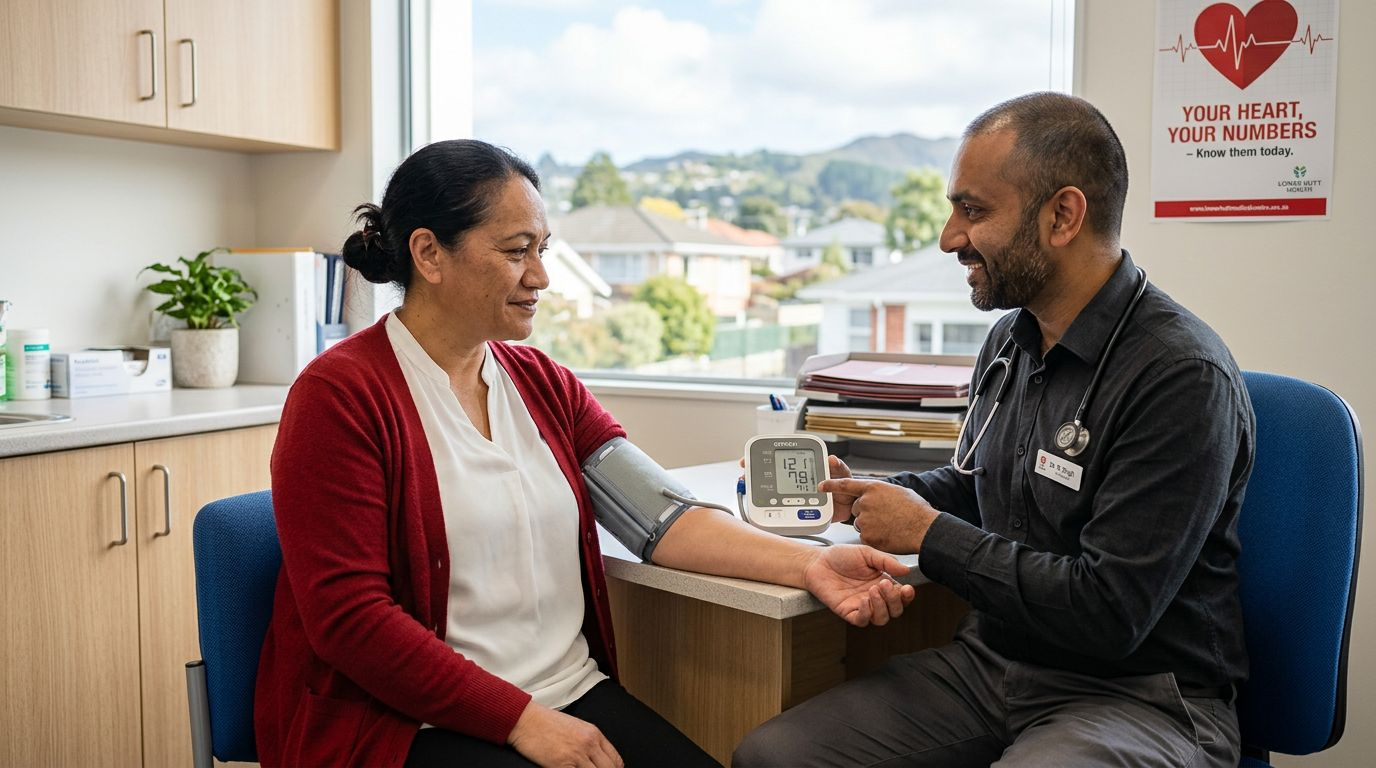
Accurate diagnosis relies on more than a single measurement taken in a doctor's office. Many people experience white coat hypertension, where the stress of being in a medical environment causes a temporary spike in blood pressure that does not reflect their usual levels. Conversely, some individuals have masked hypertension, where their readings appear normal in the clinic but remain dangerously high during their daily lives. Because of these variations, a clinic reading of 160/100 mmHg or higher warrants immediate attention, but lower elevations often require further investigation.
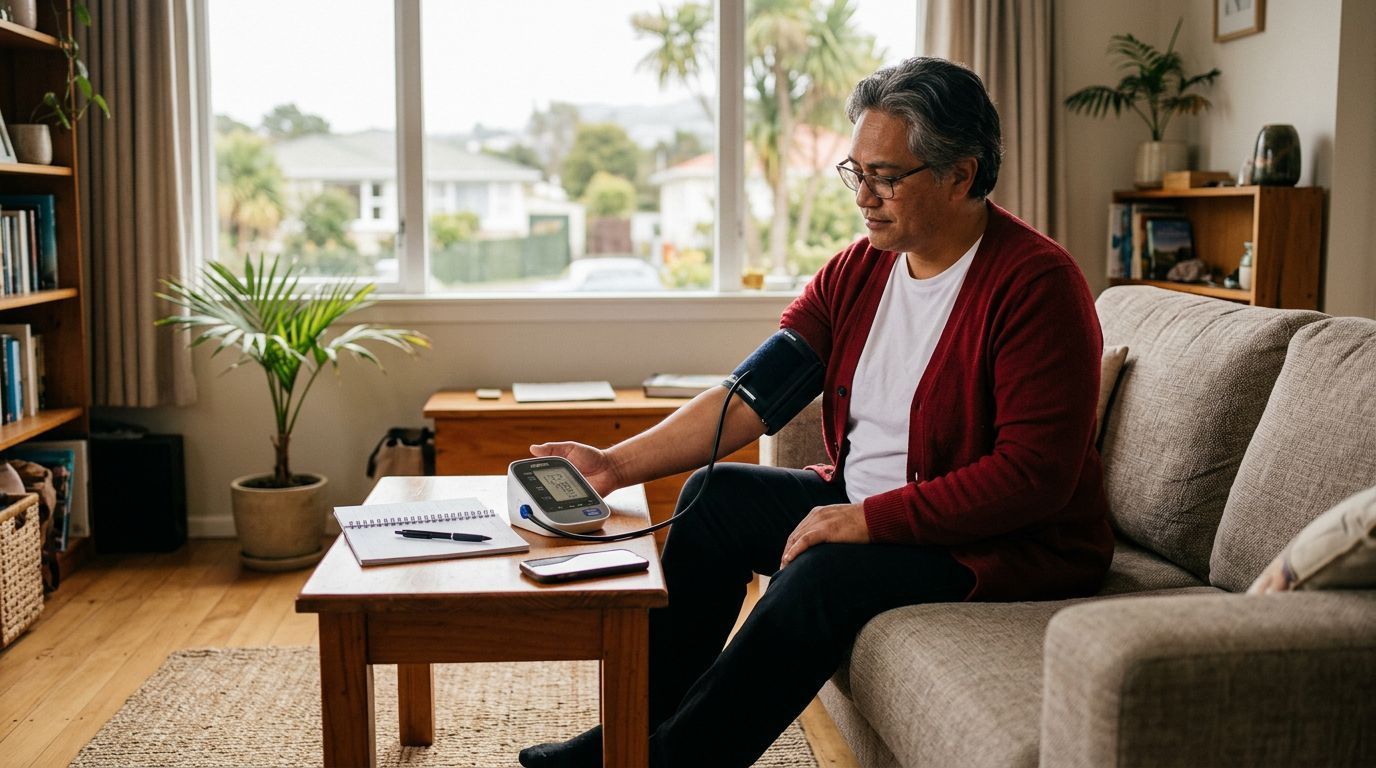
We recommend a more comprehensive approach to capture the full picture of your heart health. Relying on one-off tests can lead to over-treatment or, more dangerously, missing a diagnosis entirely. This is why we advocate for specialised testing that monitors your body's response to the stresses and rhythms of a full 24-hour cycle. Our guide to blood pressure monitoring in NZ offers practical advice on how to track your health accurately at home and through professional services.
The Role of 24-Hour Ambulatory Monitoring
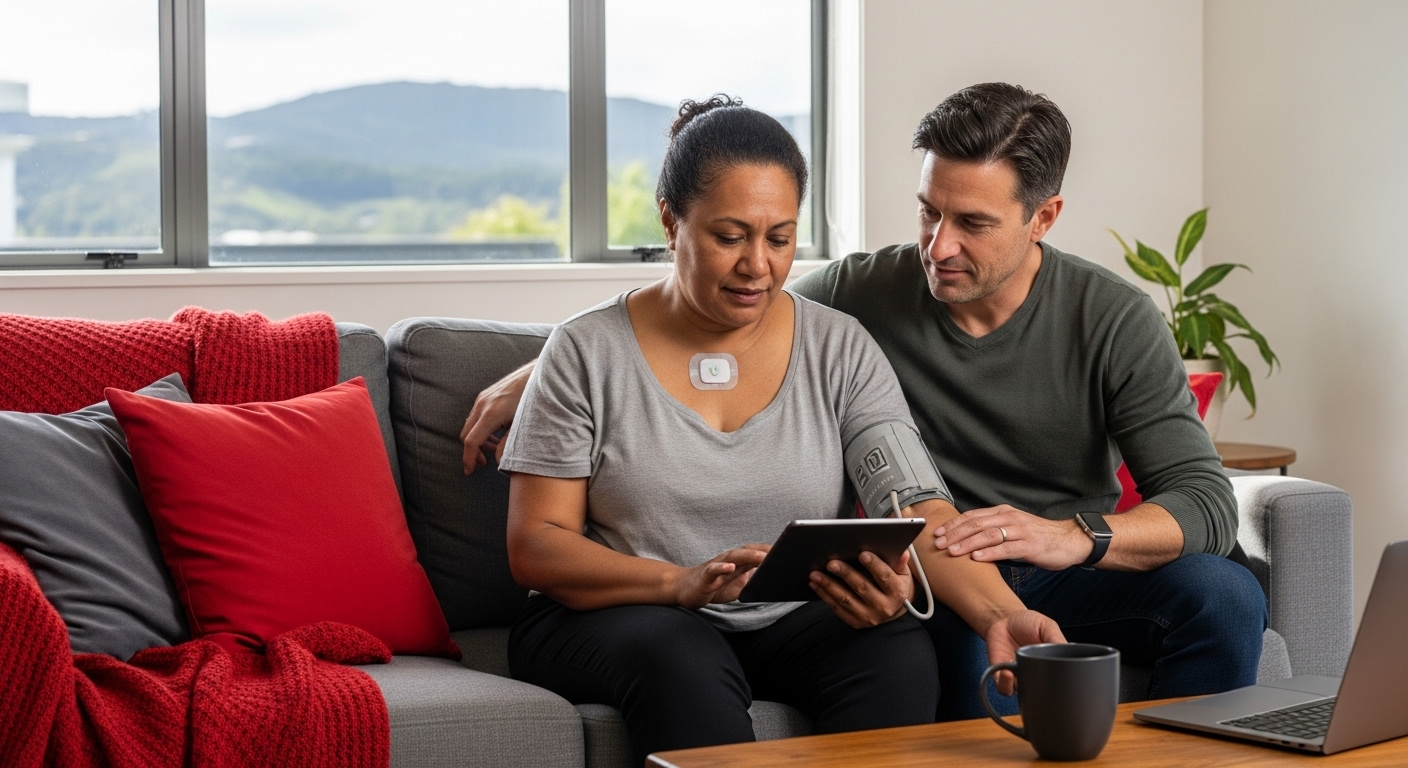
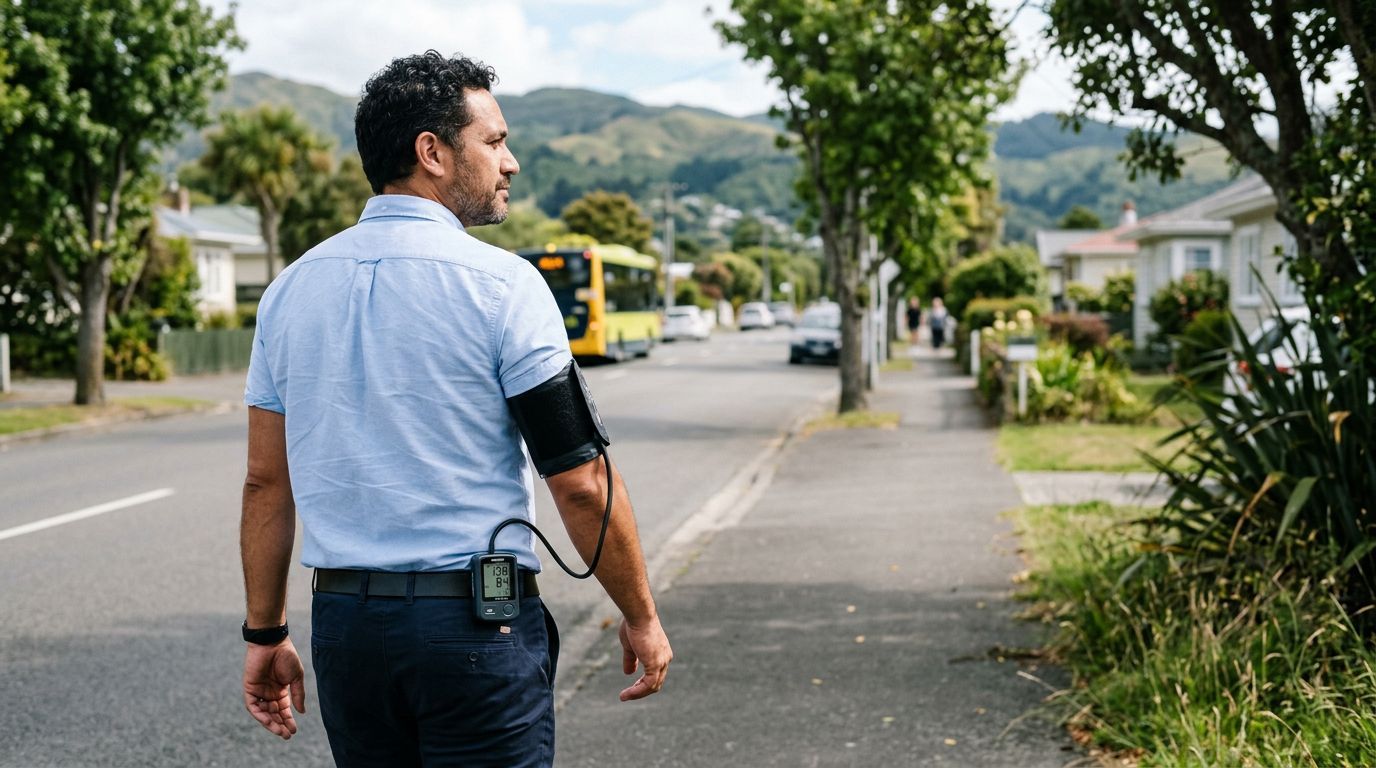
A 24-hour blood pressure monitor represents the gold standard for diagnosing hypertension. This painless, non-invasive test involves wearing a small cuff that automatically takes readings throughout the day and night. By capturing data during work, rest, and sleep, we can identify patterns like nocturnal dipping, which is the natural drop in blood pressure that should occur while you sleep. Missing this natural dip can be a key indicator of cardiovascular risk that a standard clinic test would never catch.
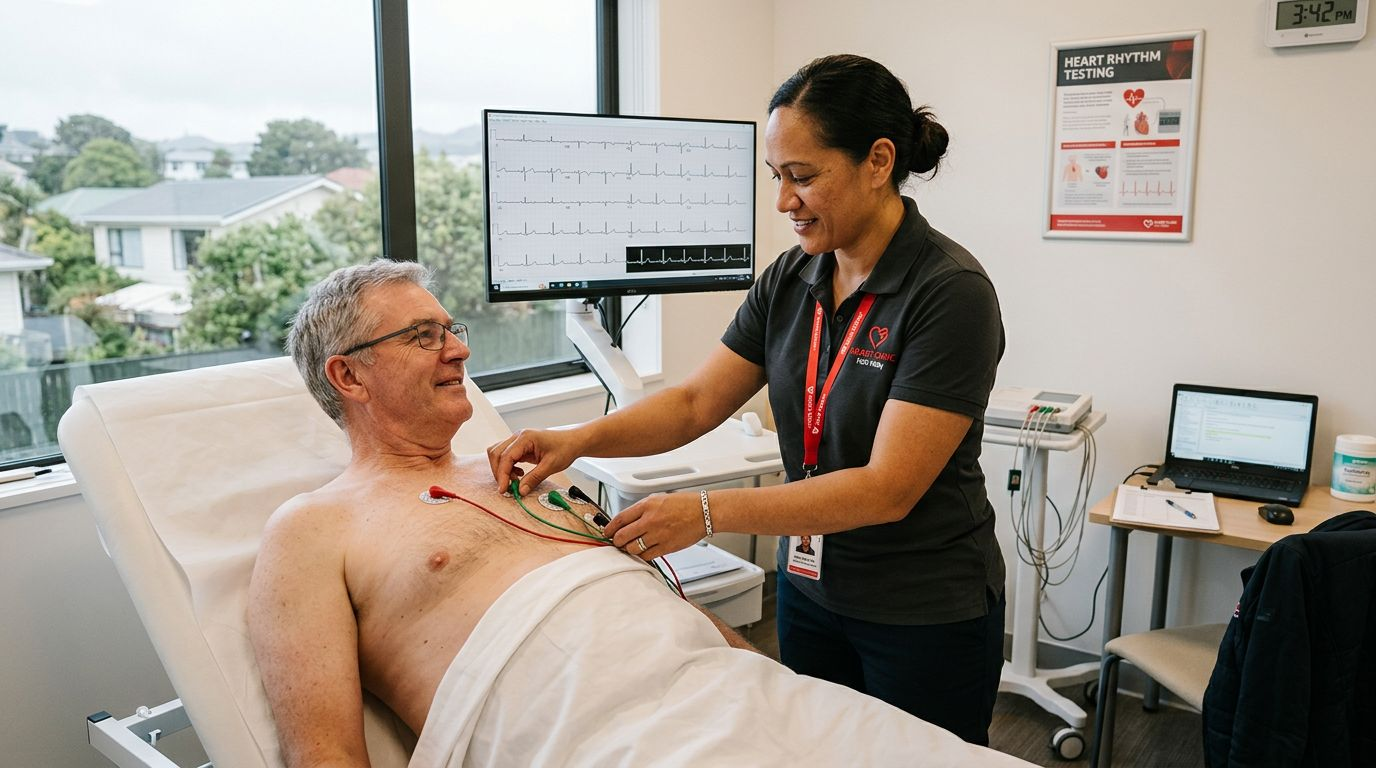
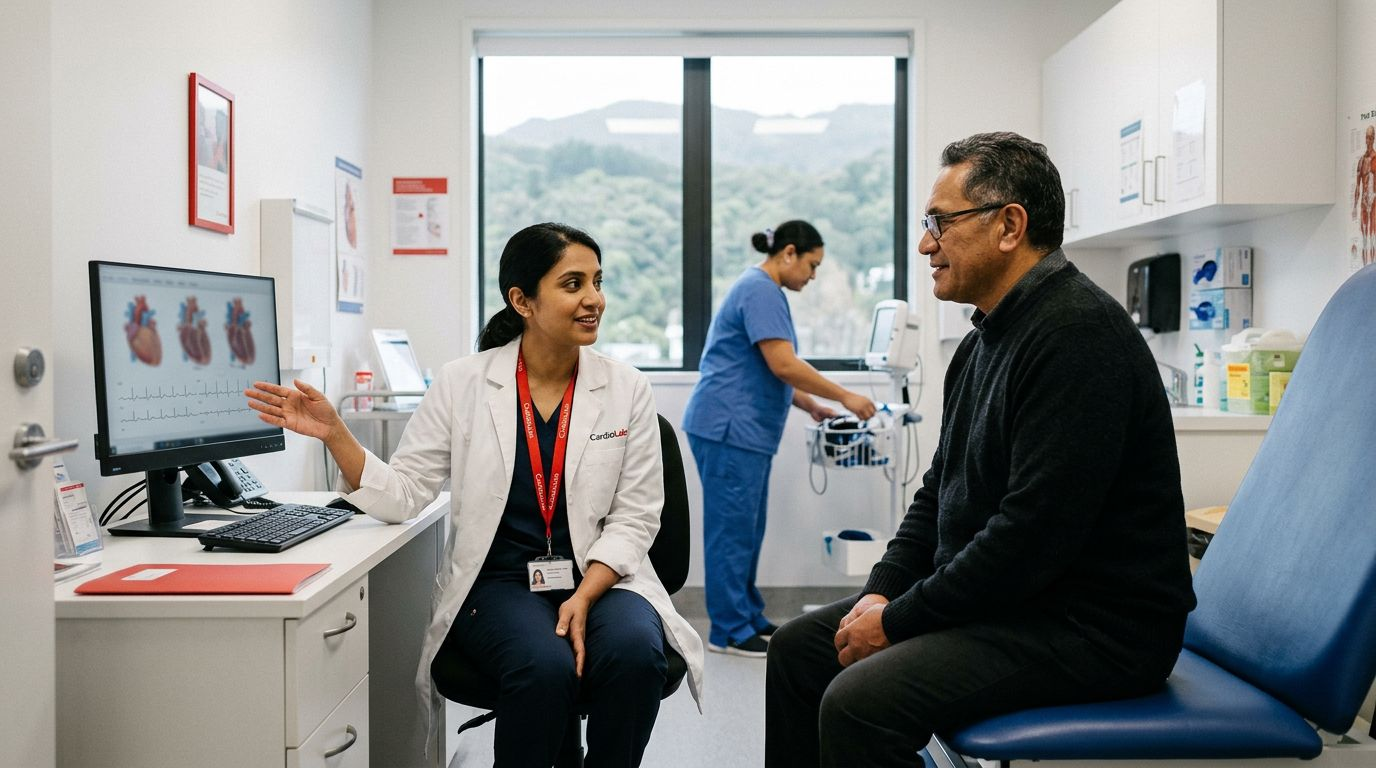
At CardioLabs, our 24-hour blood pressure monitor service costs $334 and includes a detailed report reviewed by a specialist cardiologist. We provide these results within approximately 48 hours, giving your GP the high-quality data they need to create a precise management plan. This service is accessible across the Wellington region, either through our clinics or via a convenient courier option. For those requiring a broader assessment, we also offer a 12-lead ECG for $96, a 48-hour Holter monitor for $423, and echocardiograms for $673.
Taking Control of Your Heart Health
Hypertension is a widespread condition, but it is also highly manageable when detected early. By shifting the focus from occasional checks to consistent, accurate monitoring, you can significantly reduce your risk of heart attack and stroke. We have seen that early intervention not only saves lives but also improves the quality of life by preventing the long-term organ damage associated with untreated high blood pressure. If you are concerned about your readings or have a family history of heart disease, taking the step to get a professional 24-hour assessment is a practical way to gain clarity and peace of mind.
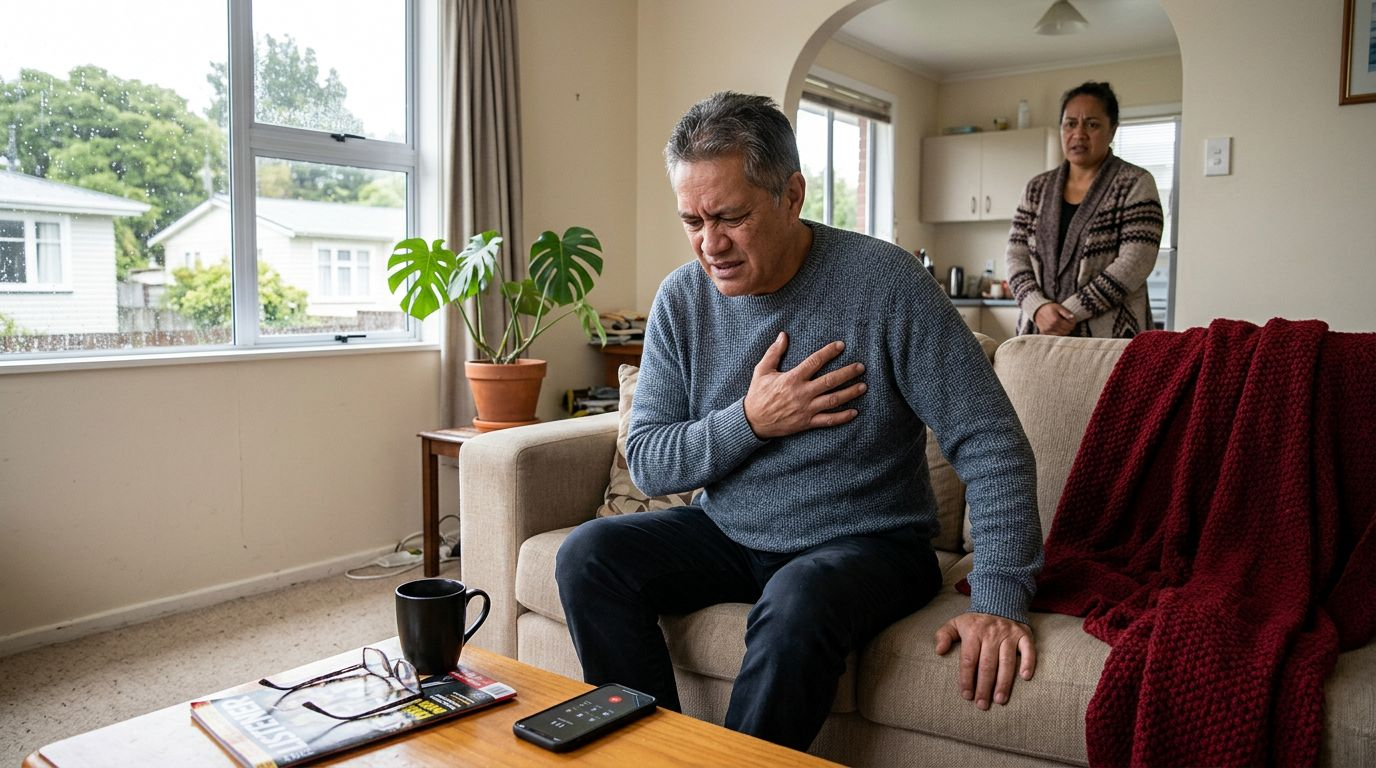
Medical Disclaimer: The information provided in this article is for educational purposes only and does not constitute medical advice. Hypertension is a serious medical condition that requires professional diagnosis and management. Always consult with a qualified healthcare provider, such as your GP or a cardiologist, before making changes to your medication or lifestyle, or if you have concerns about your blood pressure readings. If you experience symptoms like sudden chest pain, severe headache, or shortness of breath, seek emergency medical assistance immediately.