Blood Pressure Monitor Guide: Tracking Heart Health in NZ | CardioLabs
Mastering Your Numbers: The Complete Guide to Blood Pressure Monitoring
Key Takeaways
- Regular monitoring identifies hypertension that frequently presents no physical symptoms.
- Automatic upper-arm monitors provide the most reliable data for home-based tracking.
- Proper preparation, including a five-minute rest period, ensures your readings reflect your true resting state.
- 24-hour ambulatory monitoring offers a detailed look at patterns like nocturnal dipping and white-coat hypertension.
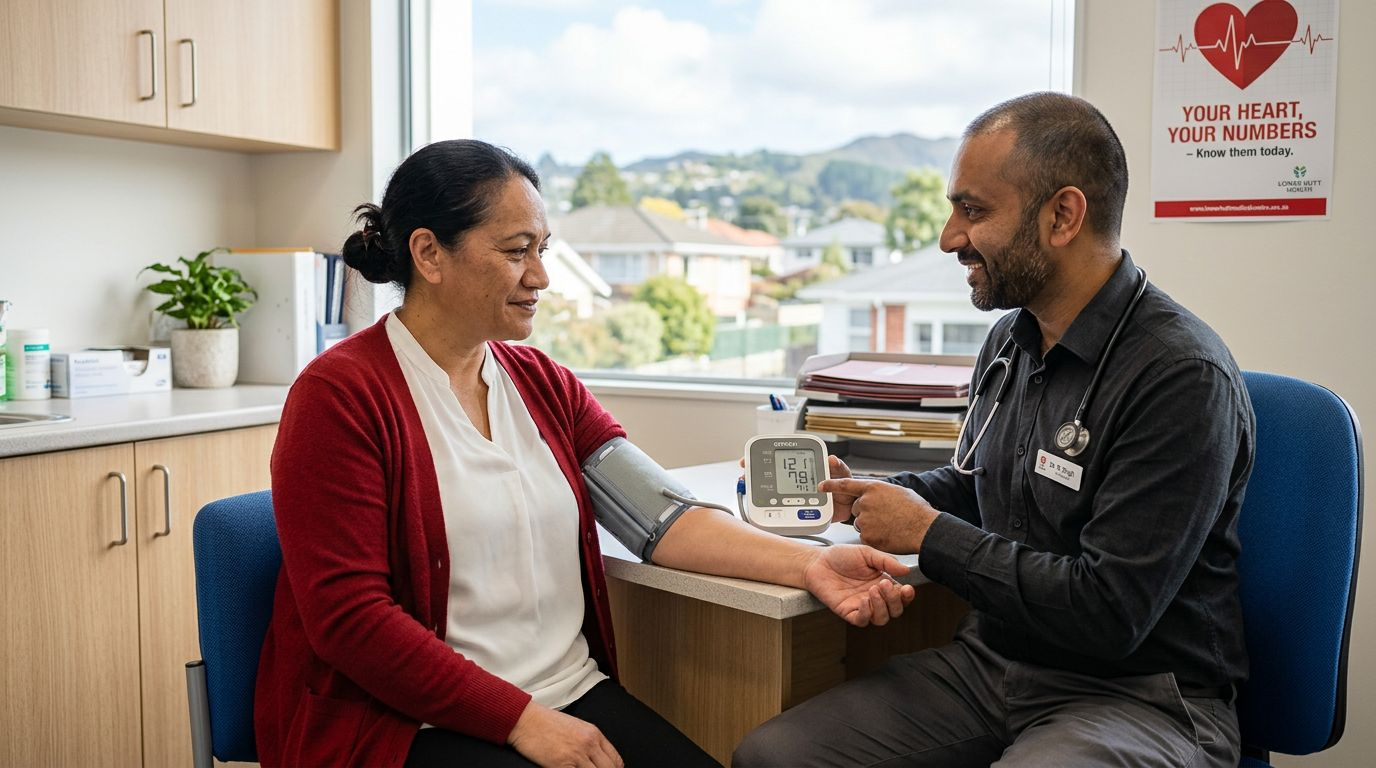
If you are grabbing a flat white in Petone or heading to a law firm in Lower Hutt, your heart is working constantly behind the scenes. High blood pressure often stays hidden until it causes a significant health issue. We believe that knowing your numbers is the first step toward long-term heart health. By monitoring your blood pressure, you take a proactive role in your wellbeing, allowing you and your GP to catch potential problems before they escalate.
Why Monitoring Matters: The Silent Indicator
Hypertension frequently remains asymptomatic, meaning you might feel perfectly fine while your cardiovascular system is under strain. The World Health Organization reports that the number of adults living with hypertension globally has doubled since 1990, reaching approximately 1.3 billion people. Nearly half of these individuals are unaware they even have the condition.
Here in New Zealand, the situation is similar. Data shows that the prevalence of hypertension is nearly 31 percent among adults. While only a small fraction of younger people require medication, those numbers rise sharply as we age. By the time New Zealanders reach 75, over half of men and women are on blood pressure medication. Regular checks allow us to identify these trends early. You can read more about local statistics in our guide to understanding your blood pressure numbers.
Understanding the Numbers: What Do They Mean?
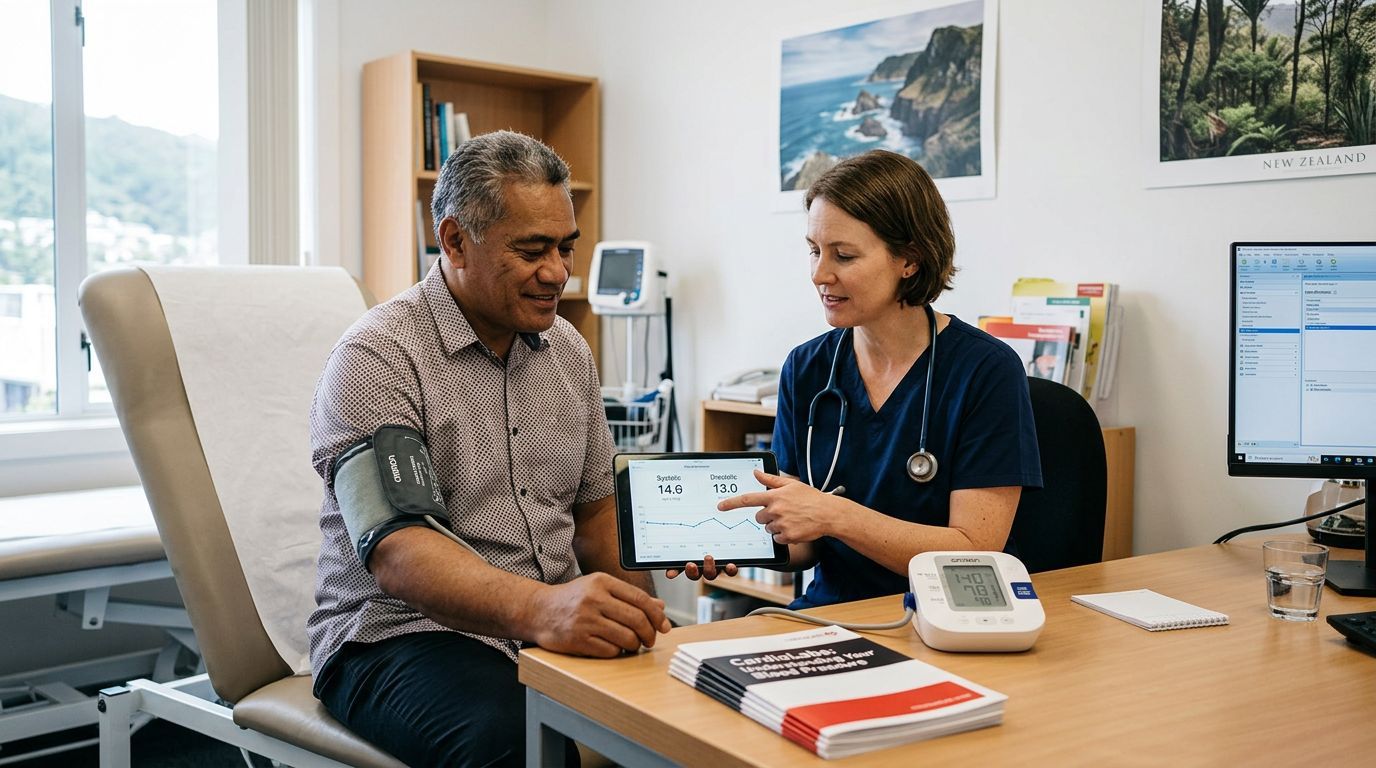
Blood pressure readings consist of two numbers: systolic and diastolic. The systolic pressure, the top number, measures the force when your heart beats. The diastolic pressure, the bottom number, measures the pressure when your heart rests between beats. We express these as "120 over 80."
In New Zealand, the Heart Foundation considers an ideal clinic blood pressure to be 120/80 mmHg or lower. If a reading reaches 160/100 mmHg in a clinic setting, bpacnz guidance suggests that prompt treatment and lifestyle changes are necessary. For those already on medication or at higher risk, GPs often aim for a target below 130/80 mmHg.
Choosing the Right Blood Pressure Monitor
Selecting the correct device is essential for accuracy. We recommend automatic, cuff-style upper-arm monitors for home use. These devices are easier for most people to use correctly compared to manual monitors, which require a stethoscope and specific training.
Upper-arm monitors are the gold standard because they measure pressure at the brachial artery. While wrist monitors are available, they are highly sensitive to body position and often produce less reliable results. Ensure your cuff fits your mid-arm circumference properly, as an incorrect size can alter your reading by up to 20 mmHg. You can find more information on choosing the right equipment in our at-home heart monitoring guide.
How to Measure Your Blood Pressure Correctly at Home
Your technique determines the quality of your data. Follow these steps to ensure your home readings are as accurate as possible:
Preparation is key. Ensure you have avoided caffeine, smoking, and exercise for at least 30 minutes before testing. Use the bathroom beforehand, as a full bladder can artificially raise your pressure. Sit quietly for five minutes before starting the monitor.
Maintain proper posture during the test. Sit in a chair with your back supported and your feet flat on the floor. Keep your legs uncrossed. Place the cuff on your bare upper arm, about 2 cm above the elbow, and support your arm on a table so the cuff sits at heart level. Remain still and silent while the machine operates.
For the most reliable baseline, take two readings at least one minute apart, both morning and evening, for an entire week. Keep a simple log of these numbers to share with your GP or our team.

Moving Beyond Home Checks: The 24-Hour Advantage
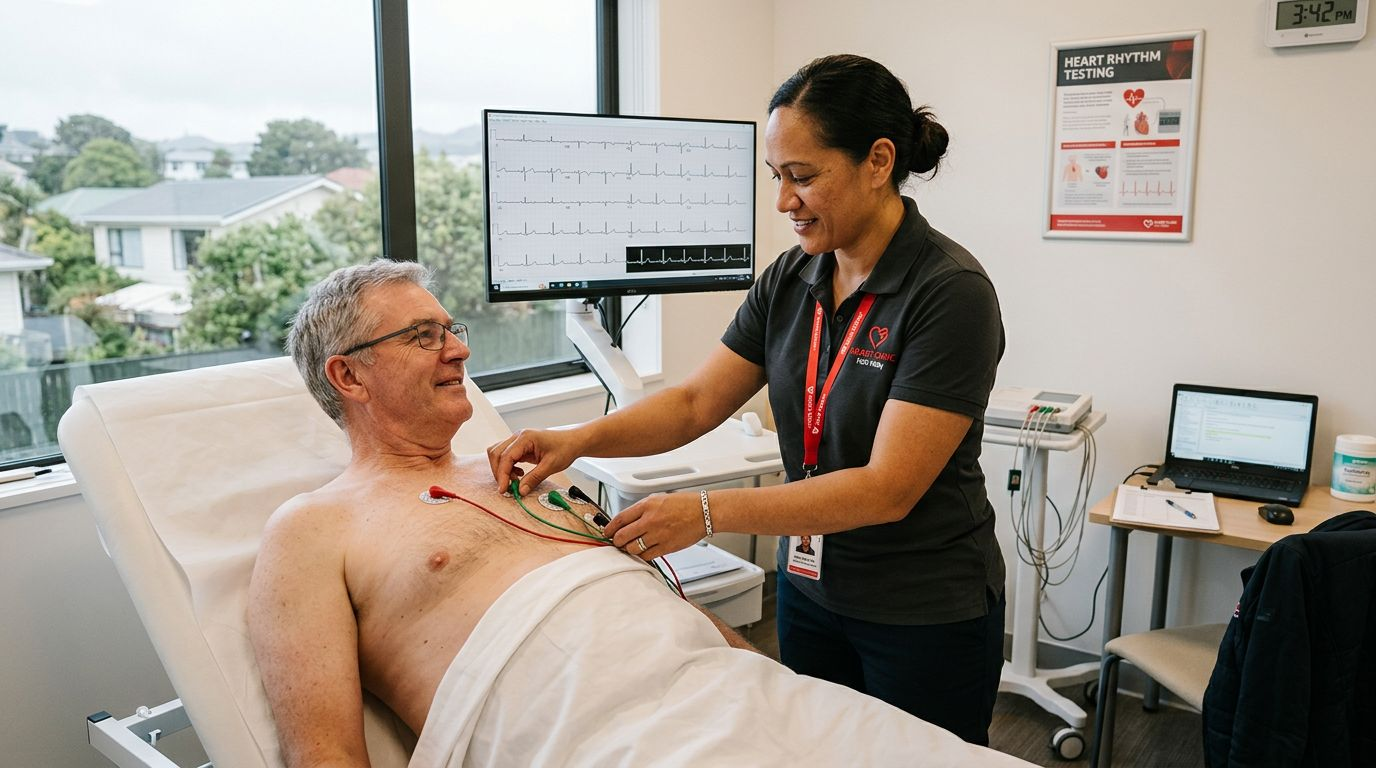
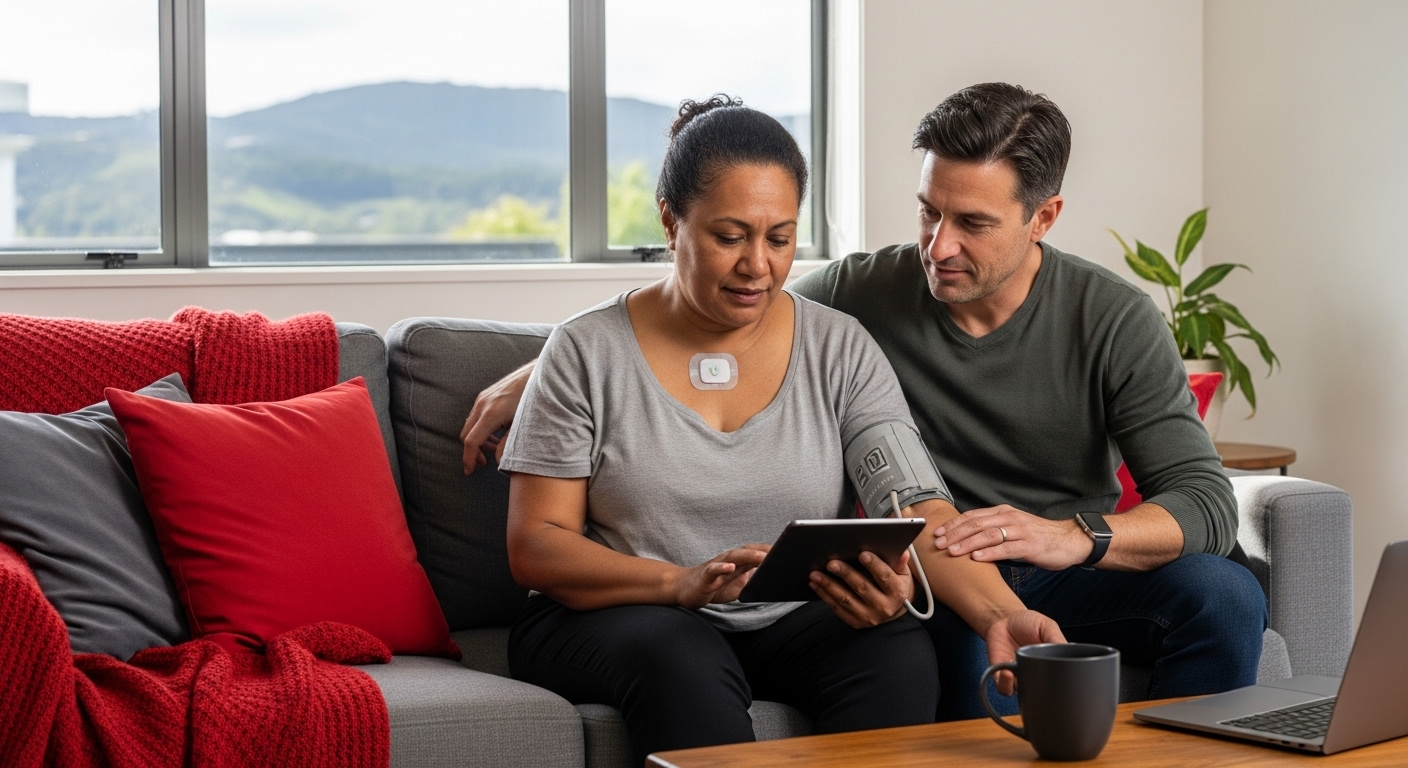
While home monitoring is useful, 24-hour ambulatory blood pressure monitoring (ABPM) provides a much more comprehensive picture. This involves wearing a portable monitor that takes readings every 15 to 30 minutes during the day and every hour at night. This process allows us to see how your blood pressure reacts to the stresses of daily life and, crucially, how it behaves while you sleep.
A healthy heart shows a "nocturnal dip," where blood pressure drops by 10 to 20 percent during sleep. A lack of this dip can indicate a higher risk for stroke or kidney disease. Our 24hr blood pressure monitor service costs $334 and provides a cardiologist-reviewed report to your GP within 48 hours. This level of detail helps your doctor make precise decisions about your care.
Identifying White-Coat and Masked Hypertension
Sometimes, the setting changes the result. White-coat hypertension occurs when your blood pressure spikes in a medical clinic but remains normal at home. This affects up to 30 percent of people and can lead to unnecessary medication if not confirmed by out-of-office monitoring.
Masked hypertension is the opposite: your readings look perfect at the GP clinic, but stay high during your normal day. This condition carries a similar risk to sustained high blood pressure and is often only caught through structured home monitoring or a 24-hour ABPM. Using these tools ensures we are treating the reality of your health, not just a single moment in time.
When to Seek Urgent Medical Advice
Monitoring your own health requires knowing when to ask for help. If you record a reading higher than 180/120 mmHg, wait one minute and test again. If the number remains that high, contact a healthcare professional immediately.
Seek emergency medical services if a high reading is accompanied by chest pain, shortness of breath, numbness, or changes in your vision. These symptoms may indicate a hypertensive crisis. Always consult your GP before making any changes to your prescribed medication based on your home readings.
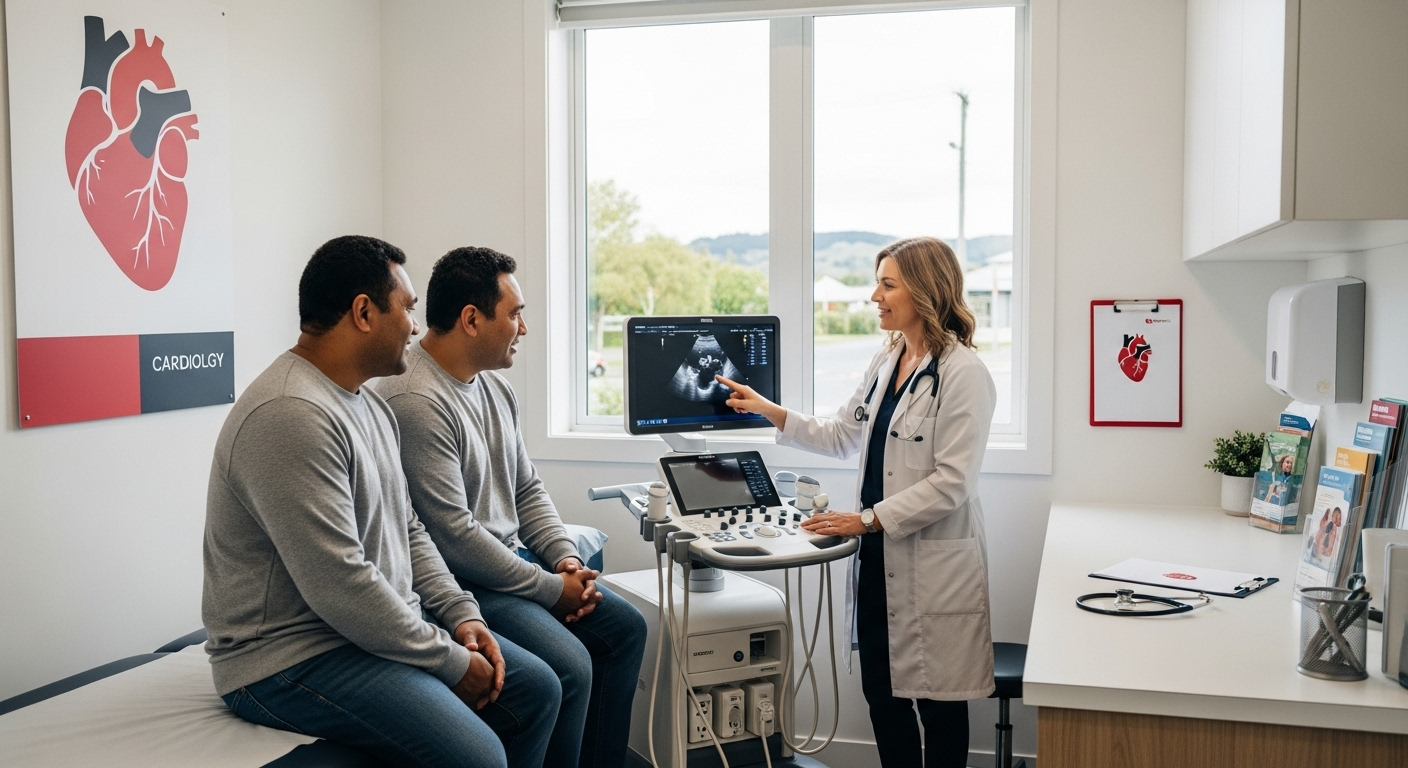
We provide mobile, community-based cardiac diagnostics across the Wellington region, Kapiti Coast, and Wairarapa. Our goal is to offer fast access to hospital-grade tests so you can get the answers you need without the wait. By partnering with your GP, we ensure your heart health is managed with the best possible data.