What Is Angina? Decoding Chest Pain and Its Causes
Understanding Angina Meaning: Recognising Your Heart's Warning Signals
Key Takeaways
- Angina functions as a warning signal that the heart muscle is not receiving enough oxygen-rich blood.
- Stable angina typically occurs during physical activity and lasts between 5 to 10 minutes.
- Unstable angina is a medical emergency that can occur at rest and often lasts longer than 10 minutes.
- Prompt diagnostic testing helps identify underlying coronary artery disease and reduces heart attack risk.
- Community-based clinics provide faster access to cardiologist-reviewed reports compared to public waitlists.
_Medical Disclaimer: The information in this article is for educational purposes only and does not replace professional medical advice, diagnosis, or treatment. Always seek the advice of your GP or another qualified health provider with any questions you may have regarding a medical condition. If you are experiencing a medical emergency, such as severe chest pain, call 111 immediately._

What Does Angina Feel Like?
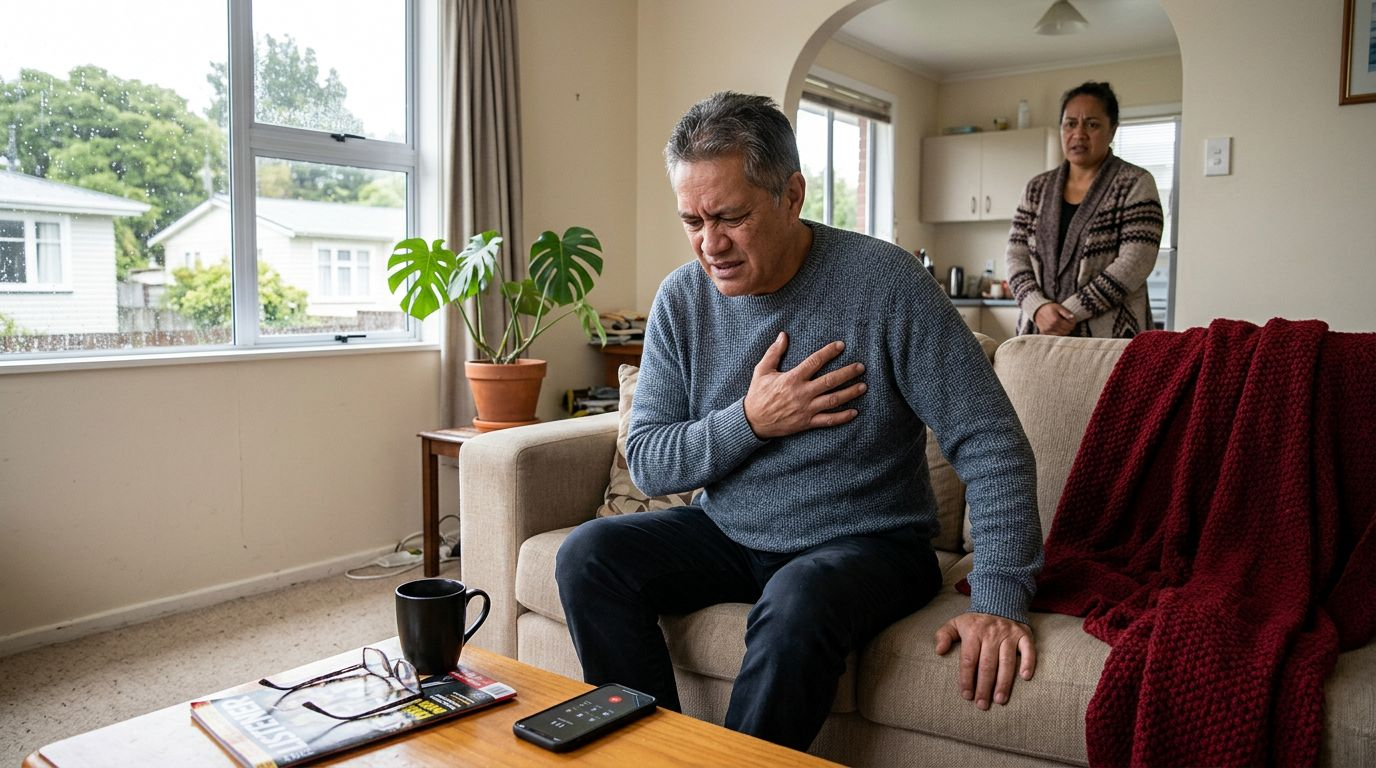
Angina manifests in several ways, and the sensation varies significantly between individuals. Most people describe it as a heavy, tight, or squeezing feeling in the chest. Some compare it to having a heavy weight placed on their sternum. While the chest is the most common site for discomfort, the pain often radiates to other areas including the neck, jaw, shoulders, back, or down the arms. We have seen cases where patients initially thought they were experiencing a simple toothache or a pulled muscle in their back, only to find it was their heart sending a warning signal.
Non-classic symptoms are also common, particularly breathlessness, nausea, or unexplained fatigue. Recognising these signs early is vital because people with angina have a higher risk of heart attack. If you notice a new pattern of discomfort during exertion, it is time to speak with your GP about a referral for diagnostic testing.
Stable vs Unstable Angina: Knowing the Difference
Distinguishing between stable and unstable angina is critical for your safety. Stable angina follows a predictable pattern. It usually occurs when you are active and disappears quickly once you rest or use glyceryl trinitrate, which is a medication used to relax blood vessels, often referred to as GTN. According to Health New Zealand (Te Whatu Ora), stable angina episodes usually last 5 to 10 minutes and are brought on by physical activity.
Unstable angina is far more serious and unpredictable. It can occur while you are resting or even wake you from sleep. This type of pain often lasts longer than 10 minutes and may not be fully relieved by GTN. Global data indicates that among patients presenting with chest pain, 10 to 20 percent are diagnosed with unstable angina. Because unstable angina suggests a sudden worsening of blood flow, it is treated as a medical emergency. If your chest pain changes in frequency, lasts longer than usual, or happens at rest, you must call 111 immediately.
The Impact of Heart Disease in Aotearoa
Heart health is a significant concern for our community. We see the reality of these statistics every day in our mobile and community clinics. Currently, around 195,000 New Zealand adults live with ischaemic heart disease, which includes chronic angina. The stakes are high, as cardiovascular disease causes almost 30 percent of all deaths in New Zealand, accounting for almost 10,000 deaths annually. Every 90 minutes, a New Zealander dies from heart disease.
This is not just a local issue. Ischaemic heart disease remains the leading cause of death worldwide, responsible for approximately 16 percent of all deaths globally. These figures highlight why we advocate for proactive heart checks. Identifying narrowed arteries before they lead to a heart attack is the most effective way to improve long-term outcomes.

How We Assess Angina and Heart Health
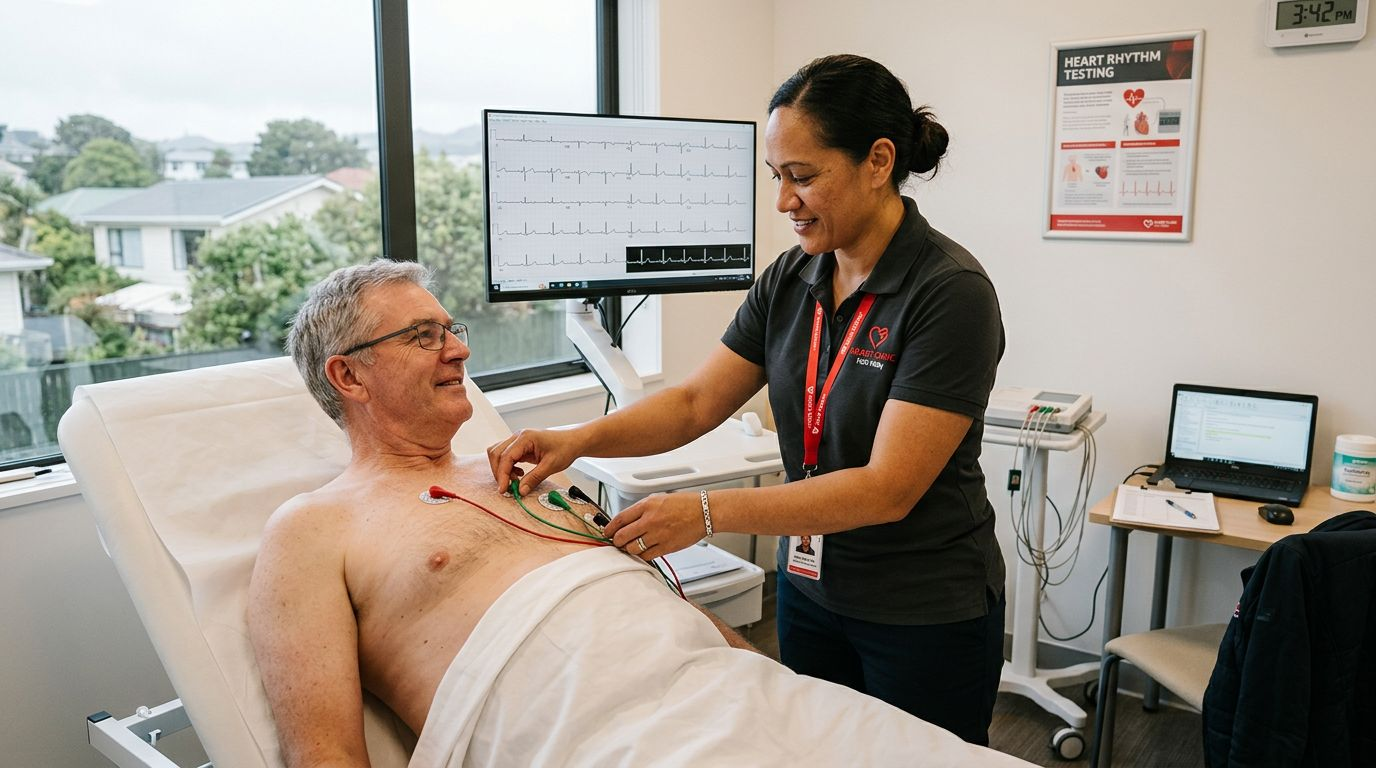
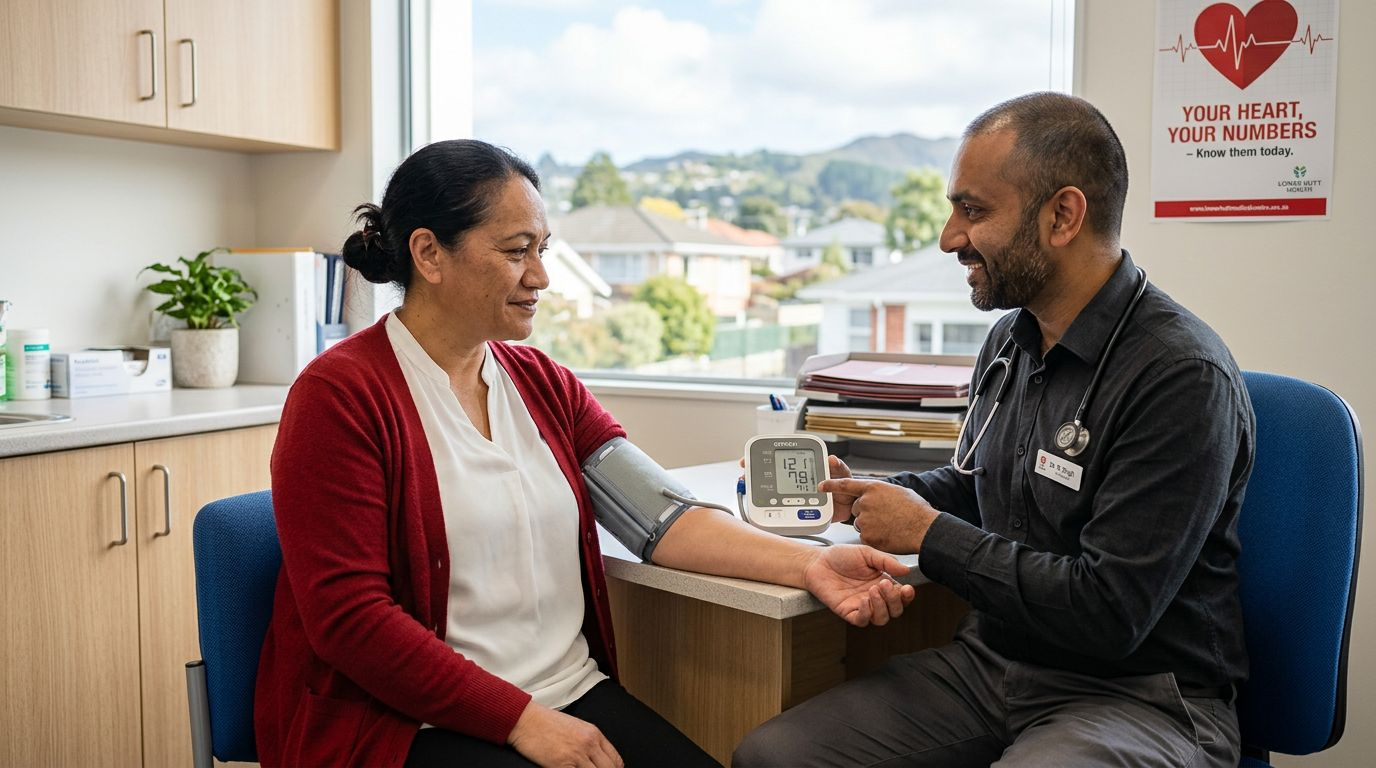
When a GP suspects angina, the first step is often a resting 12-lead ECG, or electrocardiogram. This is a quick, painless, and non-invasive test that records the heart's electrical activity and rhythm over a 10-second period. At CardioLabs, our 12-lead ECG costs $96 and includes a cardiologist-reviewed report and management advice. This test helps us identify rhythm issues or signs of previous heart damage. You can find more details about what to expect on our 12-lead ECG page.
Sometimes a short snapshot is not enough to capture what is happening. If your GP is concerned about irregular heartbeats that accompany your chest pain, they may request a Holter monitor. This device records every heartbeat for 48 hours to 7 days, providing a much deeper look at your heart rhythm during your normal daily activities. You can read how this differs from a standard ECG in our guide to ECG vs Holter monitoring.
Fast Access to Specialist Diagnostics
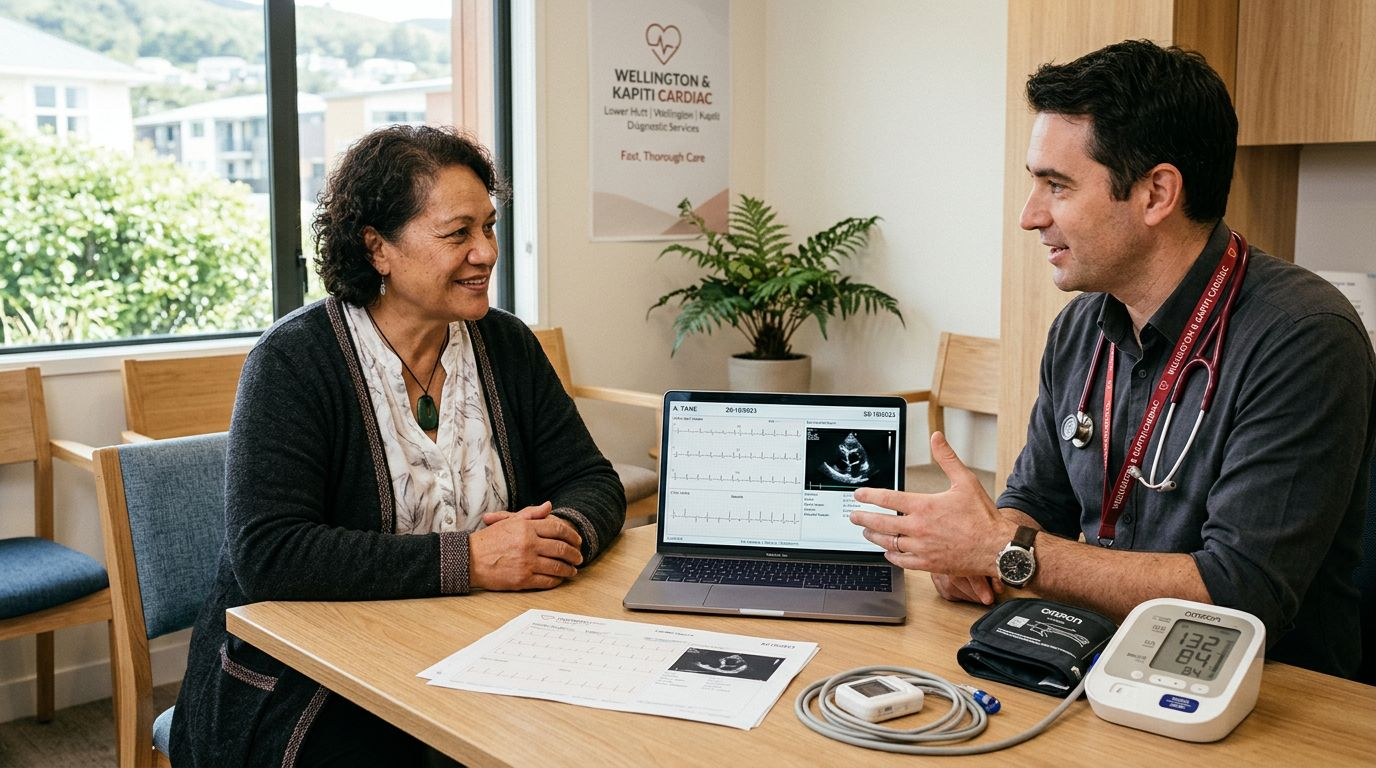
Waiting for heart tests can be an anxious time. We know that public wait times for an echocardiogram, which is an ultrasound of the heart used to check its structure and function, can be up to 10 months in the Wellington region. We provide a faster alternative to ensure you get the answers you need without the long wait. Our reports are typically delivered to your GP within 24 to 48 hours. For more information on navigating these options, see our ultimate guide to fast cardiac diagnostics.
Our current diagnostic fees for community-based testing are transparent and include cardiologist review:
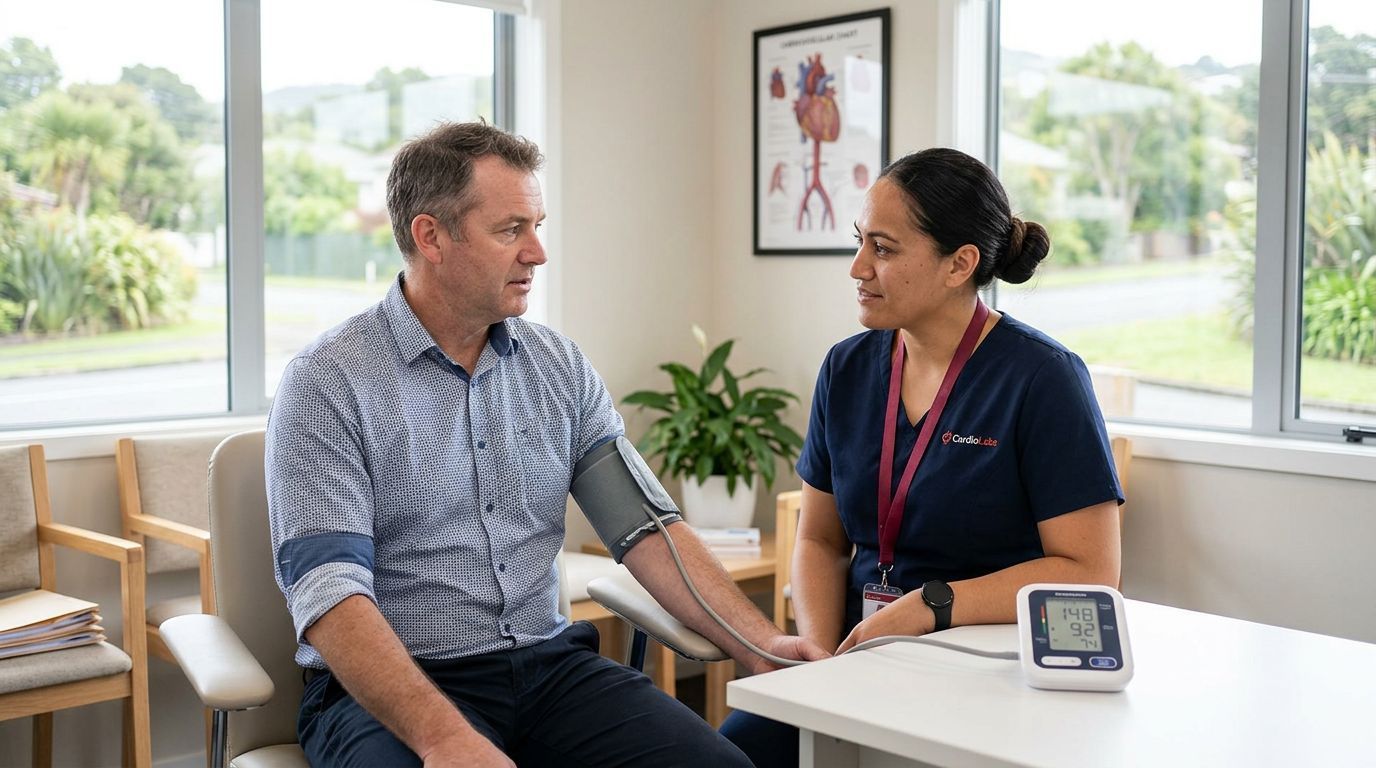
- 12-lead ECG: $96
- 24-hour blood pressure monitor: $334
- 48-hour Holter monitor: $423
- Echocardiogram: $673
Managing Your Heart Health for the Future
A diagnosis of stable angina is a signal to make positive changes rather than a reason for despair. Most people manage their symptoms effectively through a combination of lifestyle adjustments and medication. We recommend focusing on steady improvements, such as increasing daily movement as advised by your doctor, choosing heart-healthy foods, and managing stress levels. Regular monitoring through your GP and specialised diagnostic tests ensures that your management plan stays on track.
We believe that everyone deserves clear, fast, and expert advice when it comes to their heart. Whether you are a business owner in Lower Hutt or a retiree in Kapiti, taking chest pain seriously is the best way to protect your future. If you are concerned about angina or coronary artery issues, your first step should always be a consultation with your GP to discuss the most appropriate testing for your situation.