Understanding Your Blood Pressure Numbers: A Guide to NZ Health Ranges
Understanding Your Blood Pressure Numbers: A Guide to Readings and 24-Hour Monitoring
Key Takeaways
- Ideal clinic blood pressure for most New Zealanders is 120/80 mmHg or lower.
- Blood pressure medication use increases significantly as we age, particularly after age 45.
- A 24-hour ambulatory monitor provides a more accurate assessment than a single clinic reading.
- High-risk individuals should aim for a 24-hour average reading below 125/80 mmHg.
For many adults in Wellington and across New Zealand, blood pressure numbers can feel like abstract data points until a GP or a specialist report flags a result as high or borderline. It is easy to ignore these figures when you feel perfectly fine, yet understanding what they represent is a vital part of managing your long-term heart health. In our experience, clarity around these numbers helps replace anxiety with a practical plan for wellness.
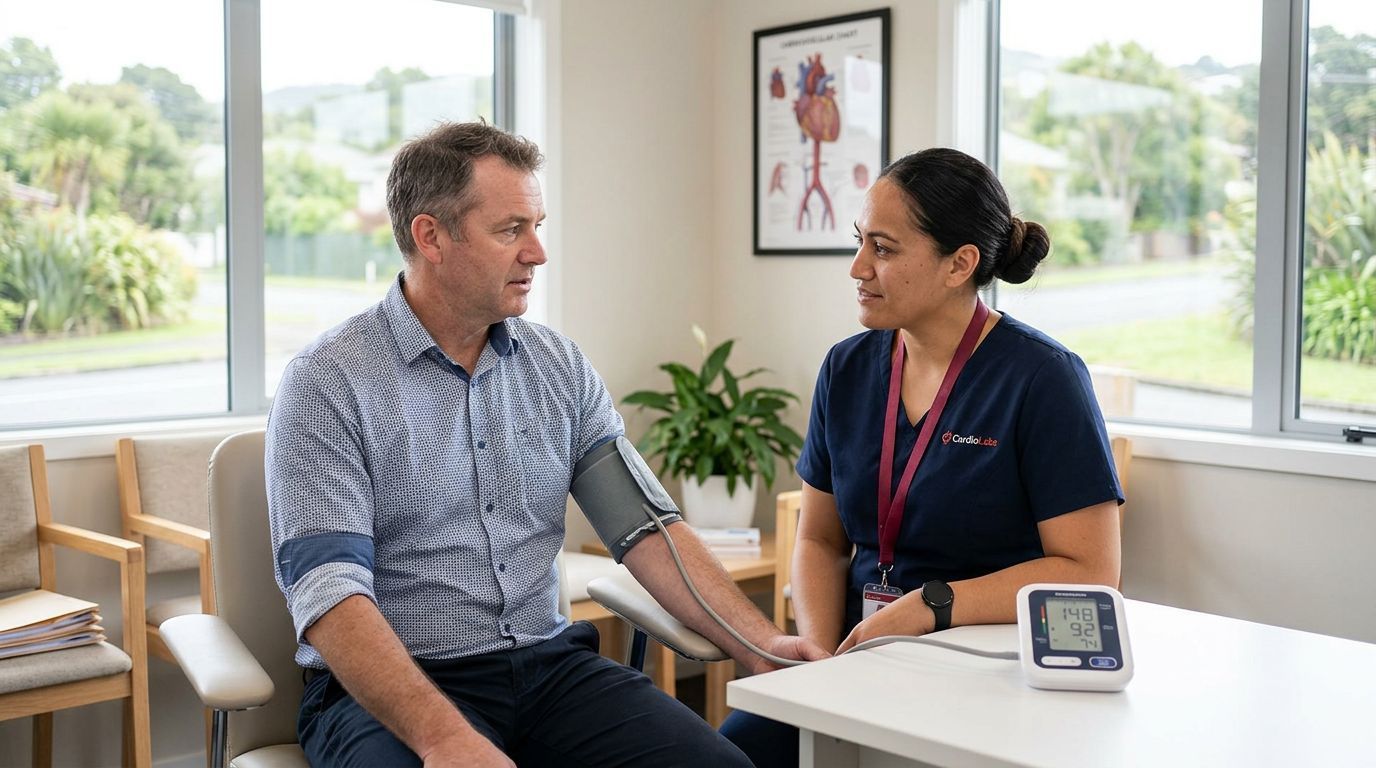
Blood pressure is the force of your blood pushing against the walls of your arteries. We measure this in millimetres of mercury (mmHg). When you see a reading like 120/80 mmHg, you are looking at two distinct pressures. The top number, systolic pressure, records the force when your heart beats and pushes blood out. The bottom number, diastolic pressure, records the force when your heart rests between beats. Both numbers provide essential insights into how hard your cardiovascular system is working.

The New Zealand Context: Why Age and Trends Matter
High blood pressure remains a silent condition that usually lacks obvious symptoms. We frequently see patients surprised by a diagnosis because they assumed they were too young or too fit for it to be an issue. However, the data suggests otherwise. According to the New Zealand Health Survey 2025, the proportion of adults diagnosed with high blood pressure and taking medication rises steeply as we move through life. While only 0.2 to 0.4% of 15 to 24 year olds require medication, those figures jump to 15.9% of men and 11.1% of women aged 45 to 54. By the time we reach 75, over half of New Zealanders (54.1% of men and 53% of women) are on blood pressure medication.
These statistics highlight that monitoring should become a regular habit as we enter middle age. Population-level data also shows that many of us sit right on the edge of healthy limits. Research published in the New Zealand Medical Journal found that the mean systolic blood pressure for NZ adults was 126 mmHg, with a hypertension prevalence of nearly 31%. This means nearly one in three adults lives with high blood pressure, even if they are not yet aware of it.
Defining Normal, Elevated, and High Blood Pressure
The targets for a healthy reading depend on your overall health profile and whether you are already managing a condition. The Heart Foundation notes that for most people, an ideal clinic blood pressure is 120/80 mmHg or lower. If you are already taking medication to manage your levels, your GP will usually set a target of 130/80 mmHg or below.
Updated guidance from bpacnz emphasises that a clinic reading of 160/100 mmHg or higher warrants immediate treatment and lifestyle changes. For those in a high-risk group, such as people with existing heart disease or diabetes, the goal is often a clinic reading below 130/80 mmHg. A common mistake we observe is the belief that a reading like 140/70 mmHg is acceptable because the bottom number is low. In reality, a high systolic (top) number still indicates significant strain on the arteries and requires clinical attention.
Why a Single Reading is Only Half the Story
Relying on a single reading in a doctor’s office provides only a snapshot of your health. Blood pressure is dynamic: it changes when you exercise, when you are stressed, and even when you sleep. This variability is why hypertension is typically defined as persistently high readings on at least three separate occasions over several months. To get the most accurate picture, we recommend looking at how your blood pressure behaves over a full 24-hour period.
Ambulatory blood pressure monitoring is the gold standard for identifying complex patterns that a single clinic visit might miss. We use this test to detect white-coat hypertension, where a patient’s pressure spikes simply because they are in a clinical environment. Conversely, it helps us find masked hypertension, where a patient has normal readings at the GP but high readings during their daily life. A 2025 study of 647 people showed that office readings can overestimate systolic pressure by 6 to 9 mmHg in some individuals, while missing masked hypertension in 13% of cases. You can read more about these patterns in our at-home heart monitoring guide.
The Role of 24-Hour Monitoring at CardioLabs
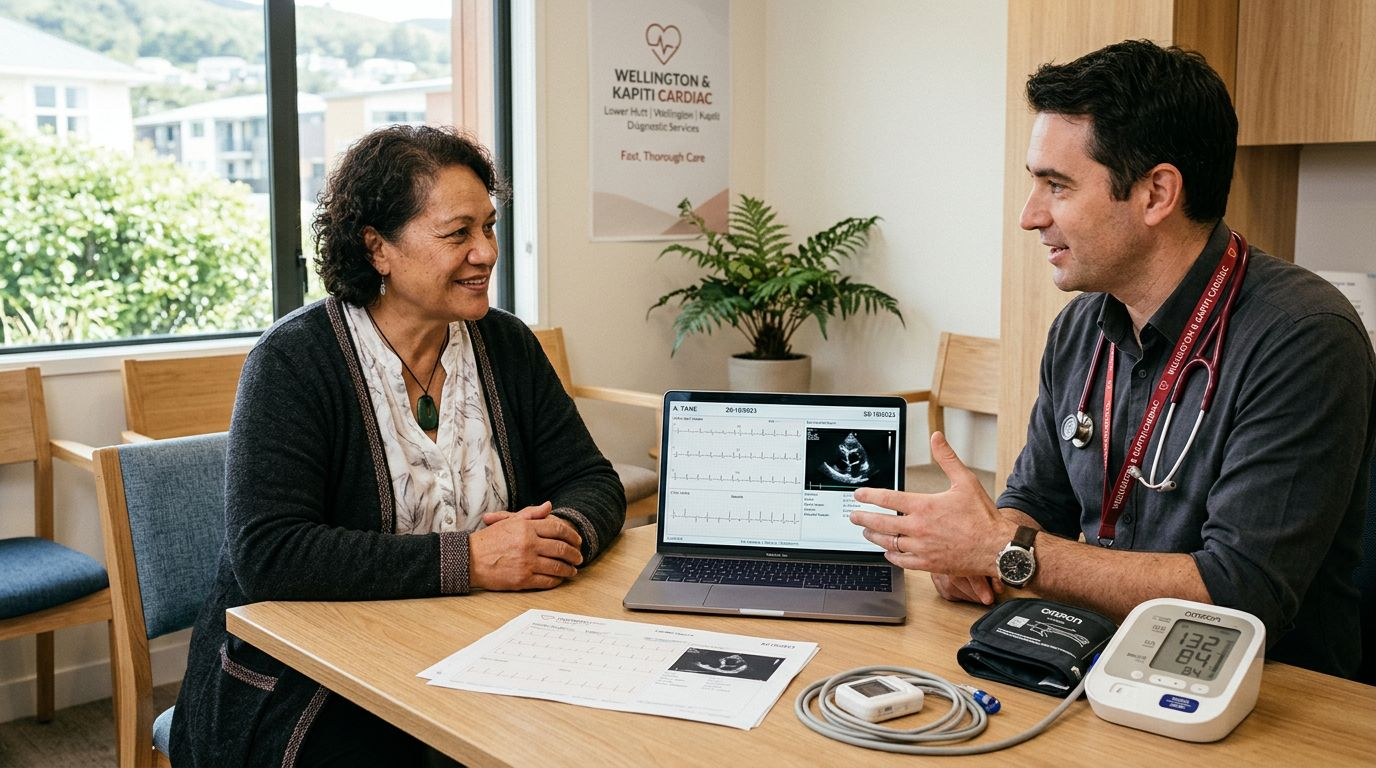
A 24-hour monitor involves wearing a small device that inflates a cuff on your arm every 30 minutes during the day and every hour at night. This allows us to see your nocturnal dipping pattern. A healthy body usually sees a 10 to 20% drop in blood pressure during sleep. If this dip does not occur, it can indicate a higher risk of cardiovascular issues. Our 24-hour blood pressure monitor service costs $334 and includes a comprehensive report reviewed by a cardiologist, along with management advice for your GP.
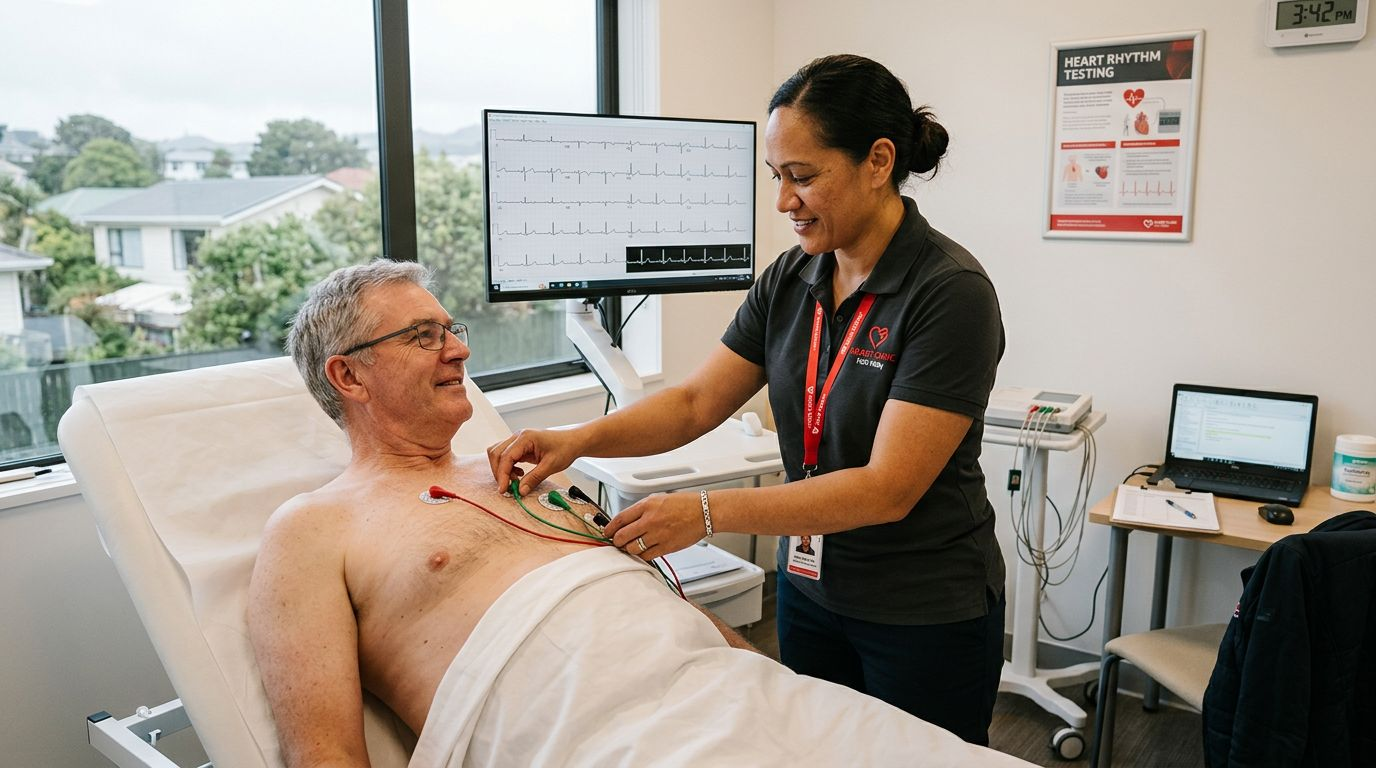
We have designed our process to be as straightforward as possible for our Wellington community. Once the monitoring is complete, we aim to get the cardiologist-reviewed results back to your doctor within 24 to 48 hours. This rapid turnaround helps reduce the period of uncertainty and allows you to start any necessary treatment or lifestyle adjustments sooner. In addition to blood pressure monitoring, we provide a range of diagnostic tests including a 12-lead ECG for $96, a 48-hour Holter monitor for $423, a 7-day Holter monitor for $544, and echocardiograms for $673.

Taking a Proactive Approach to Heart Health
Understanding your numbers is the first step toward a longer, healthier life. Whether your results are currently normal or you have been told they are borderline, staying informed allows you to make better choices about diet, exercise, and medical care. We believe that access to fast, specialist-reviewed diagnostics is essential for effective heart health management. By choosing a proactive approach to heart health, you can address potential issues before they become emergencies. If your GP has suggested monitoring or if you are concerned about your recent readings, we are here to provide the clarity and expert oversight you need to move forward with confidence.