Heart Conditions in New Zealand: A Guide to Symptoms, Risks, and Management
Common Heart Conditions in New Zealand: A Guide to Detection and Care
Key Takeaways
- Cardiovascular disease remains the leading cause of death in New Zealand, accounting for nearly one third of all fatalities.
- Early detection through community based diagnostics significantly improves long term health outcomes and prevents premature events.
- High blood pressure affects at least twenty five percent of the adult population and often requires specialised monitoring.
- CardioLabs offers fast access to cardiologist reviewed heart tests with transparent pricing for Wellington residents.
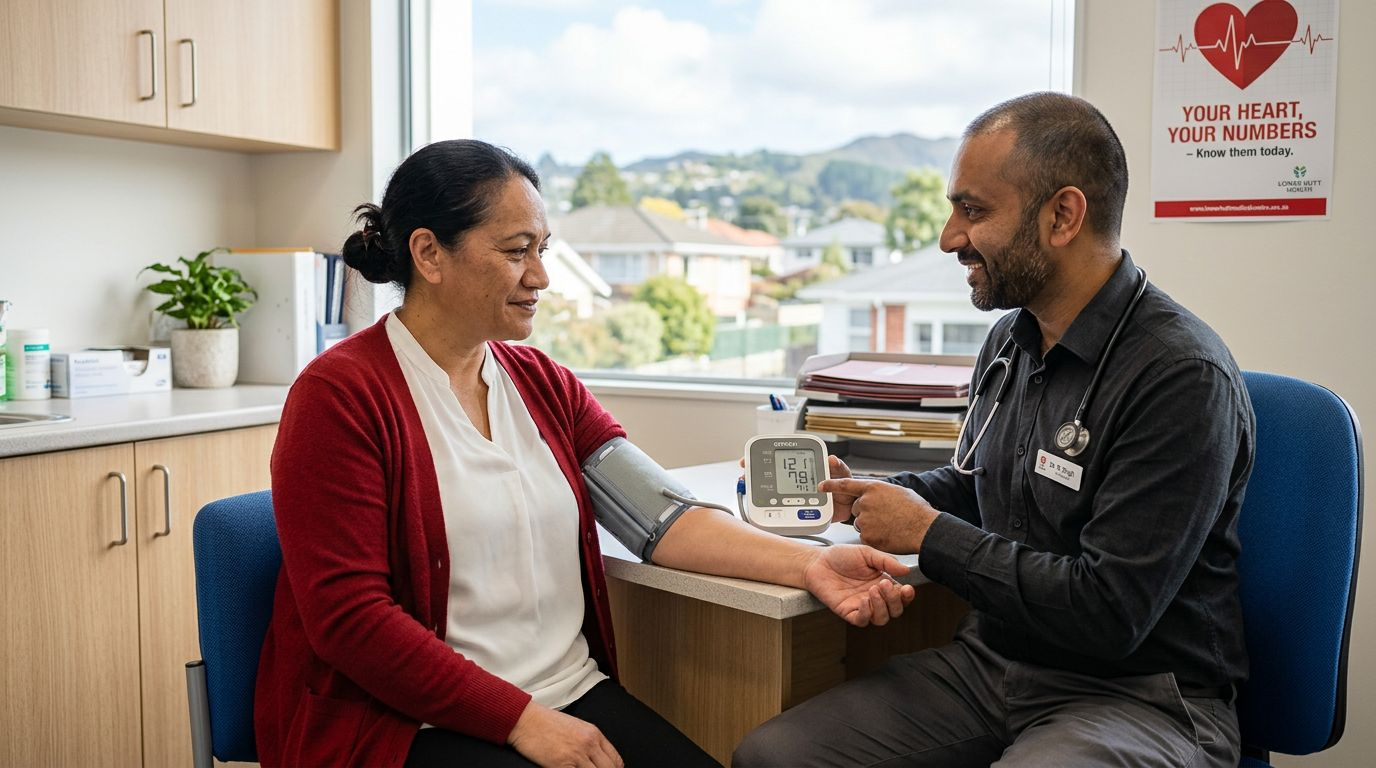
Every 90 minutes, a New Zealander dies from heart disease. This statistic highlights the reality of cardiovascular disease (CVD), which refers to conditions affecting the heart or blood vessels, as our country’s single biggest killer. In our experience, many people feel overwhelmed by these numbers, but early detection and proactive monitoring change the narrative for thousands of families every year. We see cardiovascular disease causing almost 30% of all deaths in New Zealand, making it a priority for every adult to understand their heart health. Whether you are a busy professional in central Wellington or enjoying retirement in the Hutt Valley, staying informed about common heart conditions is a practical step toward a longer, healthier life.
If you want a deeper look at how cardiology services work in Wellington and what to expect from private testing, read our comprehensive guide to cardiology in Wellington. We believe that empowering patients with knowledge is the first step in reducing the impact of heart disease across our communities.
The Silent Burden of Hypertension
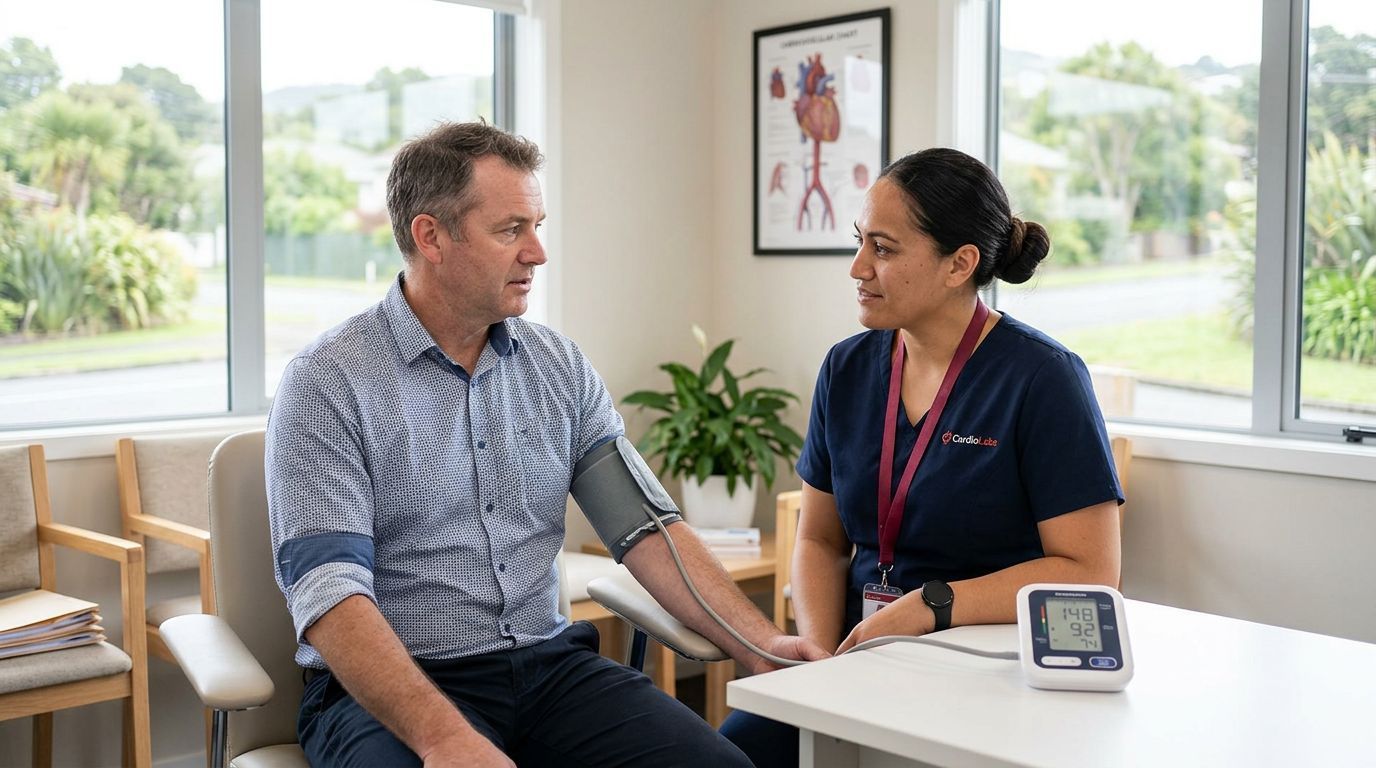
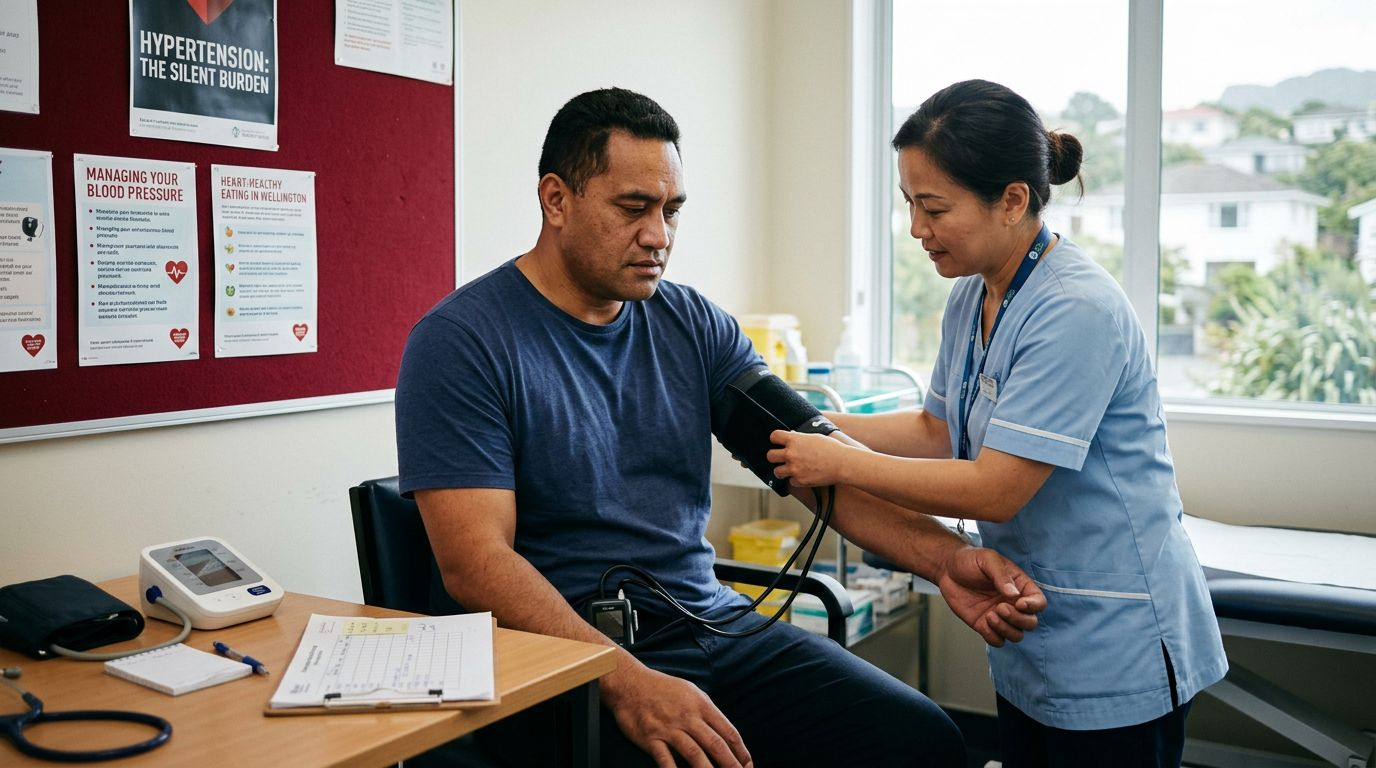
Hypertension, or high blood pressure, is often called a silent killer because it rarely presents obvious symptoms until significant damage has occurred. Recent data shows that at least 25 percent of the population in New Zealand has high blood pressure, making it the greatest modifiable risk factor for heart attacks and strokes. Even more concerning is that among those taking medication, around 50 percent still have blood pressure levels that are too high.
We have observed that blood pressure can fluctuate significantly throughout the day based on stress, activity, and even the presence of a doctor, a phenomenon known as white coat syndrome. This is why we recommend a 24 hour blood pressure monitor to get a true picture of your heart's workload. Granular data from the 2024/25 New Zealand Health Survey indicates that 19.3% of European males and 17.3% of Pacific males were on medication for high blood pressure, showing how widespread this issue is across different ethnic groups.
Coronary Artery Disease and Angina
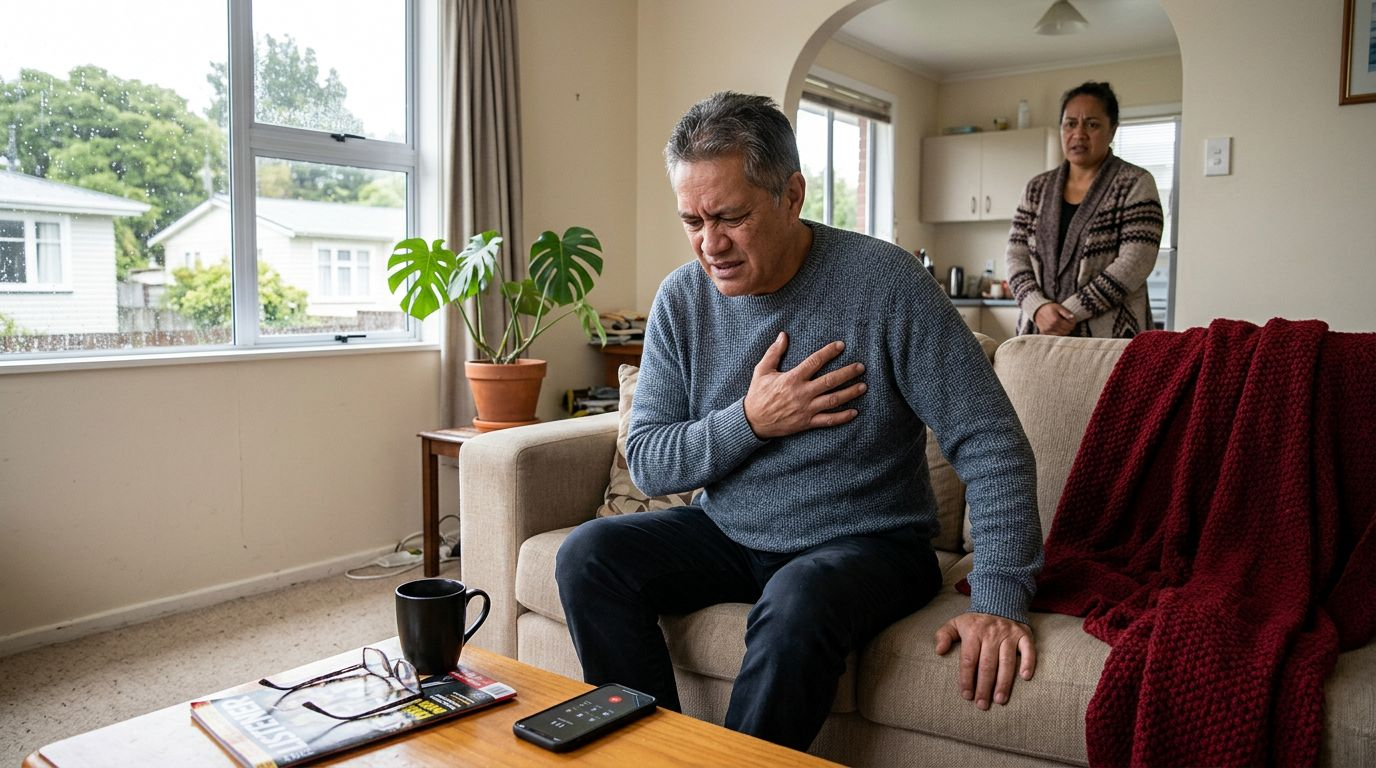
Coronary artery disease occurs when the arteries supplying blood to the heart muscle become narrowed by a build up of fatty deposits. This often leads to angina, which is chest pain or discomfort that typically happens during physical exertion or stress. Currently, around 195,000 New Zealand adults live with ischaemic heart disease, which includes those who have had a prior heart attack or live with chronic angina.
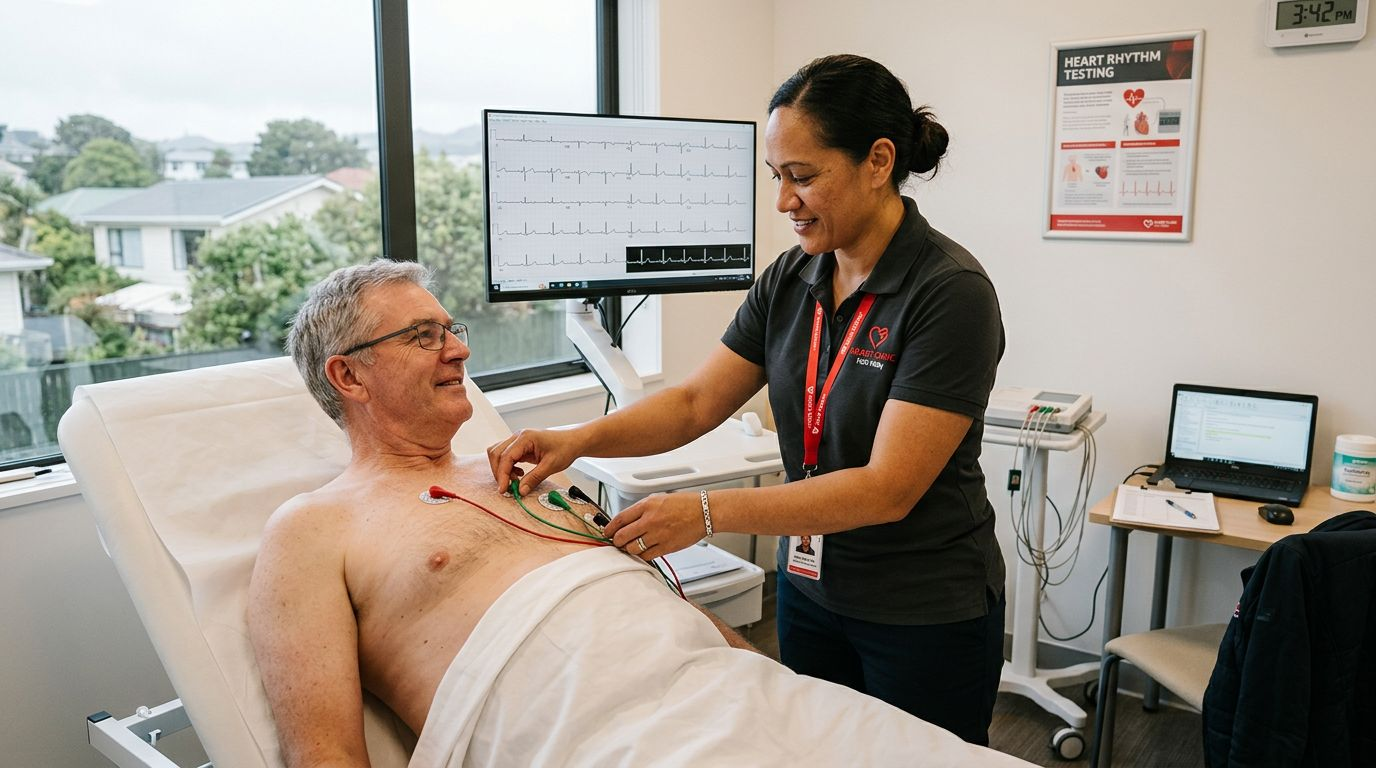
In our experience, patients often describe angina as a heavy or tight sensation in the chest that may radiate to the arms or neck. Recognising these symptoms early is vital. A standard 12 lead ECG, which is a test that records the electrical activity of the heart, is often the first step in identifying issues. You can learn more about how cardiologists diagnose cardiovascular disease and angina in our education hub, where we explain the differences between stable angina and a heart attack.
Managing Heart Arrhythmias and Atrial Fibrillation
An arrhythmia is an irregular heart rhythm. The most common type we see in our Wellington clinics is atrial fibrillation (AF). This condition causes the upper chambers of the heart to beat out of sync with the lower chambers, which can lead to palpitations, dizziness, and a significantly increased risk of stroke. Statistics from the Heart Research Institute show that one New Zealander dies from CVD every 90 minutes, and many of these deaths are related to complications from untreated arrhythmias.
Because arrhythmias can be intermittent, they are often missed during a quick check up. We use Holter monitoring, a portable device worn for 48 hours or longer, to capture these irregular rhythms as they happen during your daily life. For a detailed breakdown of symptoms like breathlessness and fainting, visit our section on cardiac arrhythmias. Early identification of AF allows for treatments that can prevent life altering strokes and heart failure.
Understanding Heart Failure
Heart failure does not mean the heart has stopped working: it means the heart is not pumping blood as efficiently as it should. This condition affects 1 to 3% of the Aotearoa New Zealand population and is a major cause of hospitalisation. Common signs include persistent tiredness, swelling in the ankles, and breathlessness when lying flat.
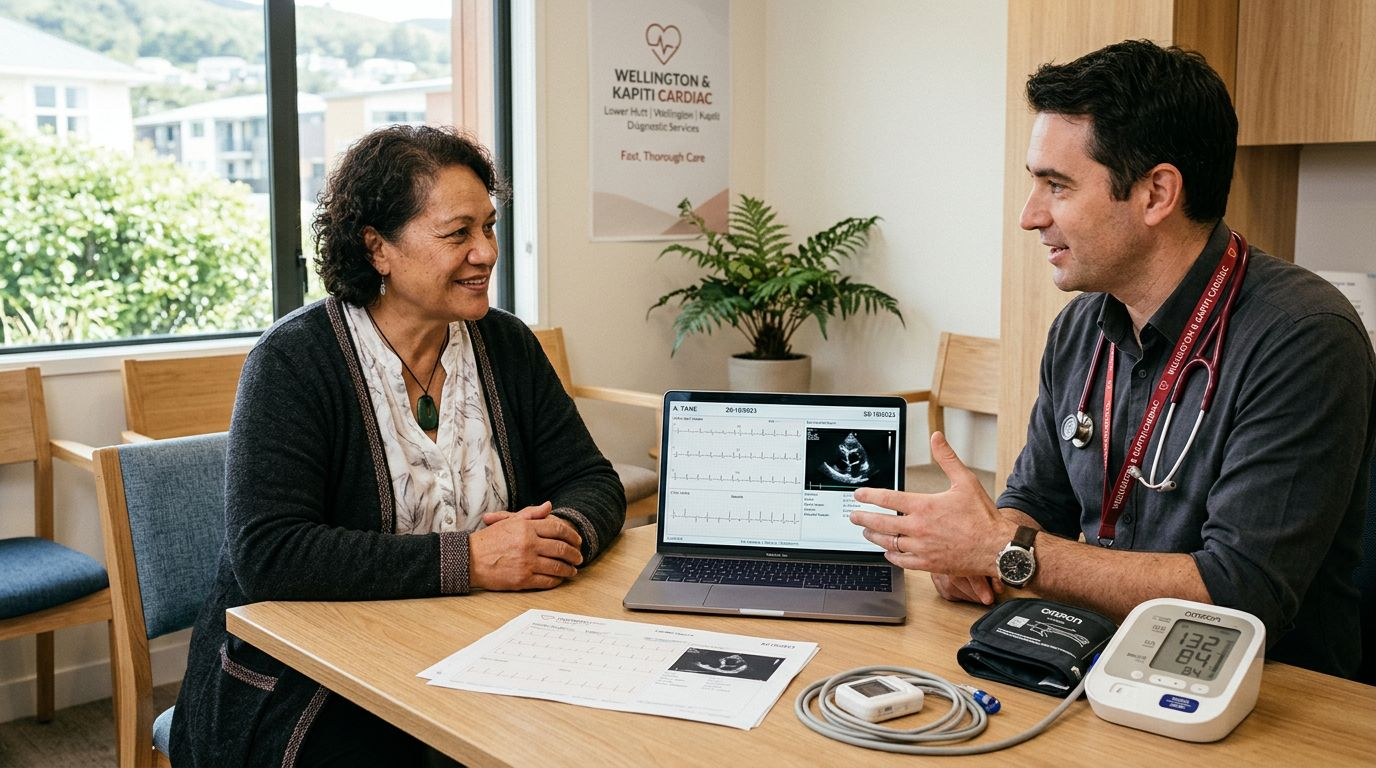
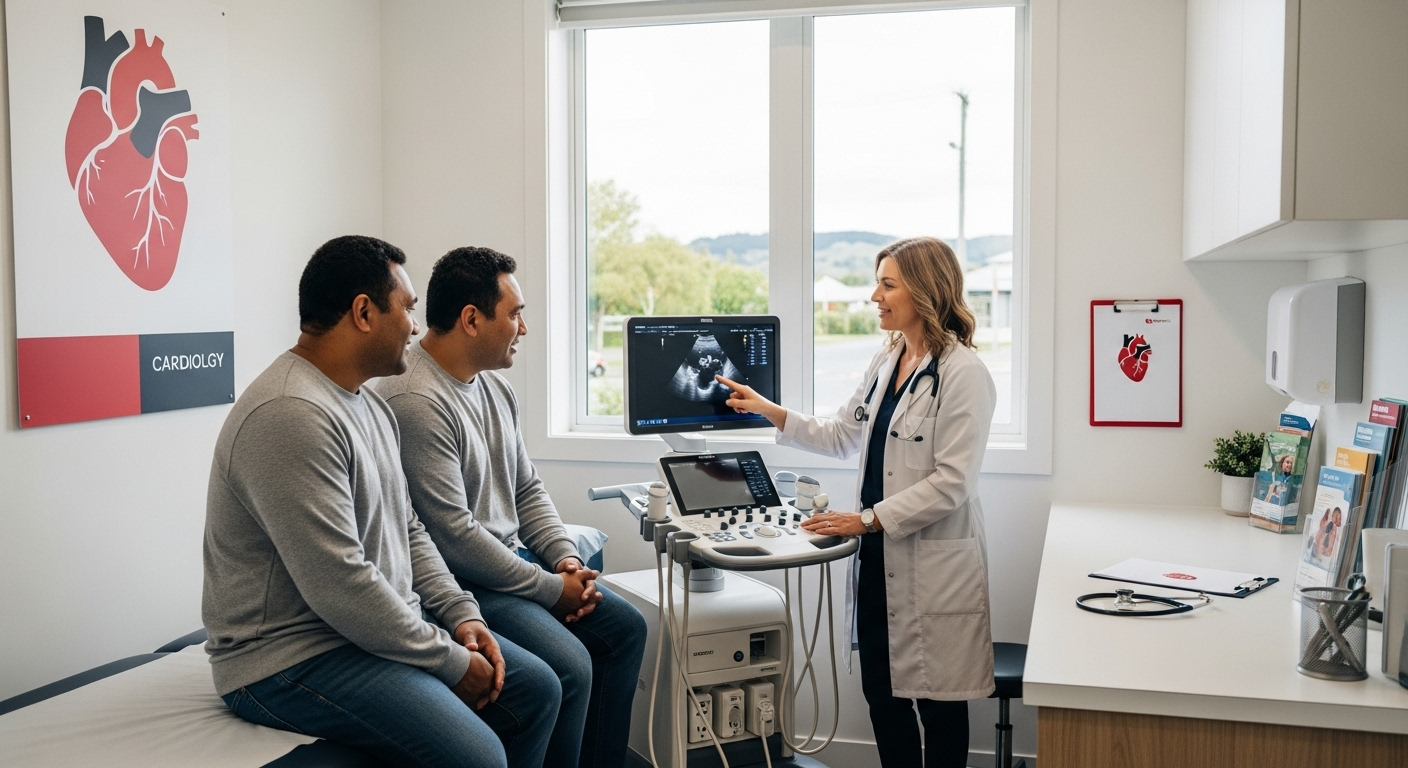
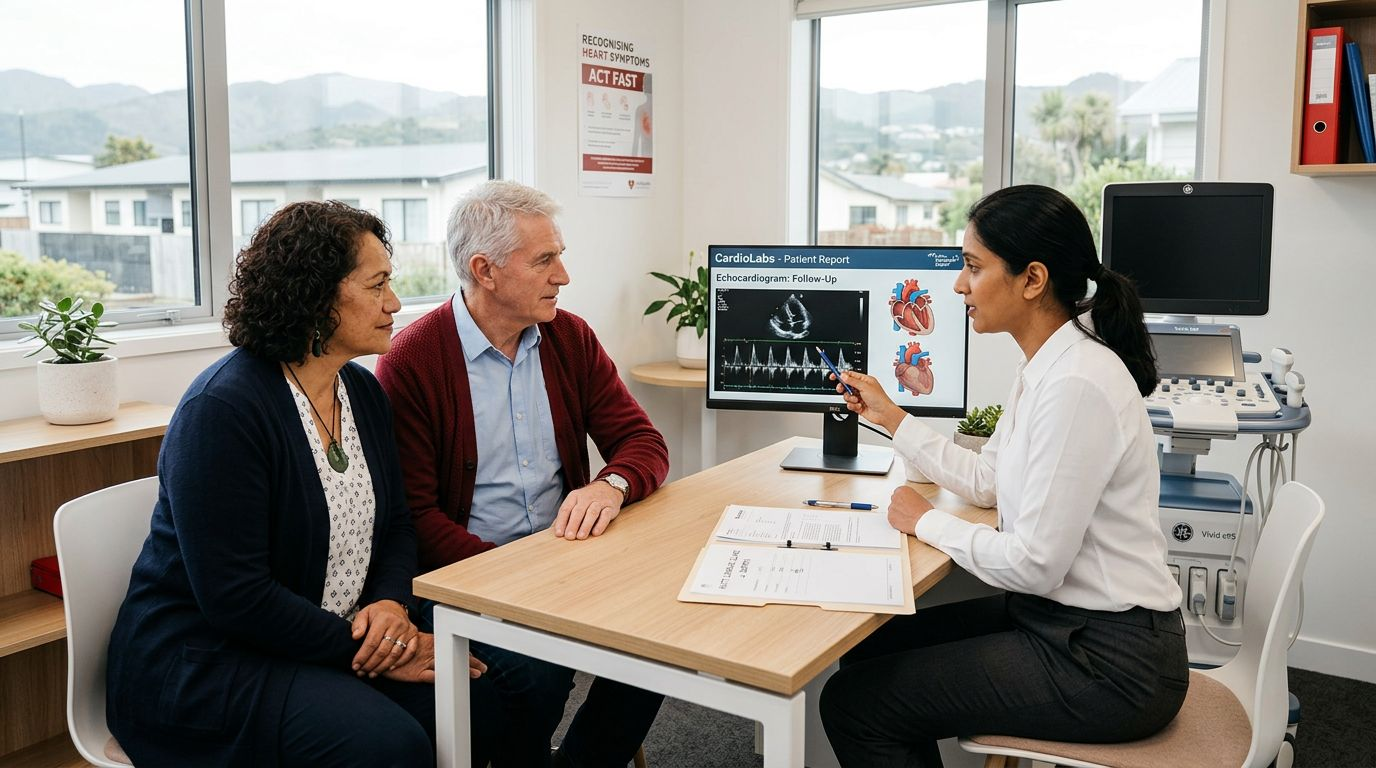
The primary tool for diagnosing heart failure is an echocardiogram, which is an ultrasound of the heart that allows us to see the chambers and valves in motion. We have seen that regular monitoring and the right medication can help many people with heart failure lead active lives. You can find more information on managing heart failure and valve disease through our educational resources. Every echocardiogram performed at CardioLabs is reviewed by a specialist cardiologist, with a report sent to your GP within 48 hours to ensure no time is lost in starting your care.
Diagnostic Options and Transparent Pricing
We believe that accessing heart health checks should be straightforward and free from hidden costs. Our community based clinics across Wellington, Kapiti Coast, and the Hutt Valley provide a range of diagnostic tests to help you and your GP make informed decisions. Making lifestyle changes can prevent up to 80 per cent of premature CVD, but those changes are most effective when guided by accurate data.
Our current fees for cardiac diagnostics include:
- 12 lead ECG: $96
- 24 hour blood pressure monitor: $334
- 48 hour Holter monitor: $423
- Echocardiogram: $673
For more details on our services and how we support Southern Cross Affiliated Provider and NIB claims, please visit our fees and payment page. We accept Eftpos, cash, and credit cards to make the process as easy as possible on the day of your appointment.
A Proactive Approach to Heart Health
Cardiovascular disease remains a significant challenge in Aotearoa, with almost 10,000 deaths annually. However, many of these deaths are avoidable through early detection and better access to care. Our mission at CardioLabs is to provide the Wellington community with the tools they need to stay ahead of heart disease.
If you have been referred for an ultrasound of the heart, you can read our proactive guide to heart health to understand exactly what happens during an appointment. We focus on providing a low stress experience with rapid results, ensuring you spend less time waiting and more time focusing on your recovery. Taking heart health seriously today is the best way to ensure you are there for your family tomorrow.