The Cardiology Referral Process in NZ: A Step-by-Step Guide for Patients
Understanding the Cardiology Referral Process in New Zealand
Key Takeaways
- General Practitioners act as the primary gatekeepers for all specialist cardiology referrals in New Zealand.
- Public health wait times for cardiology assessments frequently exceed the national four-month target.
- Choosing a private diagnostic pathway can reduce the wait for essential tests to less than one week.
- Cardiologist-reviewed results are typically returned to your referring doctor within 24 to 72 hours.
- Medical insurance providers like Southern Cross and NIB often cover community-based cardiac diagnostics.
Navigating heart health concerns can feel overwhelming, but the pathway to clarity is a well-structured journey. In New Zealand, heart disease remains a significant health challenge. Data from the Heart Foundation shows that around 195,000 people are currently living with heart disease, which is more than 1 in 23 adults. Furthermore, almost 30% of all deaths in our country are caused by cardiovascular disease. These figures highlight why a timely referral for a cardiology assessment is a vital step for many Kiwis.
We see a referral as a proactive, positive move. It is the bridge between noticing a symptom and gaining the clinical certainty needed to manage your health. Whether you are experiencing chest pain, palpitations, or unexplained dizziness, the process is designed to ensure you receive the right tests and expert oversight at the right time.

The Role of Your GP as the Gatekeeper
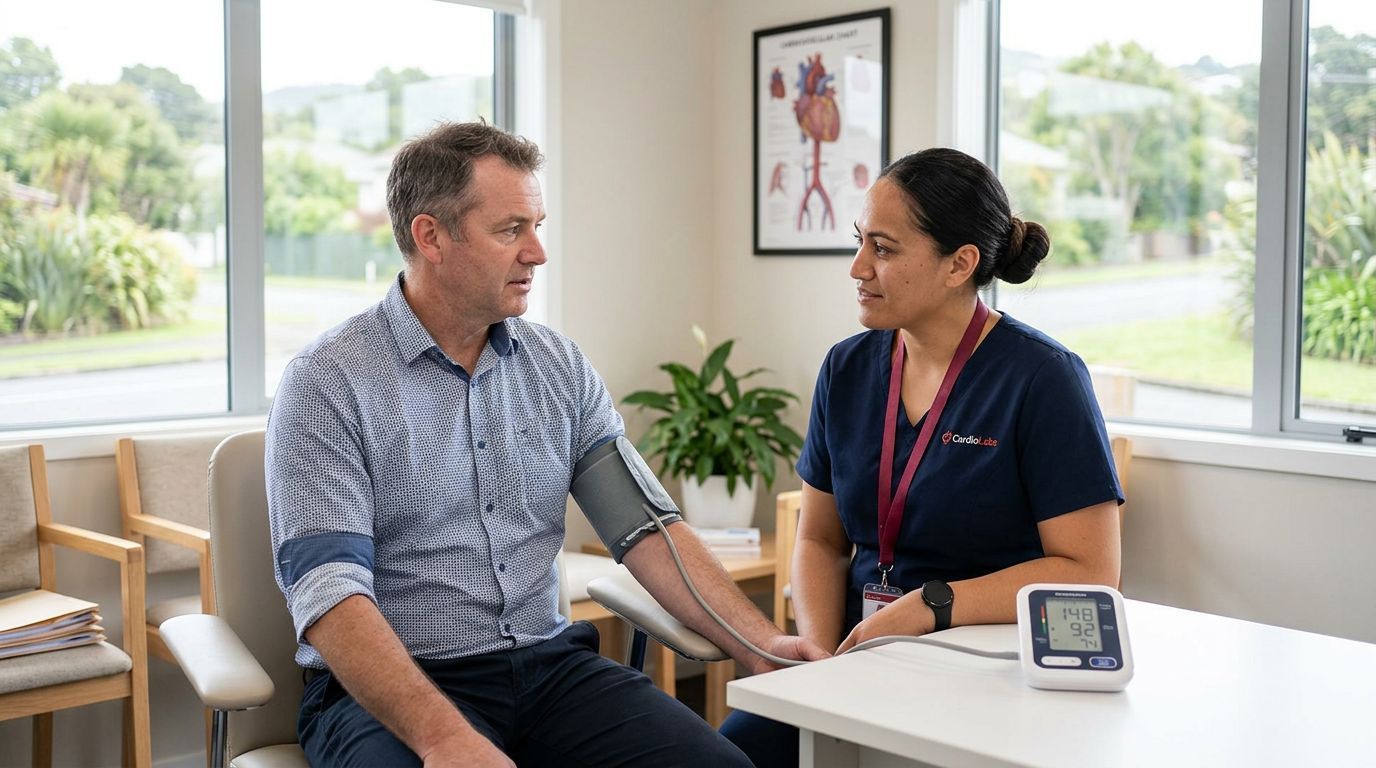
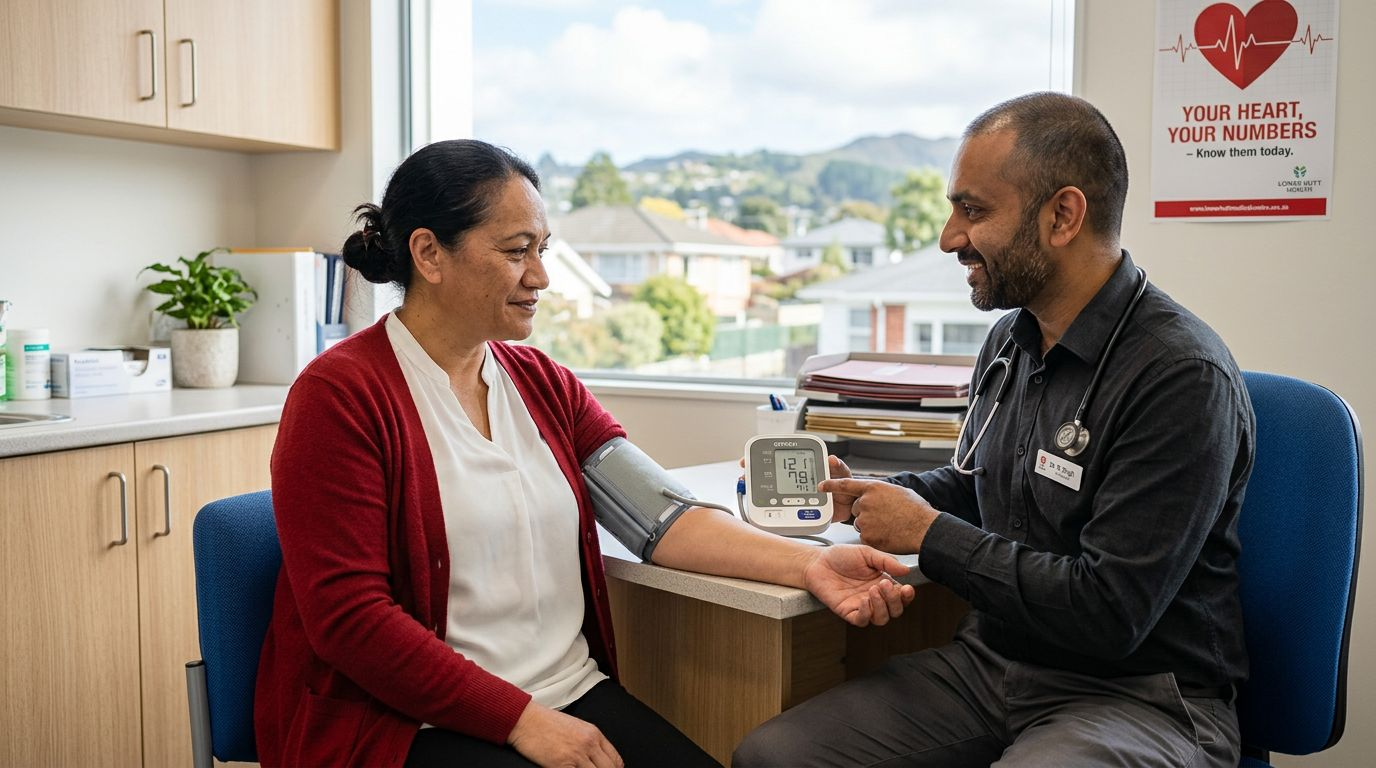
Your General Practitioner (GP) serves as the central hub for your healthcare. In the New Zealand health system, you usually need to visit your GP first to obtain a referral to a specialist. During this initial consultation, your doctor will assess your symptoms, medical history, and risk factors to determine if specialist cardiac input is necessary.
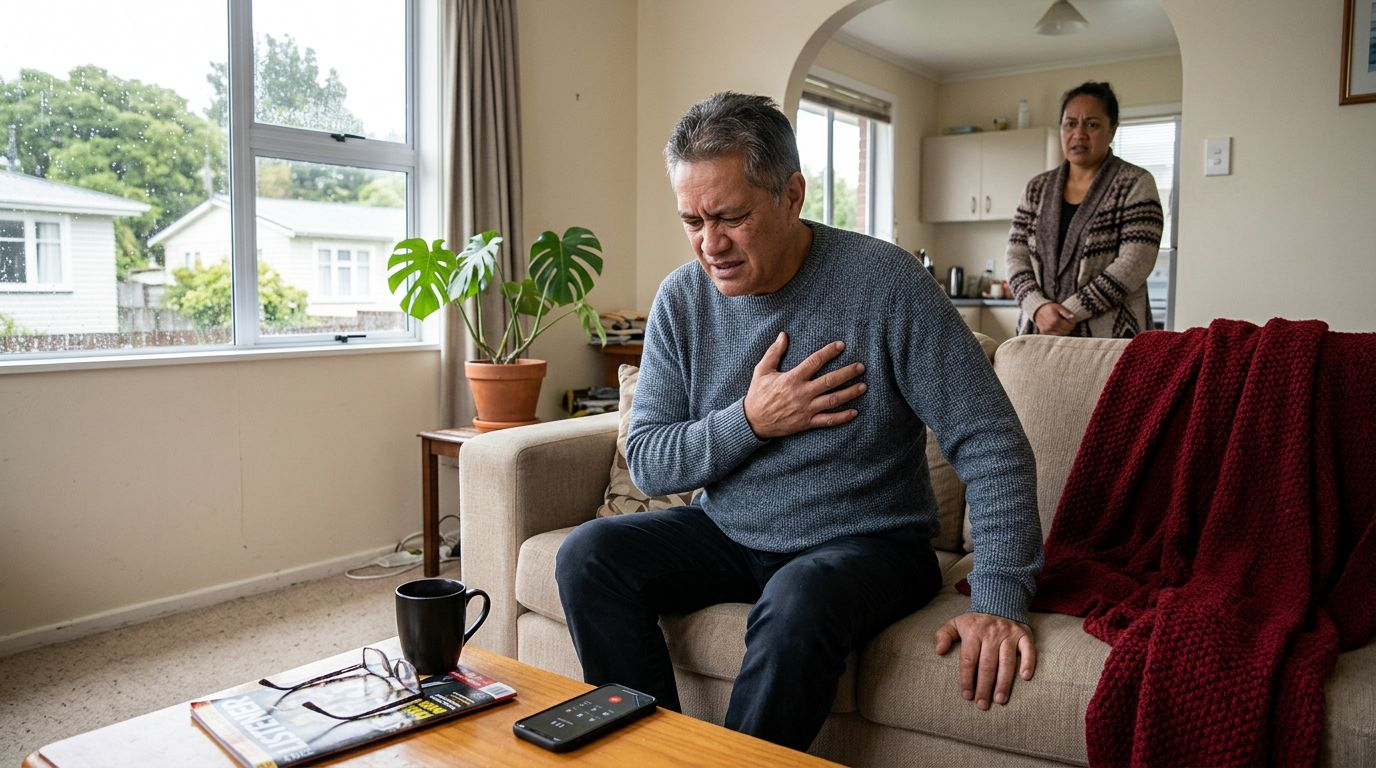
Common reasons for a referral include chest pain that might indicate angina, shortness of breath, heart murmurs, or complex valve disorders. In our experience, many patients in the Wellington region feel uncertain about when to speak up. We encourage anyone noticing changes in their heart rhythm or physical capacity to consult their doctor early. You can read more about the common symptoms that warrant a cardiology referral on our blog.
Public vs Private Referral Pathways
Once your GP decides a referral is necessary, you face a choice between the public and private health systems. In the public system, specialist appointments are government-funded but often involve significant waiting lists. The current target is for patients to receive a First Specialist Assessment (FSA) within four months. However, the reality of the system often differs from this goal.
The public health system faces substantial pressure. As of early 2025, over 74,000 patients were waiting longer than four months for their first specialist assessment across all departments. Specifically, cardiology had 2,712 patients waiting beyond the four-month target according to data from February 2025. While you wait for a public appointment, you remain under the care of your GP, who manages your symptoms as best as possible.
Private care offers a faster alternative for those who need answers quickly. By choosing a private diagnostic clinic, you bypass the long public queues. At CardioLabs, we typically schedule appointments within a week of receiving a referral. This speed provides immediate relief from the anxiety of waiting and allows for faster treatment decisions. For a deeper look at these differences, you can explore our guide on navigating specialist cardiac care in Wellington.
What Information is Included in a Referral?
A referral letter is a clinical handover document. It provides the specialist or diagnostic team with the context they need to perform the correct tests and interpret the results accurately. When your GP refers you to us, they include specific details to ensure your safety and the precision of the report.
The referral typically includes the specific test required, such as an ECG or an echocardiogram, along with the clinical reason for the request. It also contains your medical history, current medications, and full contact details. We also ask for insurance information, such as Southern Cross membership status, to streamline the billing process. Doctors can find our full referral instructions and clinical requirements on our dedicated healthcare professional page.
Accessing Cardiac Diagnostics at CardioLabs
We operate a community-based model that brings high-tech diagnostics closer to where you live. Once your GP sends a referral via HealthLink, SR eRefer, or email, our team contacts you directly to book an appointment. We offer services across multiple locations, including the Kapiti Coast, Hutt Valley, Palmerston North, and Wairarapa. We even provide mobile outreach options for those who cannot easily travel to a clinic.
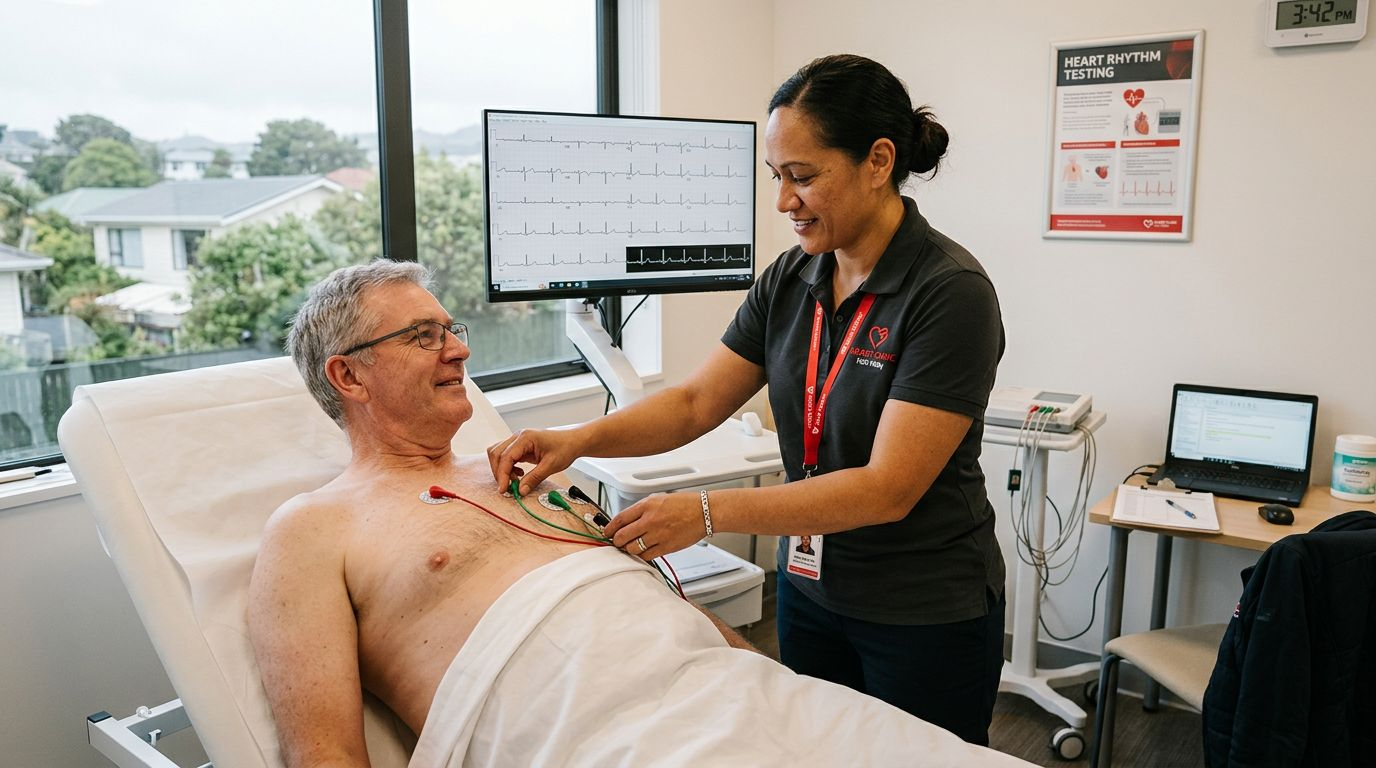
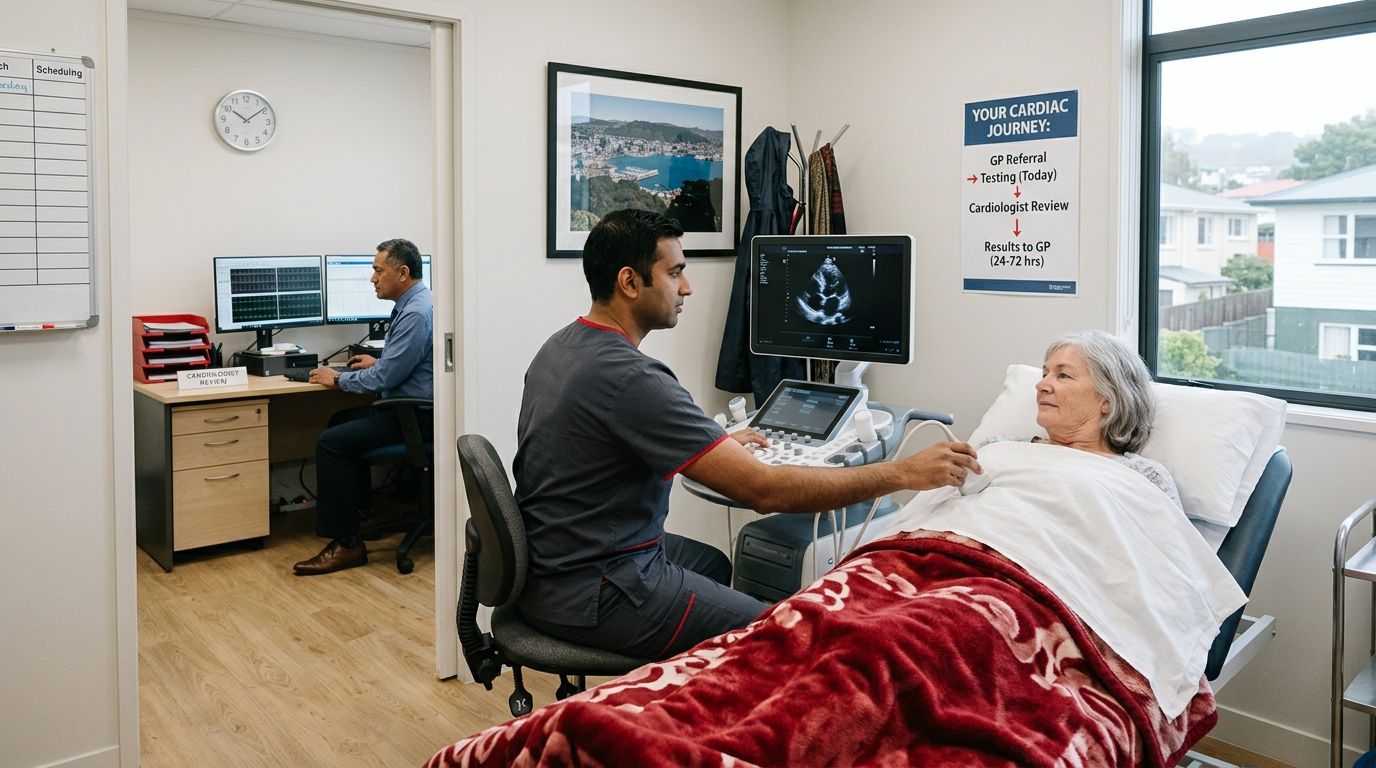
Our process is designed to be straightforward and non-invasive. You will meet our technical team who perform the tests, but please note that we do not provide results or medical advice on the day of the appointment. Instead, the raw data from your test is analysed and then reviewed by a cardiologist. This expert review ensures that the report your GP receives is comprehensive and includes clear recommendations for any further steps.
Understanding the Costs of Private Testing
Transparency in pricing helps patients make informed decisions about their healthcare. Private specialist appointments and diagnostic tests are not government-funded, meaning they must be paid for by the patient or their insurer. We maintain a clear fee structure to avoid any surprises on the day of your visit.
Currently, an Echocardiogram is $673 and a 48hr Holter monitor is $423. A standard ECG is $96, while a 24hr Blood Pressure monitor is $334. We prefer payment via EFTPOS on the day of the service. If you have private health insurance, we support direct claims and pre-approvals for Southern Cross and NIB members. You can view our most current fees and payment policies for more detail.
What Happens After Your Appointment?
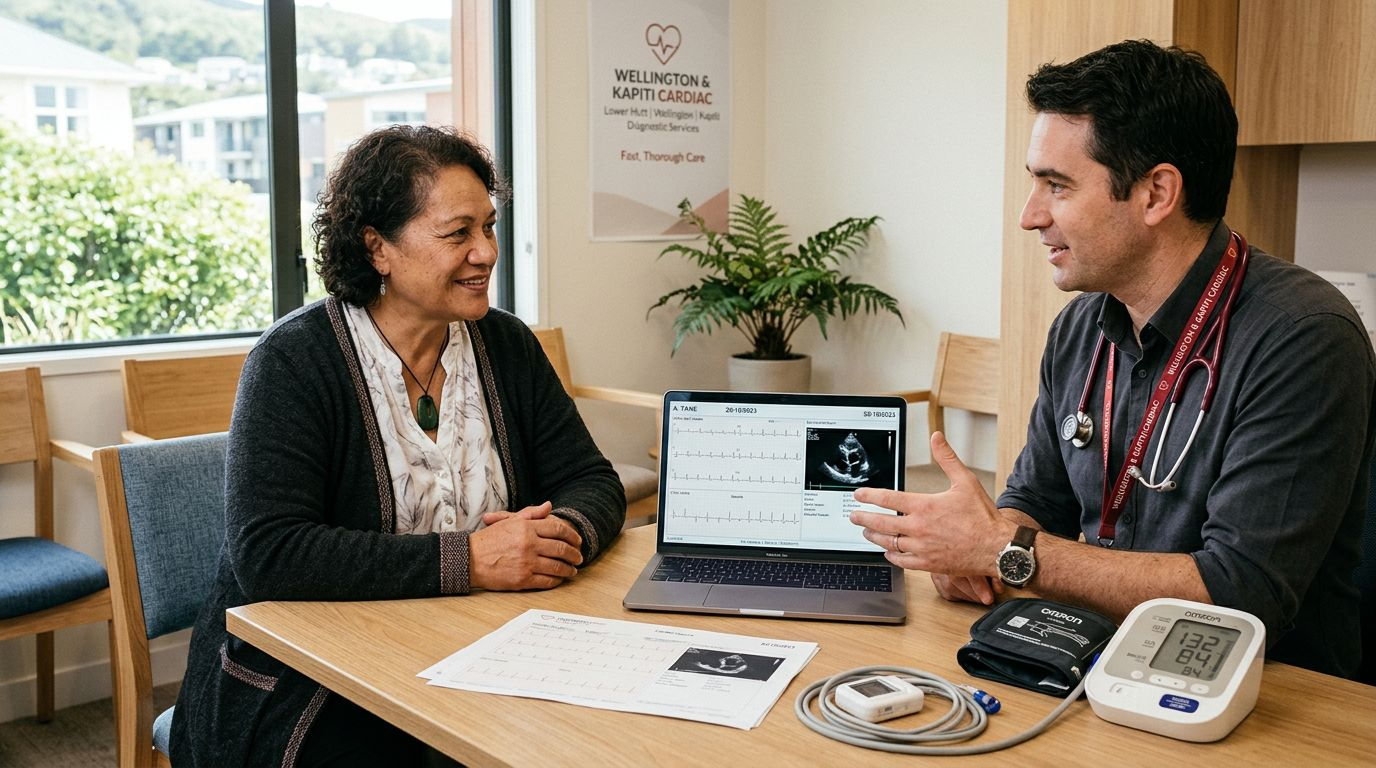
The final step in the referral journey is the delivery of results back to your GP. We understand that waiting for results can be a stressful time, so we prioritise a fast turnaround. Our goal is to get the cardiologist-reviewed report to your doctor within 24 to 72 hours of the test being completed.
In many cases, echocardiogram reports are sent back within 24 hours. For Holter monitors, we aim for a 48-hour turnaround once the equipment is returned to us. Your GP will then review the findings with you and discuss the next steps in your care plan. For more information on what to expect during and after your visit, please refer to our patient frequently asked questions.
Choosing to pursue a cardiology referral is a significant step toward long-term wellness. By understanding the process and the options available in Wellington and the surrounding regions, you can take control of your heart health with confidence and clarity.
Disclaimer: The information provided in this article is for educational purposes only and does not constitute medical advice. Always seek the advice of your GP or another qualified health provider with any questions you may have regarding a medical condition or the interpretation of test results.