Heart Attack Symptoms in NZ: Key Warning Signs for Men and Women
Heart Attack Symptoms and Warning Signs
Key Takeaways
- Recognising the early warning signs of a heart attack can significantly improve survival rates and long term outcomes.
- Chest pain or discomfort remains the most common symptom, but it often presents as pressure, tightness, or a squeezing sensation.
- Women frequently experience more subtle symptoms such as extreme fatigue, nausea, or jaw and back pain.
- A heart attack is a medical emergency that requires an immediate call to 111 for an ambulance.
- Accessing rapid diagnostic testing after the initial emergency helps in managing heart health and preventing future events.
_Disclaimer: This article provides general information and is not a substitute for professional medical advice, diagnosis, or treatment. Always seek the advice of your doctor or other qualified health providers with any questions you may have regarding a medical condition. In an emergency, call 111 immediately._
In New Zealand, heart health is a topic that hits close to home for many of us. The statistics are sobering: around 12,000 people are hospitalised for a heart attack yearly, which means approximately every 45 minutes someone in New Zealand is admitted to hospital with a heart attack. These figures, provided by the Heart Foundation NZ, highlight the urgency of understanding what a heart attack actually looks like in real time. We often think of a heart attack as a sudden, dramatic collapse, but the reality is frequently more gradual and harder to spot.
A heart attack occurs when the flow of blood to your heart muscle becomes blocked. This usually happens because of a buildup of plaque in a coronary artery, the vessel responsible for delivering oxygen-rich blood to the heart. When the heart muscle is deprived of oxygen, it begins to suffer damage. In our experience at CardioLabs, the faster a person recognises that something is wrong and seeks help, the better their chances of a full recovery. Understanding the different ways these symptoms present is the first step in protecting yourself and your family.
Recognising the Common Heart Attack Symptoms
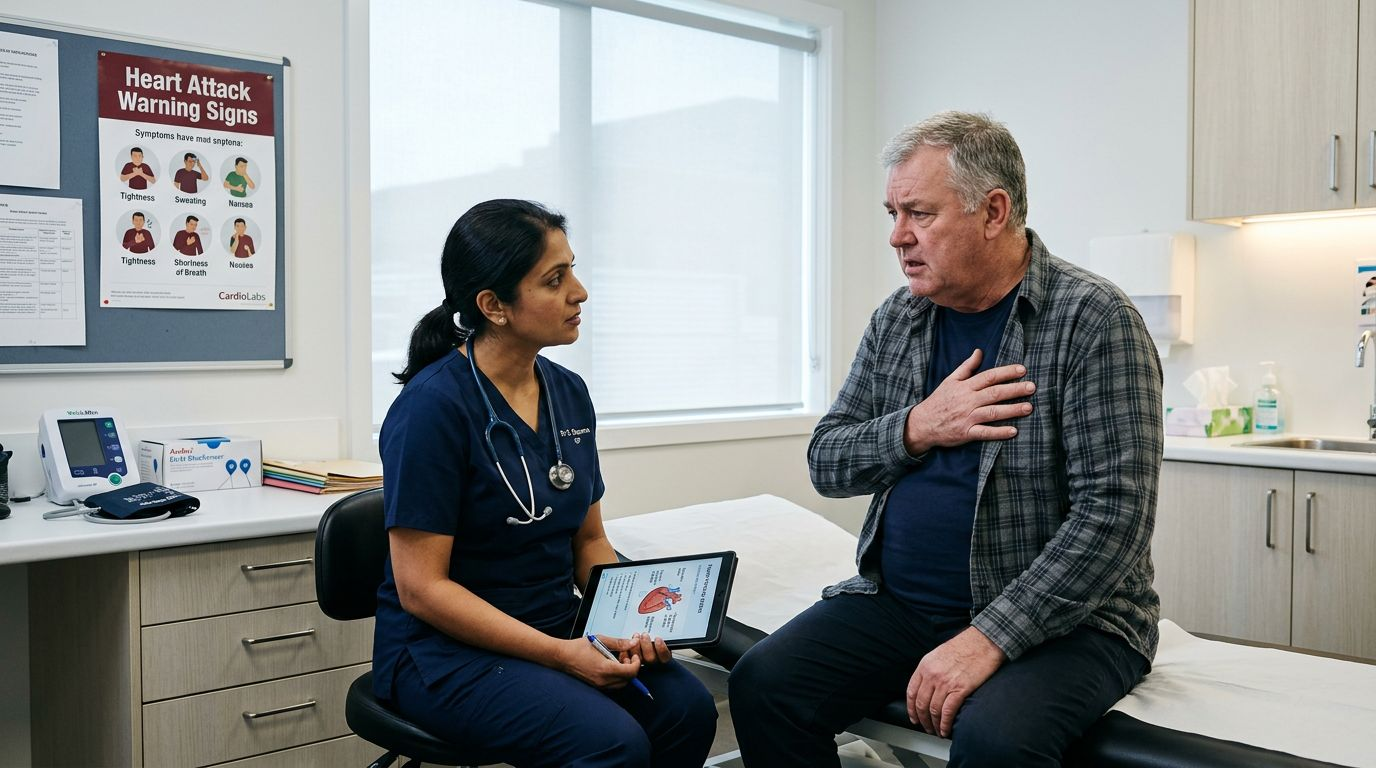
The most common heart attack symptom is chest pain or discomfort, but even this can be misunderstood. People often describe heart attack pain as pressure, heaviness, or a tightness in the chest. It might feel like a heavy weight is sitting on your chest or like a tight band is being squeezed around you. This discomfort can last for a few minutes or it may come and go. It is important to remember that heart attack symptoms typically last more than a few minutes and do not simply disappear with rest.
Beyond the chest, the discomfort can spread to other parts of the upper body. You might feel pain or pressure in your neck, jaw, shoulders, back, or down either arm. Some people experience a choking sensation in the throat. Other signs of a heart attack include feeling suddenly dizzy or lightheaded, breaking out in a cold sweat, or feeling sick to your stomach. Shortness of breath is another major warning sign, often occurring alongside chest discomfort or even on its own.
The Heart Foundation NZ warning signs page notes that symptoms vary significantly between individuals. While one person might have severe, crushing pain, another might only feel a mild sense of indigestion or discomfort. If you experience any of these symptoms and they last for more than a few minutes, you must treat it as an emergency.
Heart Attack Symptoms in Women
Heart disease is the leading cause of death for New Zealand women, killing more than 55 women every week. This amounts to more than 2,900 deaths per year, which is twice as many as any other single cause. Despite these figures, women often describe heart attack pain differently than men, and their symptoms can be easier to dismiss as something less serious, like the flu or stress.
On average, 900 women die from a heart attack each year in New Zealand. That is more than two women a day losing their life to a heart attack. According to the Heart Research Institute, women are more likely than men to have a heart attack without severe chest pain. Instead, women often experience symptoms such as extreme fatigue, nausea, vomiting, or a general sense of unease. They may also feel discomfort in the upper back, jaw, or neck, or experience a dull ache in the upper abdomen that feels like heartburn.
We have seen that women often delay seeking help because they are waiting for the classic chest pain to arrive. Because heart disease kills twice as many women in New Zealand than any other single cause, it is vital to take these subtle signs seriously. If you feel unusually breathless, exhausted for no reason, or have discomfort in your upper body, it could indicate a heart attack. You can find more specific information on the Heart Foundation women's heart health page.
Distinguishing Angina from a Heart Attack
Angina is a common heart condition that shares many symptoms with a heart attack, but the two are different. Angina happens when the heart muscle needs more blood than it is getting, often during physical activity or stress. The pain or discomfort of angina usually improves with rest or by using prescribed medication, such as a GTN (glyceryl trinitrate) spray. If the pain settles quickly with rest, it is likely angina.
A heart attack is different because the pain or pressure does not go away with rest or medication. If you have been diagnosed with angina and your usual symptoms change, become more frequent, or happen while you are resting, this is a major warning sign. We recommend that anyone with known heart conditions stays vigilant. If your angina medication does not provide relief within a few minutes, you should call 111 immediately, as this could be a sign that a heart attack is occurring.
What to Do in an Emergency
If you suspect you or someone else is having a heart attack, the first and only priority is calling 111. Do not try to drive yourself to the hospital and do not wait to see if the symptoms pass. Every minute counts when it comes to restoring blood flow to your heart muscle. Paramedics can begin life-saving treatment the moment they arrive, which is why calling for an ambulance is the safest option.
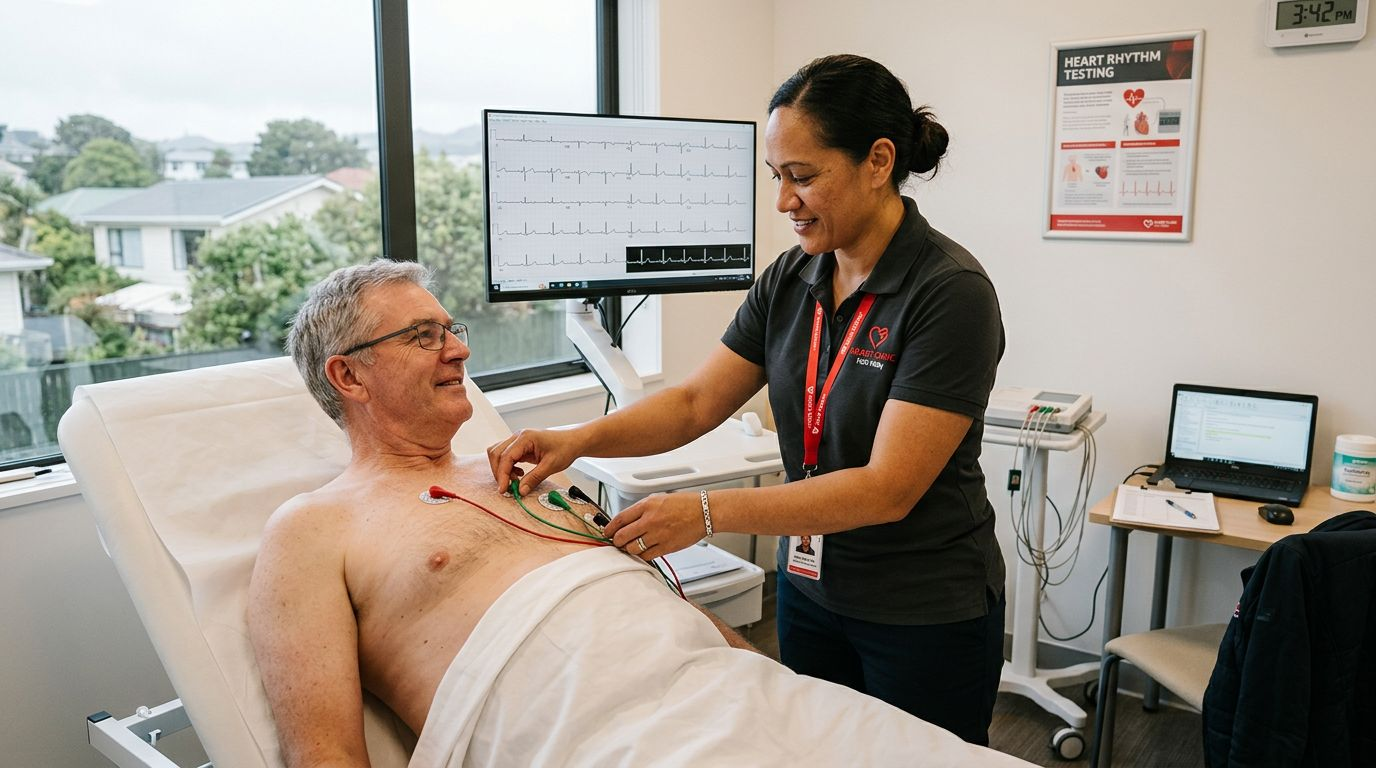
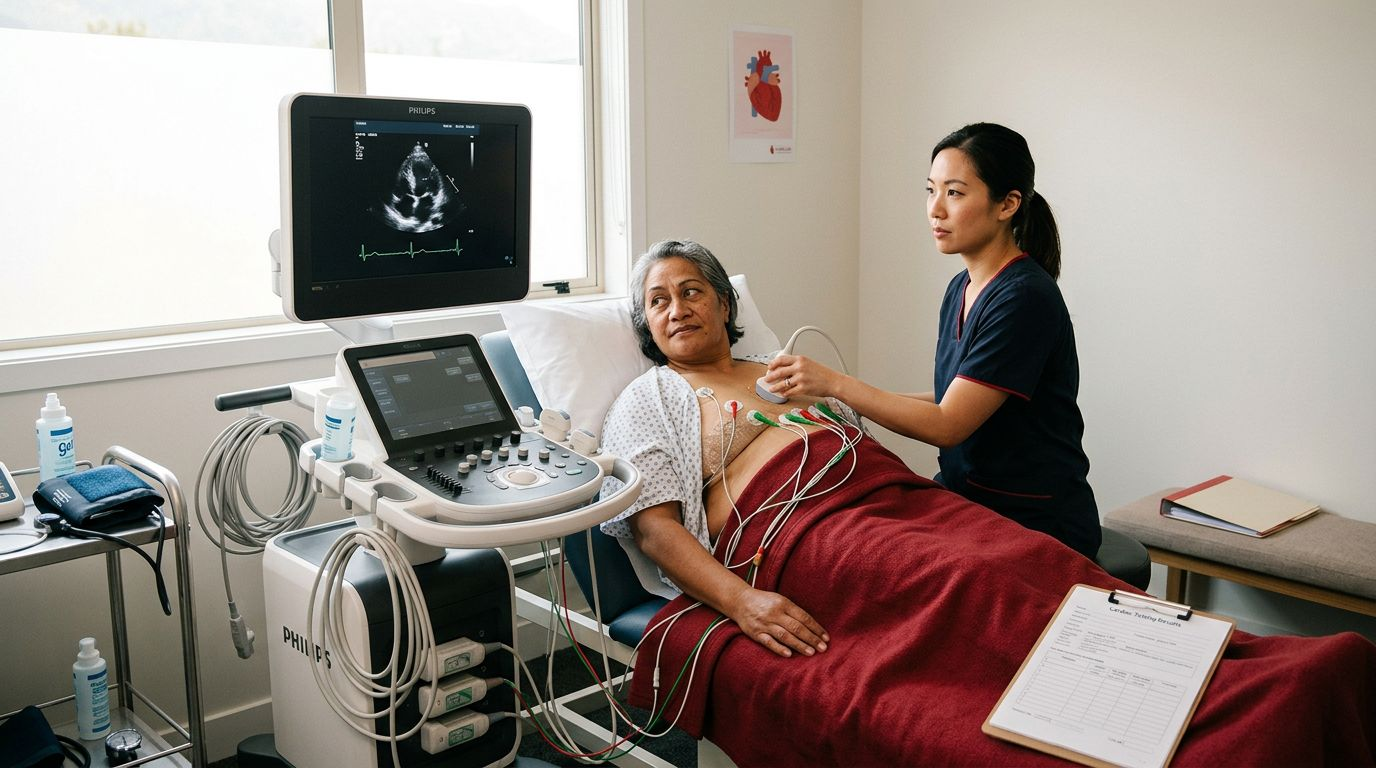
Once the emergency is managed and you are stable, your doctor will likely recommend a series of tests to check your heart health and assess any damage. This is where we can help. At CardioLabs, we provide a range of diagnostic services in the Wellington region to help you and your GP understand your heart's condition. A common first step is a 12-lead ECG(Electrocardiogram), which assesses your heart rhythm and electrical activity. At CardioLabs, a 12-lead ECG costs $96, including a cardiologist-reviewed report and advice.
Accessing Cardiac Diagnostics in Wellington
After a heart scare, getting answers quickly is essential for your peace of mind and your long term health. We focus on providing fast, accessible testing across Wellington, Kapiti, and the Wairarapa. Many patients find that using our community-based clinics is a practical way to avoid long public waitlists and get their results back to their GP within 24 to 48 hours.
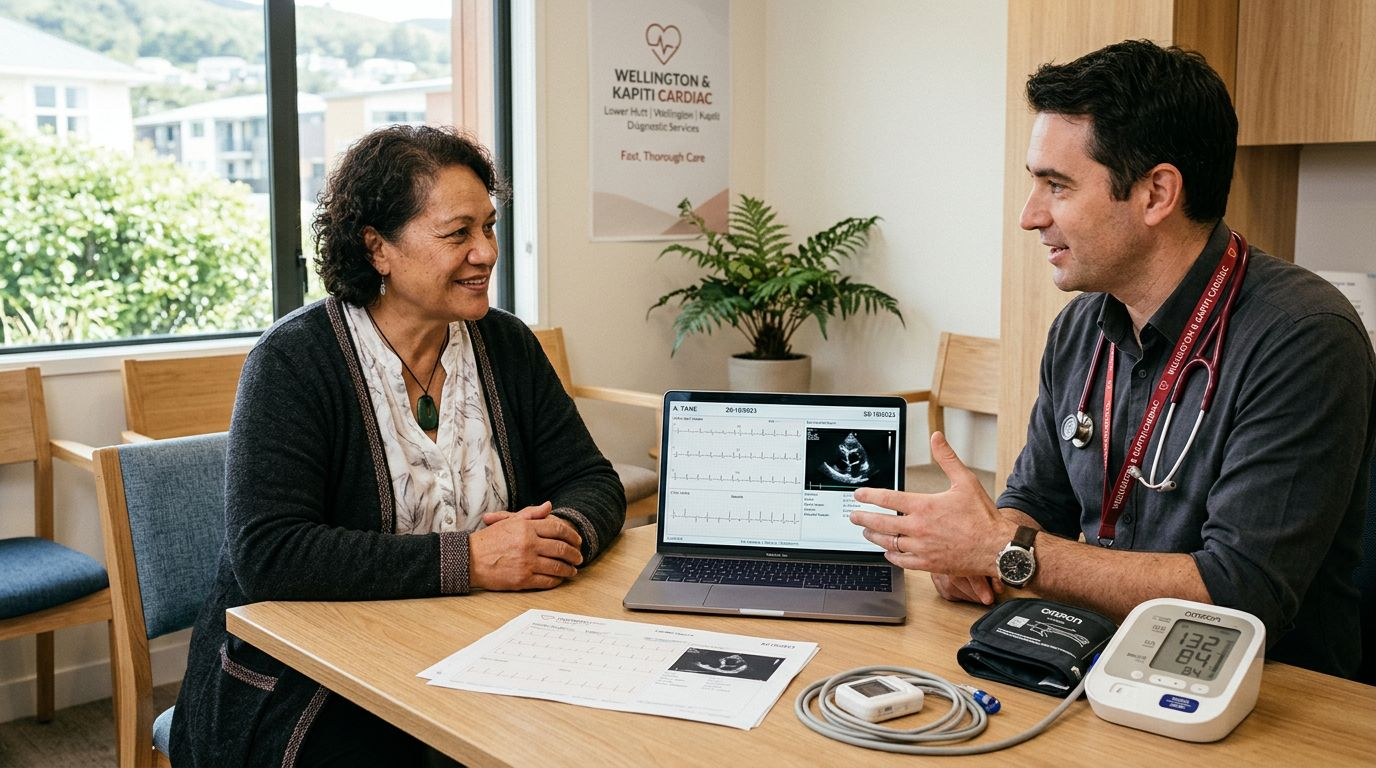
If your doctor needs to see how your heart is functioning structurally, they may request an echocardiogram. This is a safe, non-invasive ultrasound scan of the heart. An echocardiogram at CardioLabs costs $673 and includes a full report and management advice from a cardiologist. This test is particularly useful for investigating symptoms like breathlessness or chest discomfort that may persist after an event.
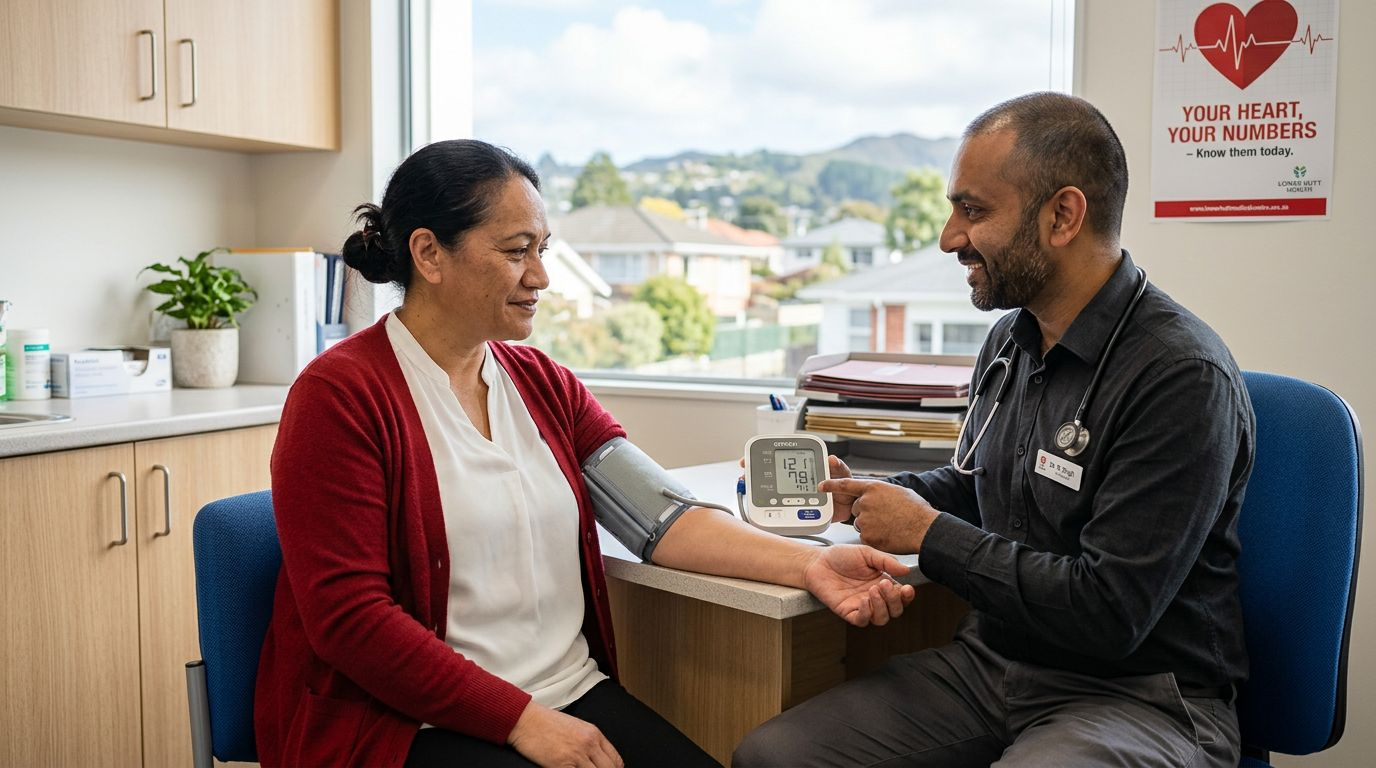
We also offer longer term monitoring to catch issues that might not show up on a standard ECG. For example, a 24-hour blood pressure monitor costs $334 and helps manage hypertension, a major risk factor for heart disease. If you are experiencing palpitations or heart rhythm issues, a Holter monitor can be used. A 48-hour monitor costs $423, while a 7-day monitor is $544, both providing a comprehensive cardiologist-reviewed report for your GP. You can learn more about when these tests are necessary by reading our guide on signs it is time to see a cardiologist.
Taking Control of Your Heart Health
Recognising the warning signs of a heart attack is a skill that saves lives. Whether it is the classic chest pain or the more subtle symptoms often seen in women, acting quickly is the best way to reduce your risk of permanent heart damage. Remember that heart disease remains a leading cause of death in New Zealand, and approximately every 45 minutes, a fellow Kiwi is hospitalised with a heart attack. Being proactive about your symptoms and working closely with your GP can make all the difference.
If you have concerns about your heart health or have experienced symptoms that worry you, talk to your doctor about a referral for diagnostic testing. Our team at CardioLabs is here to ensure that you get the specialist-reviewed answers you need without the stress of a long wait. By understanding the signs and accessing the right technology, you can take a steady, informed approach to protecting your heart for the years to come.