At-Home Heart Monitoring: A Patient's Guide to Holter and 24-Hour BP Monitors
Holter Monitor
Key Takeaways
- A Holter monitor provides a continuous record of your heart rhythm over 48 hours to 7 days to catch symptoms that a standard ECG might miss.
- Ambulatory blood pressure monitoring is the gold standard for identifying masked hypertension and white-coat syndrome.
- Home-based monitoring allows us to see how your heart and blood pressure behave during your normal daily activities.
- CardioLabs provides rapid, cardiologist-reviewed reports to your GP, often within 48 hours of device return.
- Transparent pricing and Southern Cross or NIB pre-approval options make private heart monitoring accessible and efficient.
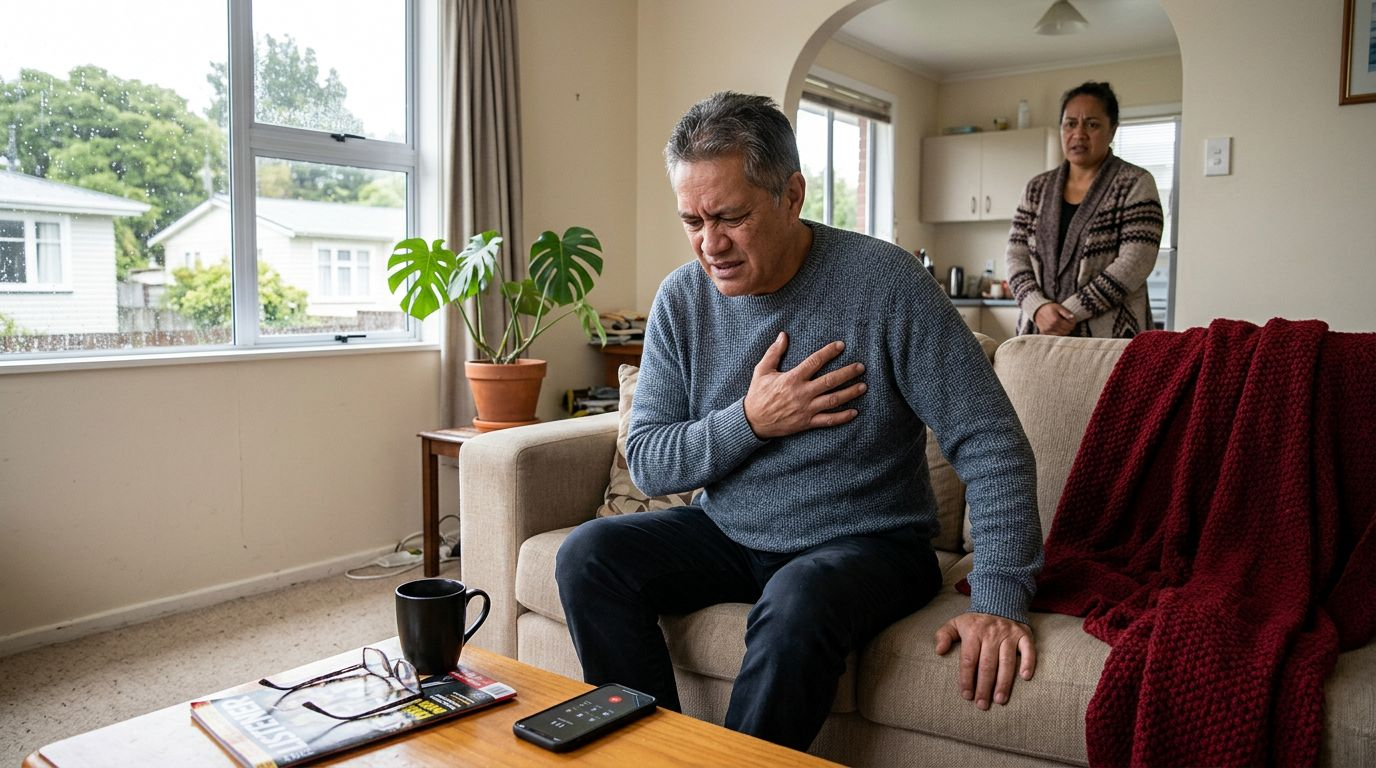
If you have ever felt your heart skip a beat while sitting at your desk, or felt a sudden wave of dizziness while walking the dog, you know how frustrating it is when those symptoms vanish the moment you step into a doctor’s office. A standard 12-lead ECG, which costs $96 at our clinic, is a fantastic baseline tool, but it only captures about ten seconds of your heart’s activity. If your palpitations or dizzy spells are intermittent, that short window is likely to miss the very event we need to see. This is where at-home monitoring becomes essential for a clear diagnosis.
What is a Holter monitor and how does it work?
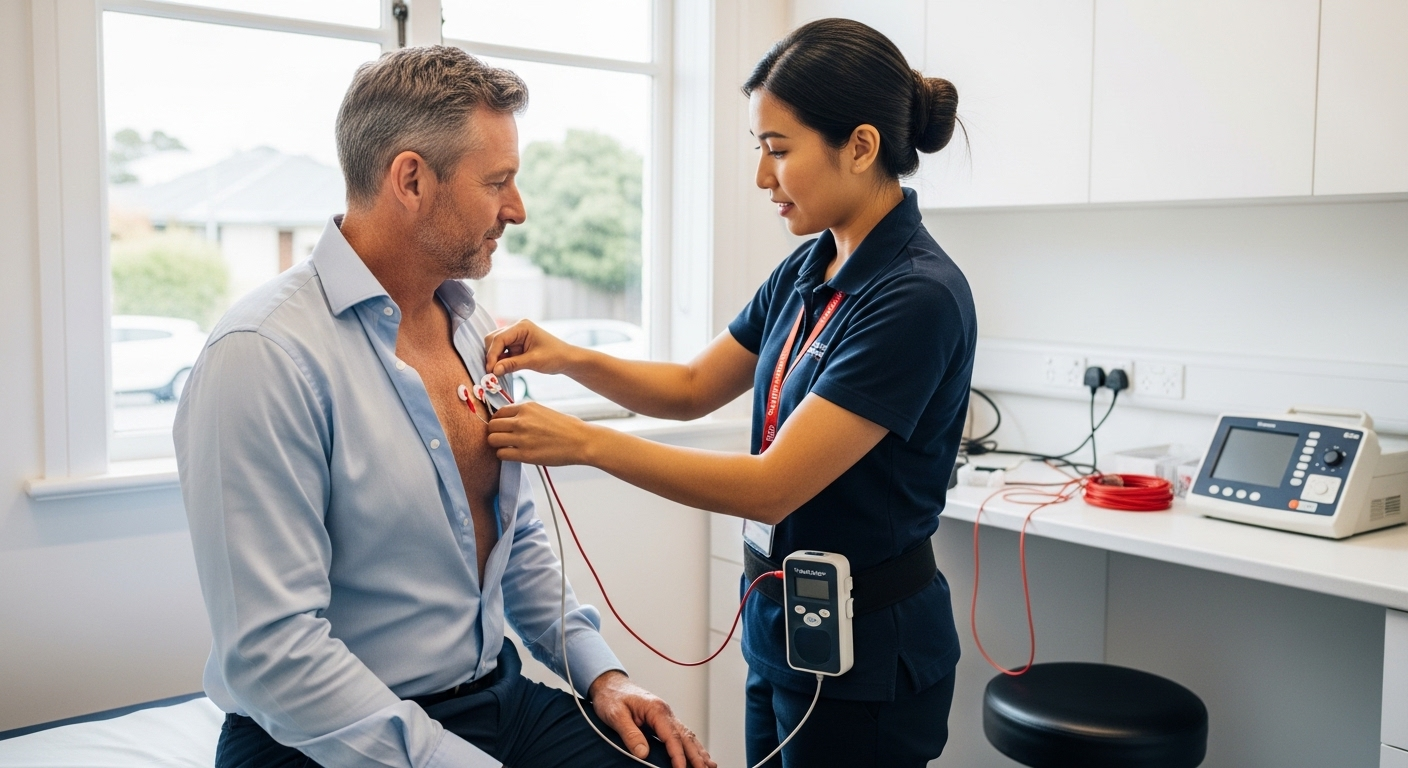
A Holter monitor is a wearable device that records your heart’s rhythm and rate while you wear it for 24hours without breaks. At CardioLabs, we often extend this recording period to ensure we capture enough data. We provide options for a 48-hour Holter monitor or a 7-day Holter monitor depending on how frequently your symptoms occur. This portable device records every single heartbeat, providing your healthcare provider with a long look at your heart’s electrical activity as you go about your day. In our experience, this continuous ECG is the most reliable way to identify an irregular heartbeat or arrhythmia that only shows up occasionally.
We use state-of-the-art, comfortable monitors that are either a 3-electrode style or a small, waterproof patch. Because these devices are exercise-proof, you can continue your normal daily activities, including your morning walk or a session at the gym. We want to see what your heart does under real-world stress and movement. If you are experiencing a racing heart or shortness of breath, the monitor captures the exact electrical activity at that moment. You can find more details on our specific Holter monitoring at CardioLabs in Wellington service page, where we outline the setup process and what to expect.
Why we recommend 24-hour blood pressure monitoring
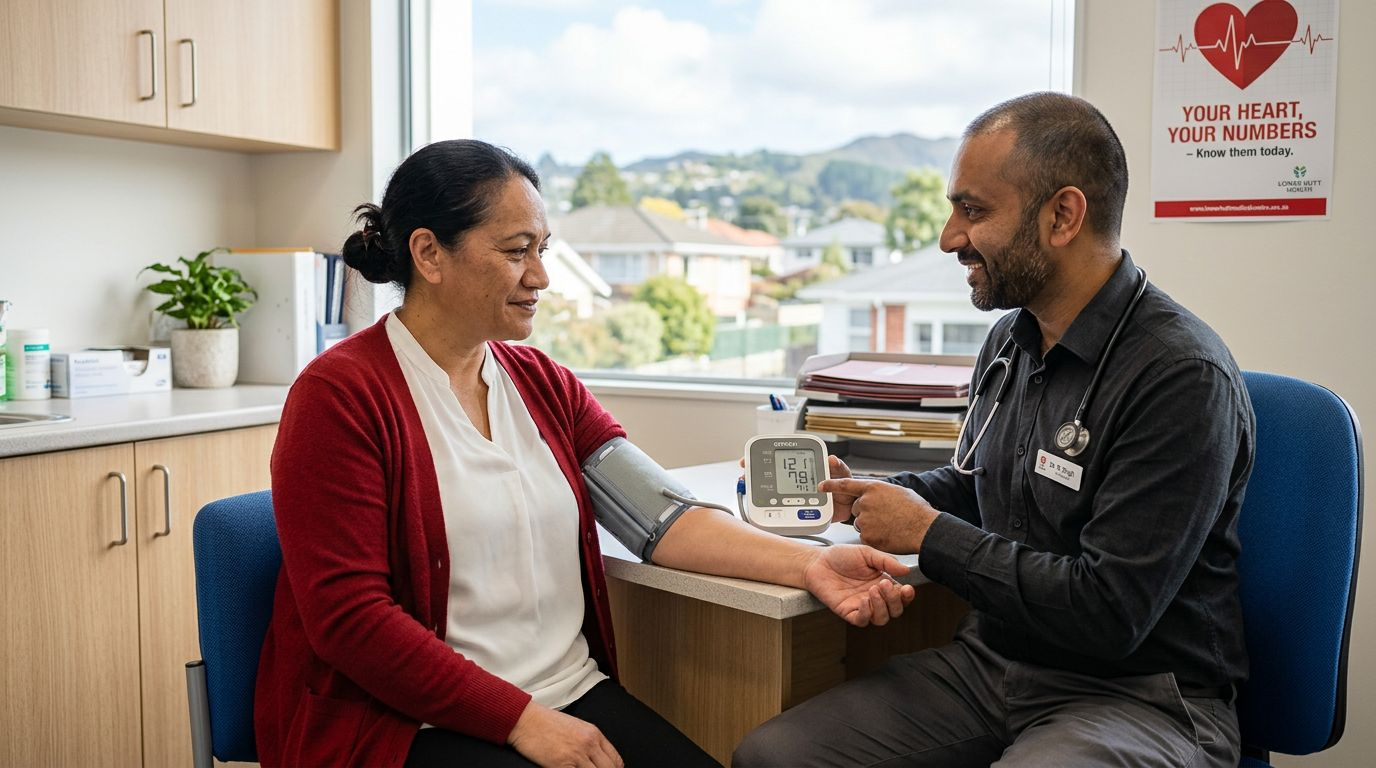
A 24-hour blood pressure monitor is a painless, non-invasive test that uses a cuff to measure your blood pressure at regular intervals over a full day and night. While a one-off reading at your GP’s office is a helpful starting point, 24-hour ambulatory blood pressure monitoring should be an integral part of hypertension care because it better predicts clinical outcomes, especially strokes, than office measurements. It allows us to see your day-night BP patterns, including the healthy 10–20% drop in blood pressure that should occur while you sleep.
Relying solely on office readings can lead to misdiagnosis. A 2025 study of 647 people found that 13% had masked hypertension, where readings are normal in the clinic but high during daily life. Conversely, 6% had white-coat hypertension, where readings are high in the clinic but normal at home. The study also showed that office readings overestimated systolic blood pressure by 6–9 mmHg in normotensive individuals. This is why we encourage patients to use our 24-Hour Blood Pressure Monitor service to get a true representation of their heart health. Our 24-hour blood pressure monitor costs $334 and includes a cardiologist-reviewed report with management advice for your GP.
Practical tips for wearing your monitor
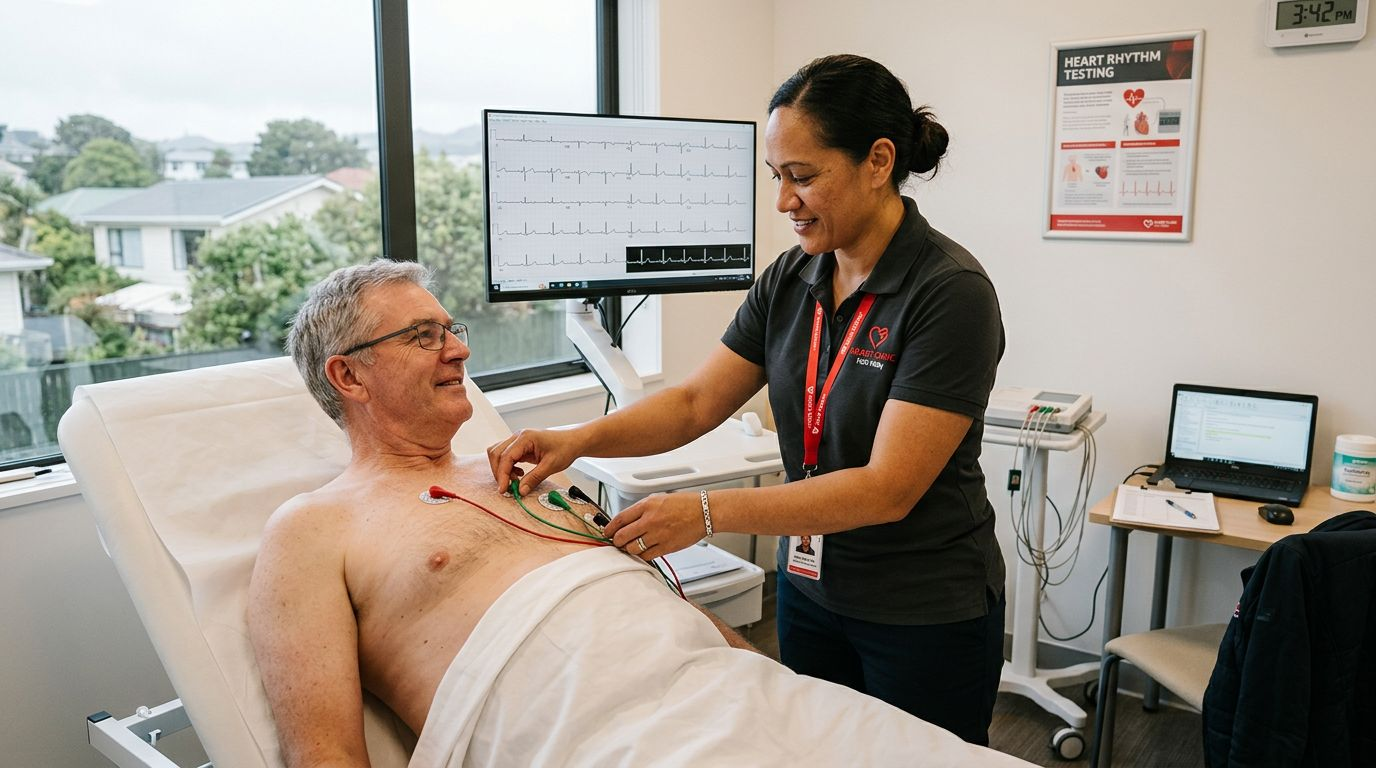
Wearing a portable device for several days might seem daunting, but we have designed the process to be as straightforward as possible. When you come in for your appointment, or if we send the device via courier, we ensure the electrodes are placed securely on your chest. If you have a hairy chest, we may need to shave small areas to ensure the electrodes stay attached. We recommend avoiding lotions or oils on your skin before the fitting, as these can interfere with the adhesive. Once the recorder is on, you can simply go about your life. We often suggest wearing slightly looser clothing to keep the device discreet and comfortable.
One common question we hear is about how to sleep with a Holter monitor. We suggest sleeping on your back or side rather than your stomach to keep the electrodes from shifting. If you are using our 24-hour BP monitor, the cuff will inflate every 30 minutes during the day and hourly at night. It can be a bit of a surprise the first few times it happens, but most people find they adjust to the rhythm quickly. Remember to keep your arm still and at your side when you feel the cuff start to tighten to ensure an accurate reading.

Understanding your results and next steps
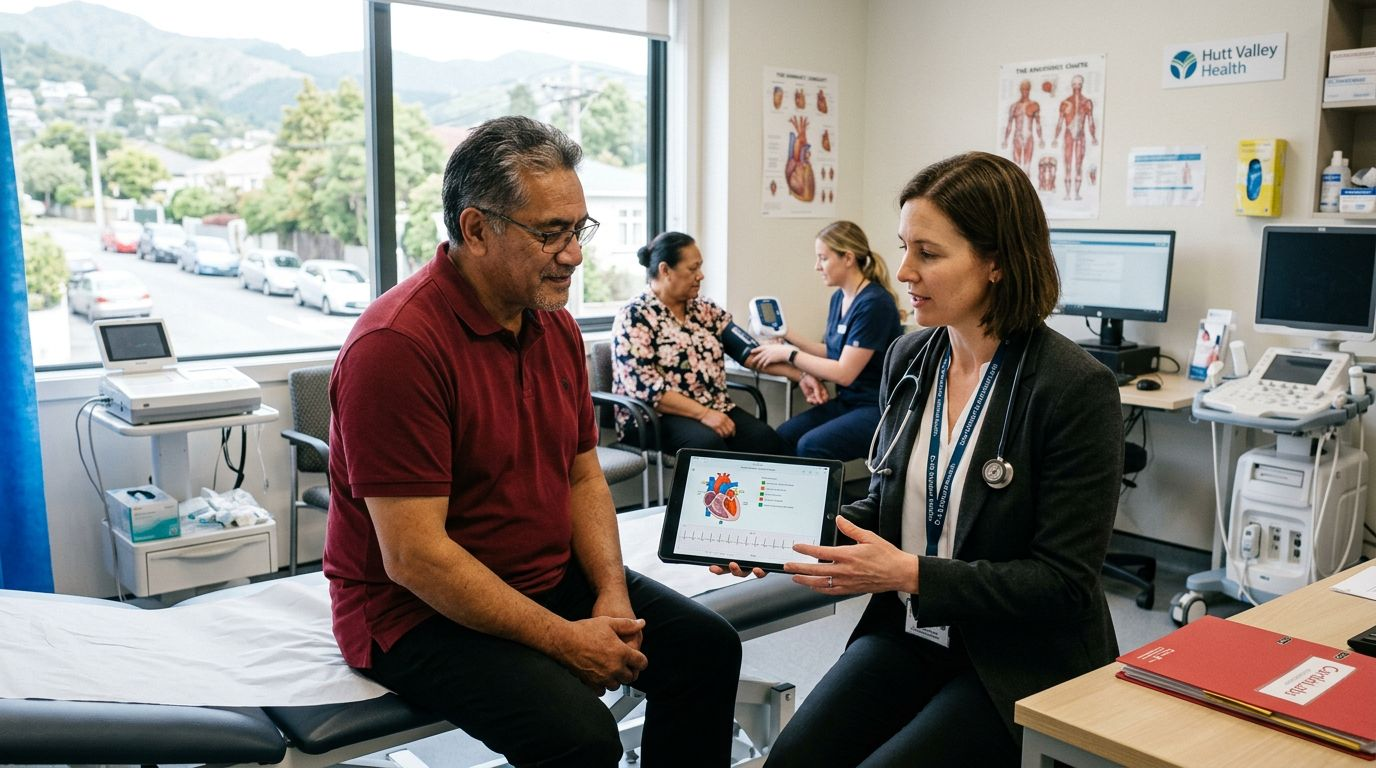
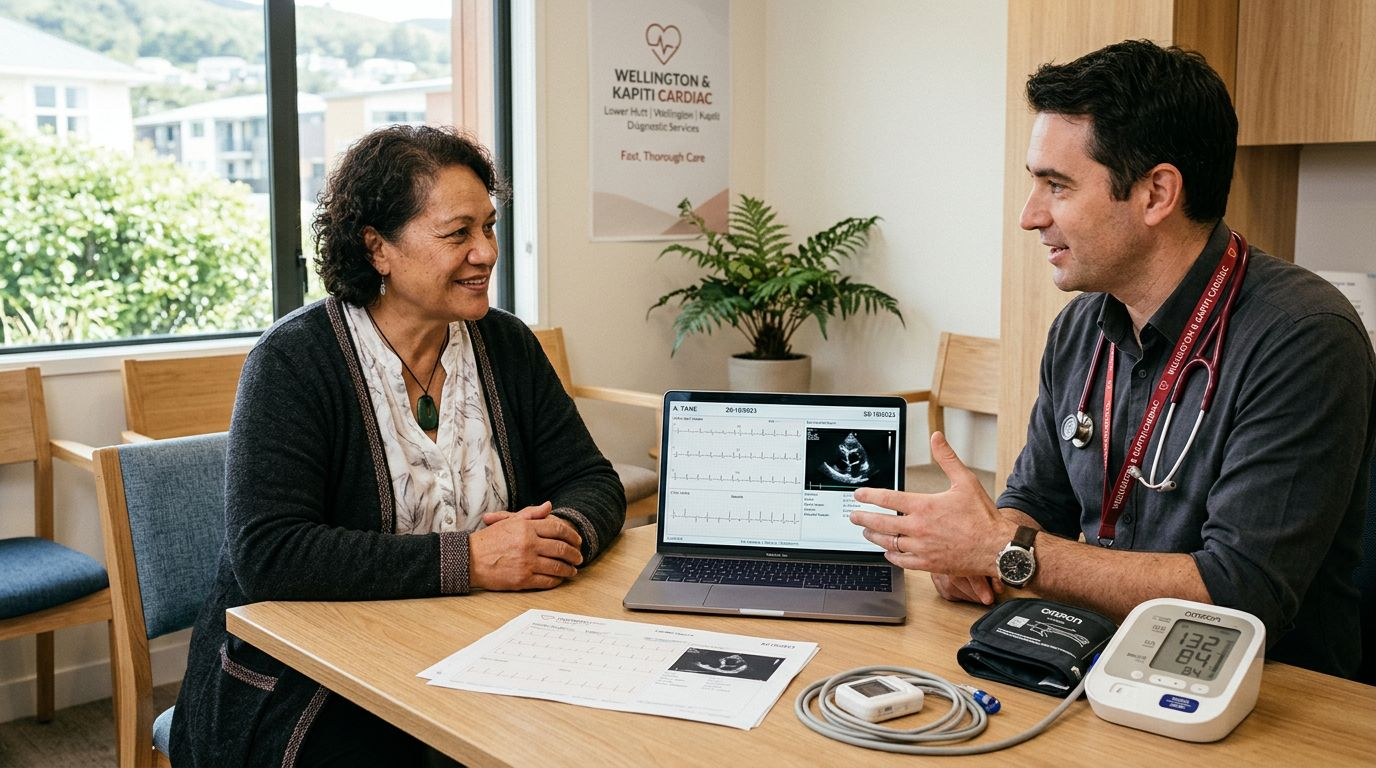
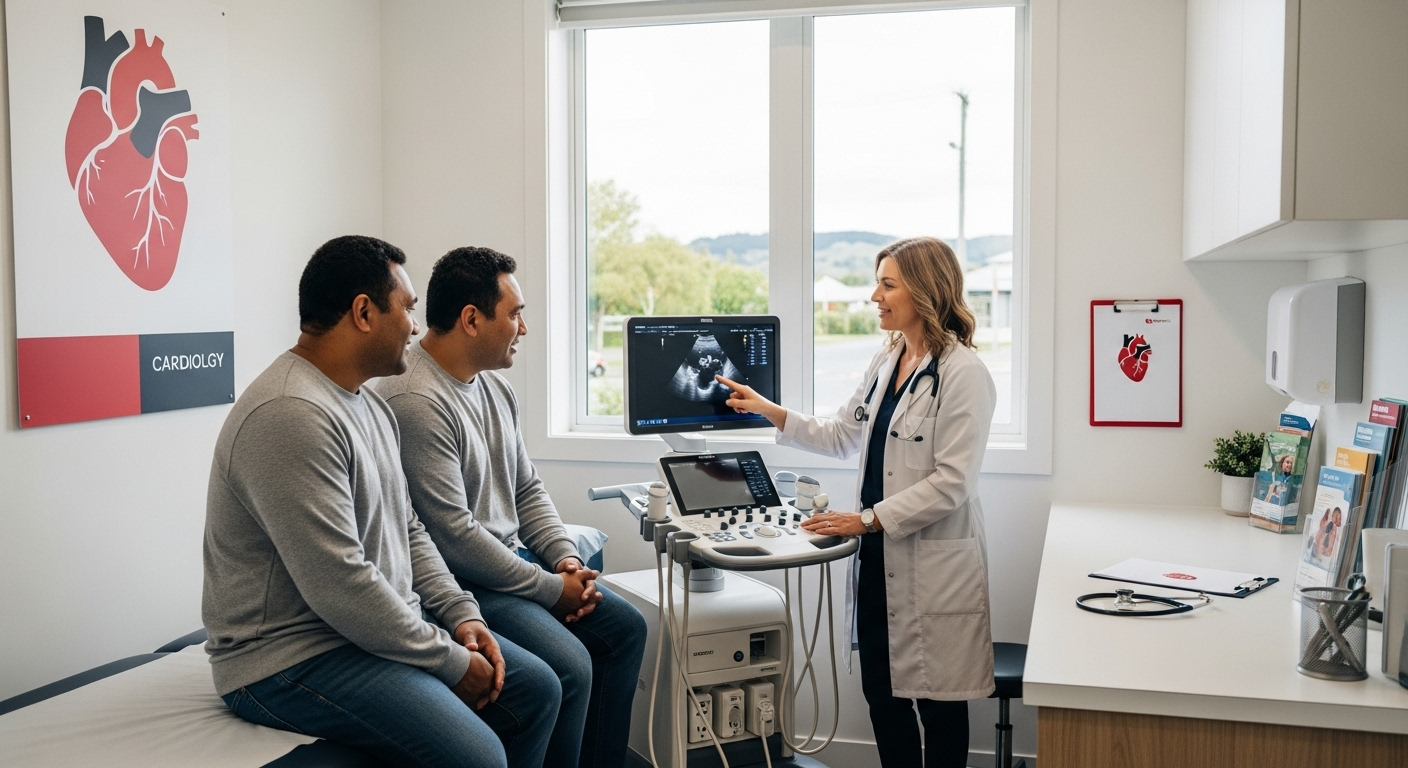
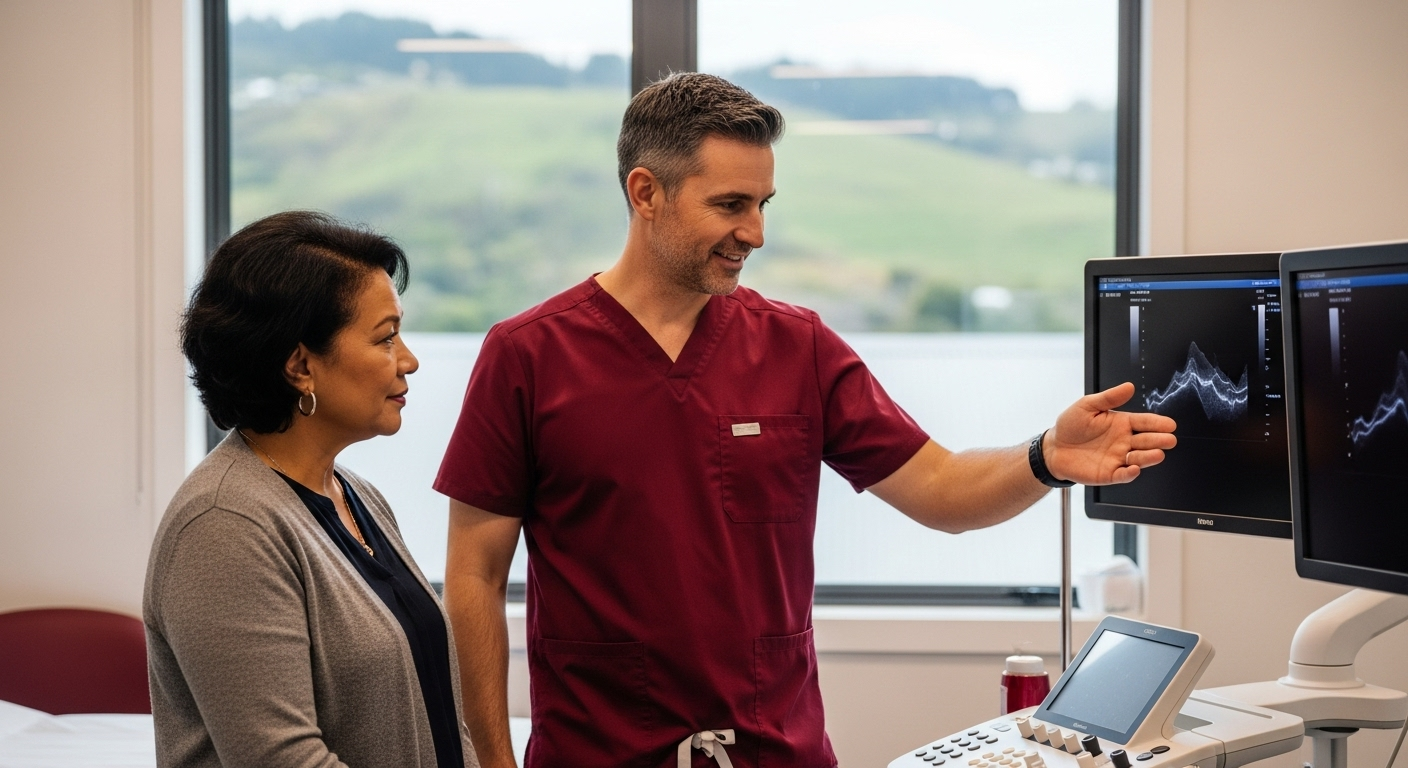
Once the recording period is over, whether it is 48 hours or 7 days, you return the device to us. Our cardiac physiologists then analyse the data, and a cardiologist reviews the findings to provide management advice. We pride ourselves on a fast turnaround, typically sending the final report to your GP within 48 hours. This report helps your doctor determine if your symptoms are related to a heart rhythm issue or if your blood pressure medication needs adjustment. If further investigation is required, your GP might suggest an echocardiogram, which we offer for $673, to look at the physical structure of your heart.
We understand that navigating heart health can feel overwhelming. Our goal is to provide clear, transparent pricing and fast access to specialists without the long waitlists often found in the public system. For a 48-hour Holter monitor, the cost is $423, while a 7-day monitor is $544. We also work closely with Southern Cross and NIB members to facilitate pre-approval using their membership numbers. For those who want a broader look at how we support heart health in the region, you can explore CardioLabs’ comprehensive guide to cardiology in Wellington. This resource explains the various tests available and how we help the 180,000 New Zealanders currently living with heart disease get the answers they need.
_Disclaimer: The information provided in this article is for educational purposes only and does not substitute for professional medical advice, diagnosis, or treatment. Always seek the advice of your cardiologist, GP, or other qualified health provider with any questions you may have regarding a medical condition._