7 Telltale Signs It's Time to See a Cardiologist
7 Telltale Signs It's Time to See a Cardiologist
Key Takeaways
- Recognising patterns in symptoms like exertional chest pain or sudden breathlessness is the first step toward effective heart care.
- A GP referral is the standard pathway to access specialist cardiology practice and diagnostic testing in New Zealand.
- Early detection through non-invasive tests can significantly improve outcomes for those living with cardiovascular disease.
- Community-based clinics in the Wellington region offer a faster alternative to public waitlists for essential heart monitoring.
In our experience at CardioLabs, many patients in the Wellington region wait to seek help because they feel unsure if their symptoms are serious enough for a specialist. This hesitation carries risks because heart disease remains a significant health challenge in our community. According to the Heart Foundation, around 180,000 people in New Zealand are currently living with heart disease, which is more than 1 in 23 adults, and almost 1 in 3 deaths in New Zealand are caused by cardiovascular disease. Every 90 minutes, a New Zealander dies from heart disease. These statistics highlight why we must take persistent or unusual symptoms seriously rather than dismissing them as signs of aging or stress.
What exactly does a cardiologist do?
A cardiologist is a doctor who specialises in the diagnosis and treatment of conditions affecting the heart and blood vessels. While your GP manages your overall health, a cardiologist provides deep expertise in cardiac services, ranging from managing high blood pressure to treating complex structural heart diseases. Some specialists focus on interventional cardiology, which involves using a catheter based treatment to open narrowed blood vessels or repair valve disorders. This procedure, known as percutaneous coronary intervention, is a common way to restore blood flow to the heart muscle without traditional surgery. Whether you are visiting an outpatient clinic for a routine check or requiring more advanced diagnostic testing, the goal is always to protect your heart's function and prevent future events like heart attacks.

1\. Chest discomfort or angina
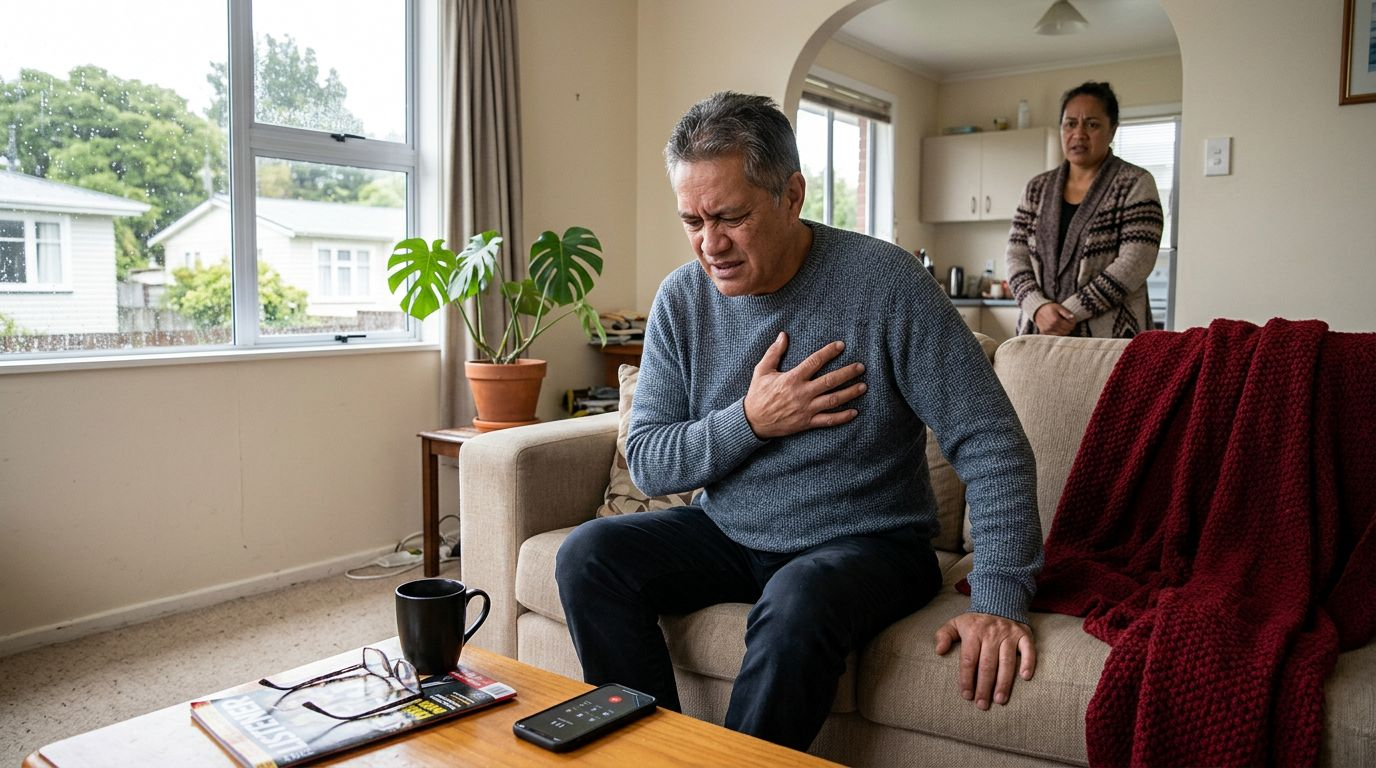
Chest pain is the most well-known signal that your heart needs attention, but it often feels more like a heavy sensation or pressure than a sharp pain. In our experience, the hallmark symptom of heart disease is when you have chest pain while you’re active in some way, then suddenly it’s better when you’re sitting and rested. This discomfort, known as angina, occurs when the blood vessels to the heart are narrowed, restricting oxygen-rich blood flow during exertion. You can learn more about common heart conditions and tests in our education hub, where we explain how angina can also cause radiation of pain to the arms, nausea, or sweating. If you experience persistent or escalating chest pain accompanied by feeling sick or sweaty, you must call emergency services immediately.
2\. Shortness of breath
Feeling winded after a brisk walk up one of Wellington’s many hills is normal, but struggling for air during routine activities is a red flag. Shortness of breath, especially when it occurs during light activity or while lying flat, can indicate that the heart is struggling to pump efficiently. This is a common symptom of a weakened heart muscle or heart failure, where fluid can build up in the lungs. We often see this in patients who previously thought they were just "out of shape." If you find yourself needing extra pillows to prop yourself up at night just to breathe comfortably, it is time to ask your GP for a referral to a cardiologist. Our education page provides further detail on how heart failure and breathlessness are linked and what specialists look for during an assessment.
3\. Heart palpitations or arrhythmias
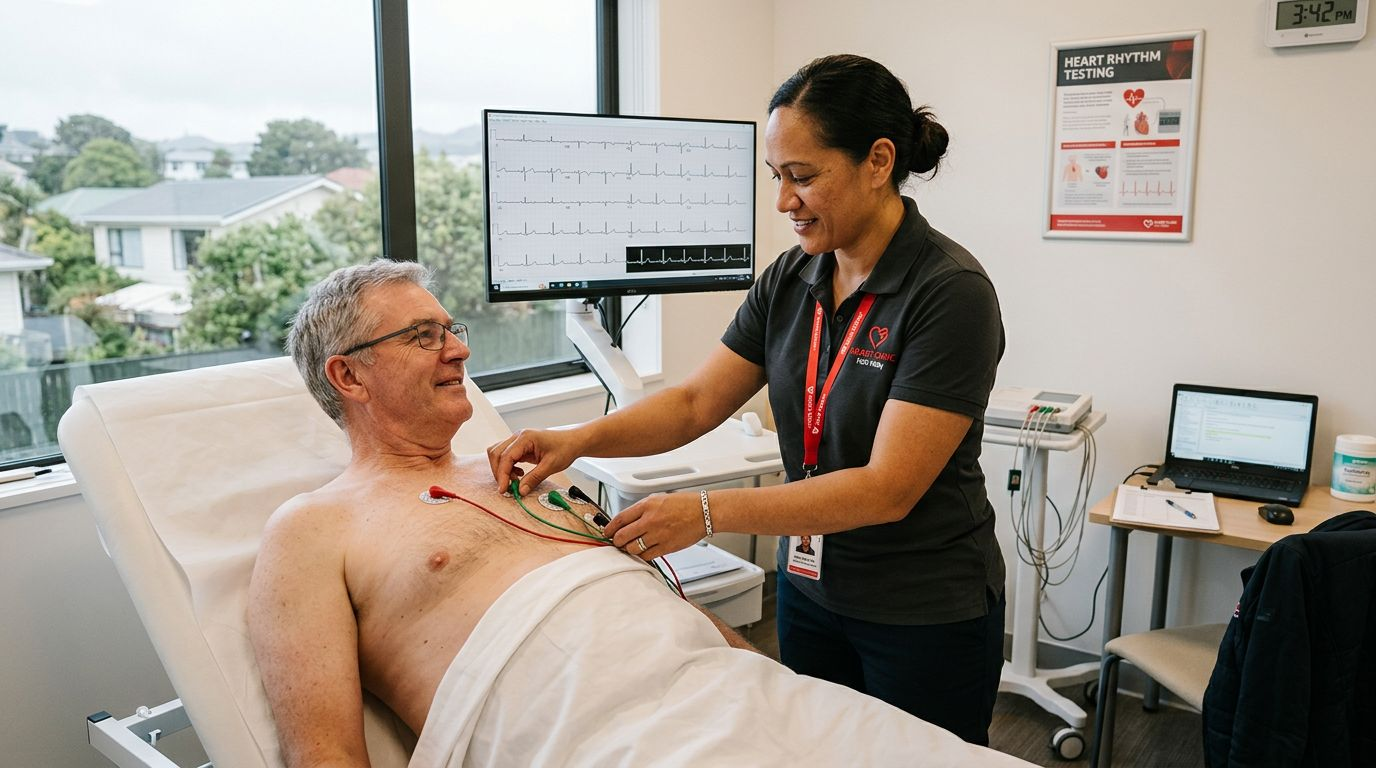
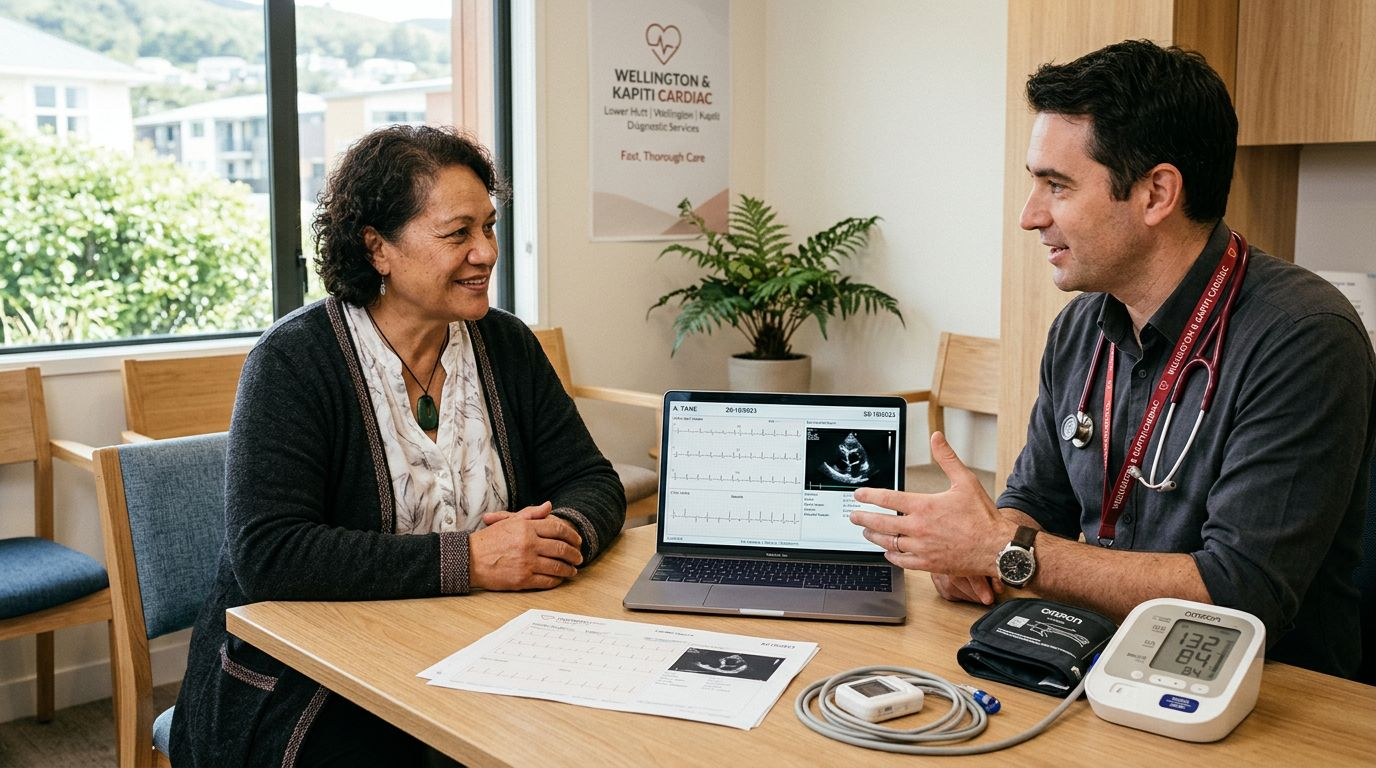
Palpitations feel like your heart is skipping a beat, fluttering, or racing far too fast for the activity you are doing. While many flutters are harmless, some indicate an arrhythmia, such as atrial fibrillation, which increases the risk of stroke. A standard 12-lead ECG, or electrocardiogram, is the first step in checking your heart rhythm. At CardioLabs, a 12-lead ECG costs $96, including a cardiologist-reviewed report and advice. However, because palpitations are often intermittent, a ten-second office reading might miss them. In these cases, we use a Holter monitor to record your heart rhythm over a longer period. You can read our patient's guide to Holter and 24-hour BP monitors to see how these devices capture data while you go about your day. A 48-hour monitor costs $423, while a 7-day monitor is $544, both providing a comprehensive cardiologist-reviewed report for your GP.
4\. Unexplained dizziness or fainting
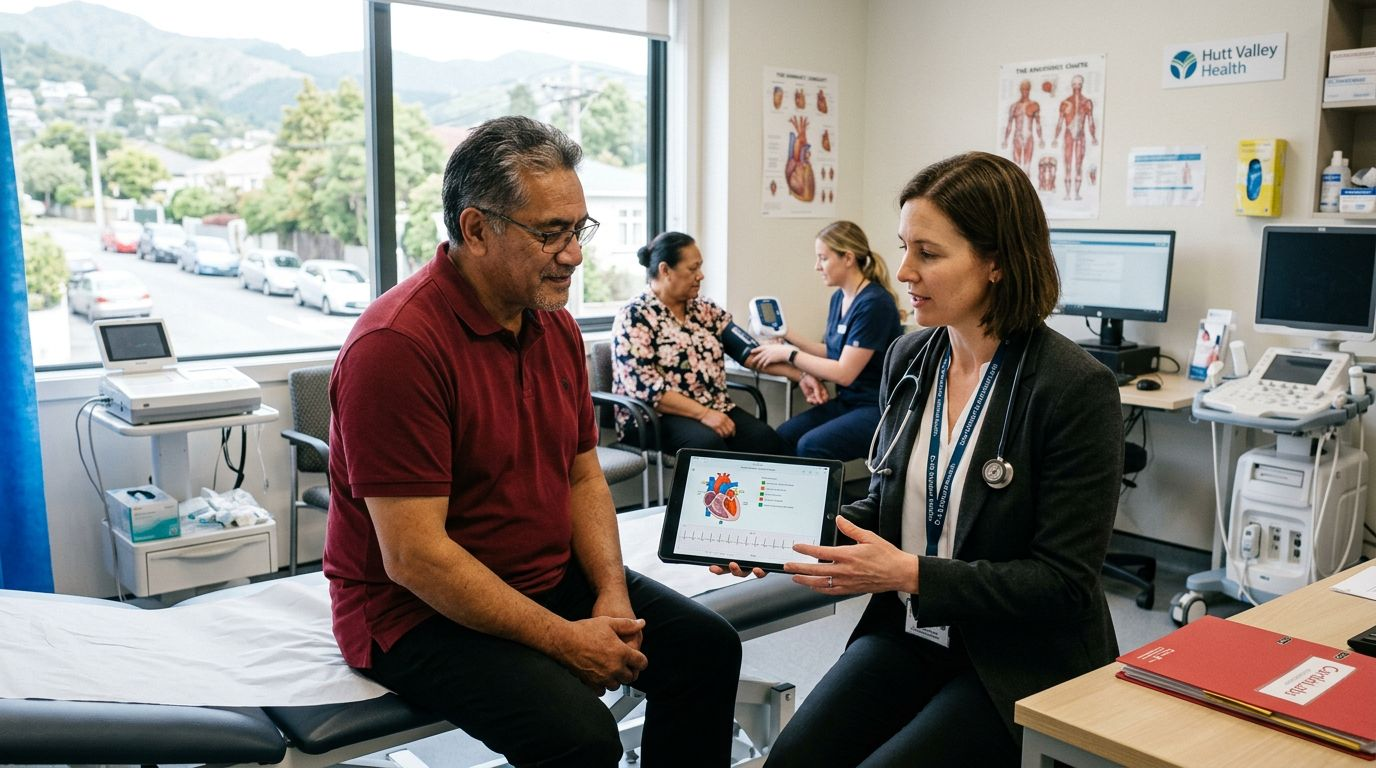
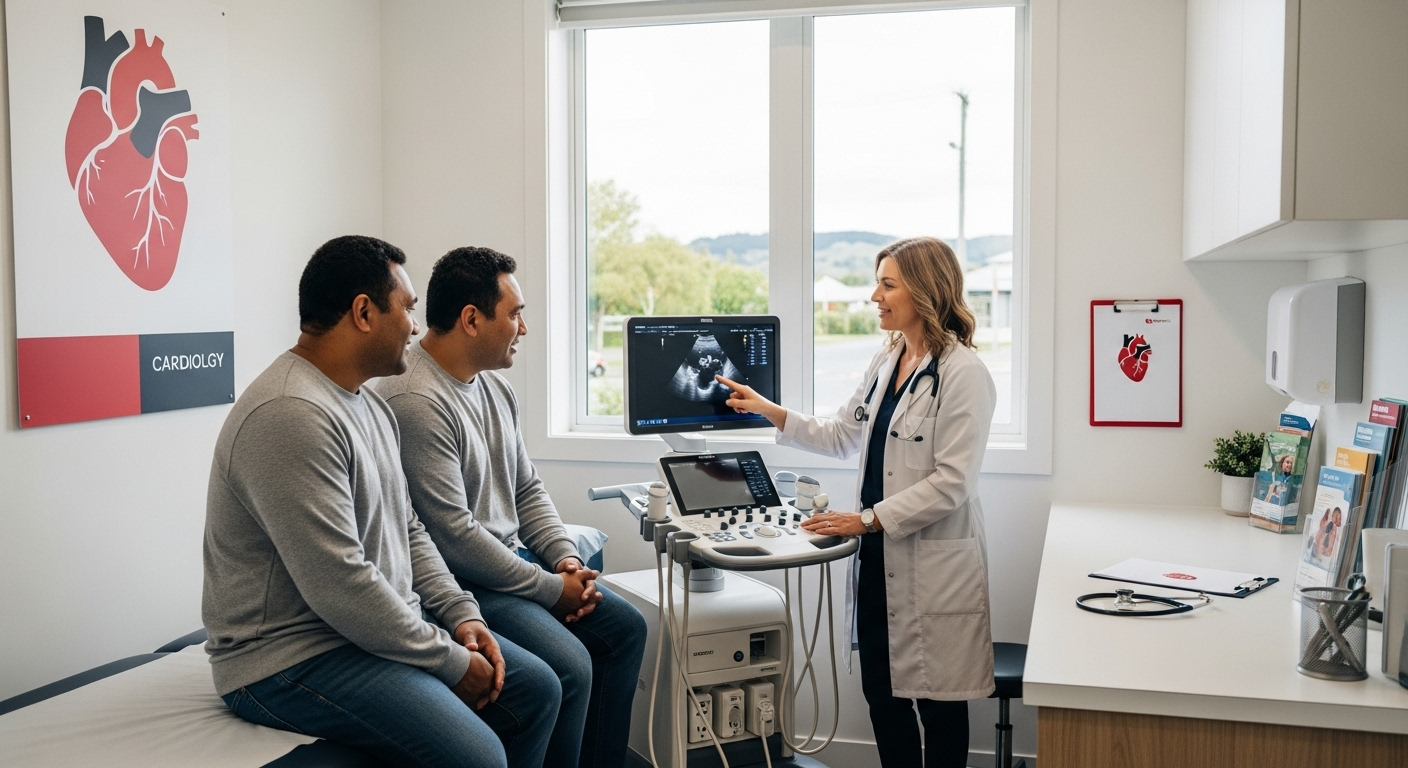
Feeling lightheaded or losing consciousness suddenly is a significant symptom that requires a prompt cardiac evaluation. Dizziness can stem from several issues, but heart specialists are particularly concerned when it relates to heart rhythm problems or structural heart diseases. Some arrhythmias can cause fainting without warning because the brain temporarily loses adequate blood flow. If you have experienced a blackout or frequent dizzy spells, a specialist may recommend an echocardiogram to look for issues like valve disorders or holes between heart chambers. This ultrasound of the heart provides a clear picture of how the heart and blood vessels are functioning. Our arrhythmia education section details why these symptoms warrant investigation to prevent injury or more serious cardiac events.
5\. Swelling in the legs (oedema)
Swelling in the legs, ankles, or feet is a symptom people tend to overlook, especially when it worsens through the day. Known medically as oedema, this fluid retention is commonly seen in people with heart failure or valve problems. When the heart cannot pump effectively, blood backs up in the veins, forcing fluid into the surrounding tissues. If you notice that your shoes feel tighter by the evening or that pressing on your shift leaves a lasting indentation, your heart might be struggling to manage your body's fluid balance. We recommend discussing this with your doctor, who may suggest an echocardiogram to check for evidence of coronary artery disease or a weakened heart muscle. An echocardiogram at CardioLabs costs $673 and includes a full report and management advice from a cardiologist.
6\. High blood pressure that is difficult to control
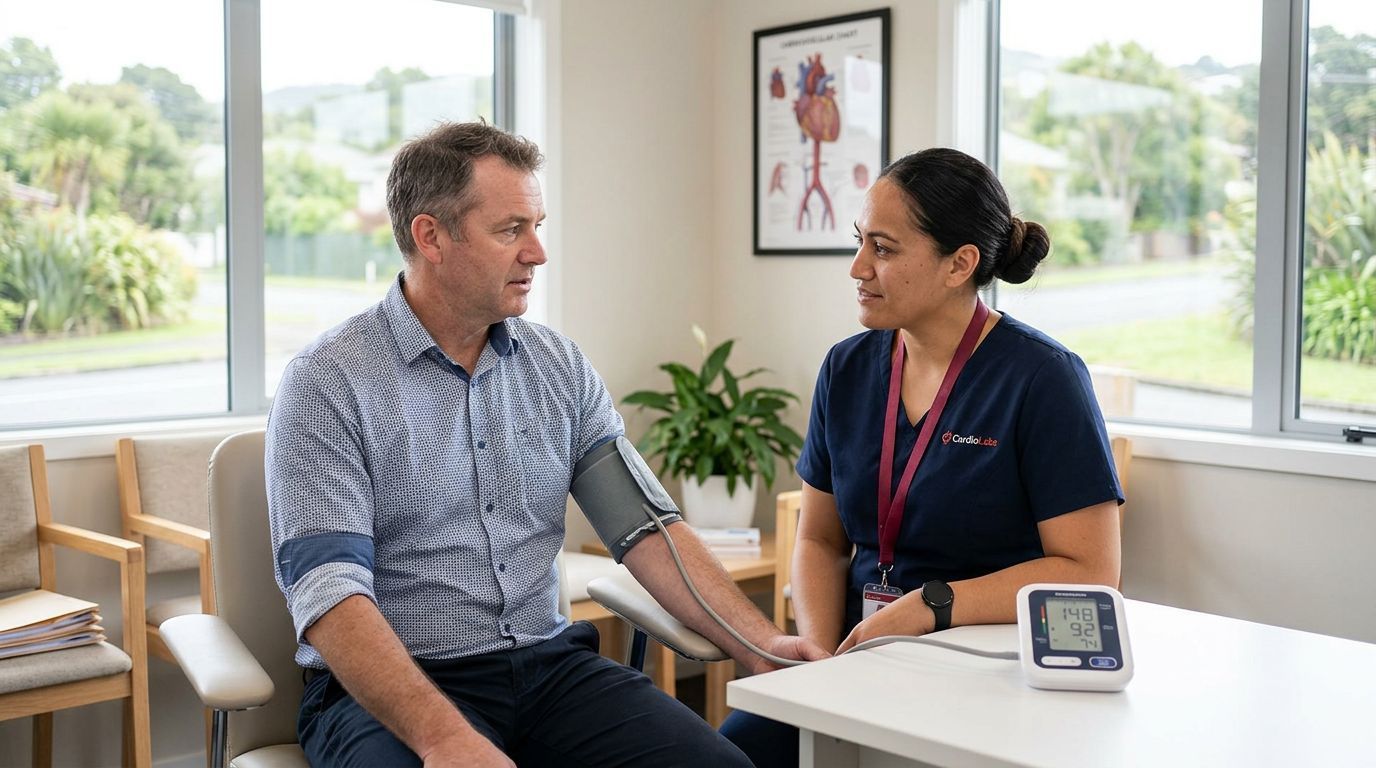
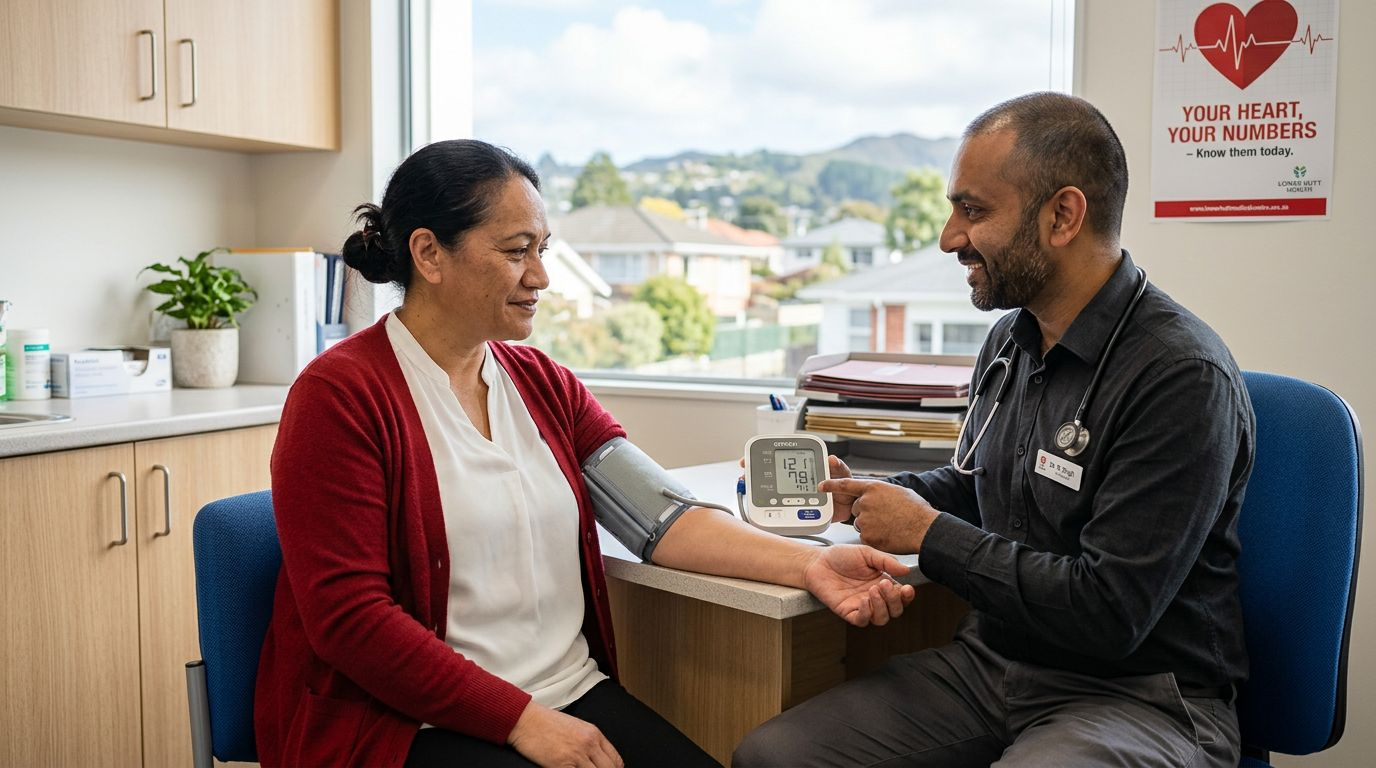
Persistent high blood pressure puts immense strain on the heart and blood vessels, yet it often has no obvious symptoms. When clinic readings remain high despite medication, or if your home readings vary wildly from those at the GP, a 24-hour blood pressure monitor is the gold standard for getting the full picture. This test helps identify "white-coat hypertension," where stress in the clinic raises your numbers, or "masked hypertension," where your pressure is high only outside the clinic. At CardioLabs, a 24-hour blood pressure monitor costs $334. This diagnostic testing allows your cardiologist to see how your pressure behaves during sleep and daily stress, ensuring your treatment plan is accurate. You can find more information on this process in our guide to at-home heart monitoring.
7\. A strong family history of heart disease
Sometimes the most important sign is not a physical symptom but your genetic history. You should consider seeing a cardiologist if you have a family history of early coronary artery disease, specifically before age 55 in fathers or 65 in mothers. Other risk factors like diabetes, chronic kidney disease, or high cholesterol also increase the likelihood of developing heart issues. In these cases, a cardiologist might perform a stress test, sometimes using a medication called dobutamine to simulate exercise, to see how your heart responds under pressure. Proactive screening allows for early intervention, potentially preventing previous heart attacks from being part of your future. We believe that understanding your risk is the best way to maintain a long and healthy life.
Why would a person be referred to a cardiologist?
A person is typically referred to a cardiologist when their GP identifies symptoms or risk factors that require specialist diagnostic testing or a specific management plan. Whether it is investigating the cause of a new heart murmur or managing complex valve disorders, the collaboration between your GP and heart specialists ensures you receive the right care at the right time. In the Wellington region, patients often face long waitlists for public cardiac services. CardioLabs provides an alternative through our community-based outpatient clinics across the Kapiti Coast, Wairarapa, Palmerston North, and greater Wellington. By choosing a private clinic visit, you can often have your ECG, echocardiogram, or Holter monitor completed within days, with results sent to your GP within 48 hours. We are a Southern Cross Affiliated Provider and support claims for NIB and other insurers, making expert care more accessible. For a deeper look at how we support local patients, see our comprehensive guide to cardiology in Wellington.

Taking the next step for your heart
Recognising these seven signs is about empowerment, not fear. While not every palpitation or dizzy spell means a serious condition is present, none of these symptoms should be ignored. Early action is the most effective tool we have to change the statistics in New Zealand. Every 90 minutes, a New Zealander dies from heart disease, but many of these deaths are preventable through timely diagnosis and treatment. If you are experiencing any of these telltale signs, talk to your GP about a referral for cardiac testing. Whether it is a simple $96 ECG or a detailed $673 echocardiogram performed by a skilled technician, getting answers quickly provides the peace of mind you deserve. Your heart works hard for you every single day, and making sure it has the support it needs is the best investment you can make in your future.
_Disclaimer: The information provided in this article is for educational purposes only and does not constitute medical advice. Always seek the advice of your physician or another qualified health provider with any questions you may have regarding a medical condition. Never disregard professional medical advice or delay in seeking it because of something you have read here. If you are experiencing a medical emergency, please dial 111 immediately._