Wellington Heart Tests: Your Ultimate Guide to Fast Cardiac Diagnostics
A Patient’s Guide to Heart Testing: Understanding Your Cardiac Diagnostics
Key Takeaways
- Heart testing provides essential data on your heart’s electrical activity, physical structure, and blood pressure patterns.
- Early diagnosis through tests like echocardiograms can identify valve disease or heart failure before symptoms become severe.
- Community-based clinics offer a faster alternative to public hospital waitlists, which often exceed several months in the Wellington region.
- Cardiologist-reviewed reports are typically delivered to your GP within 24 to 48 hours to ensure prompt treatment planning.
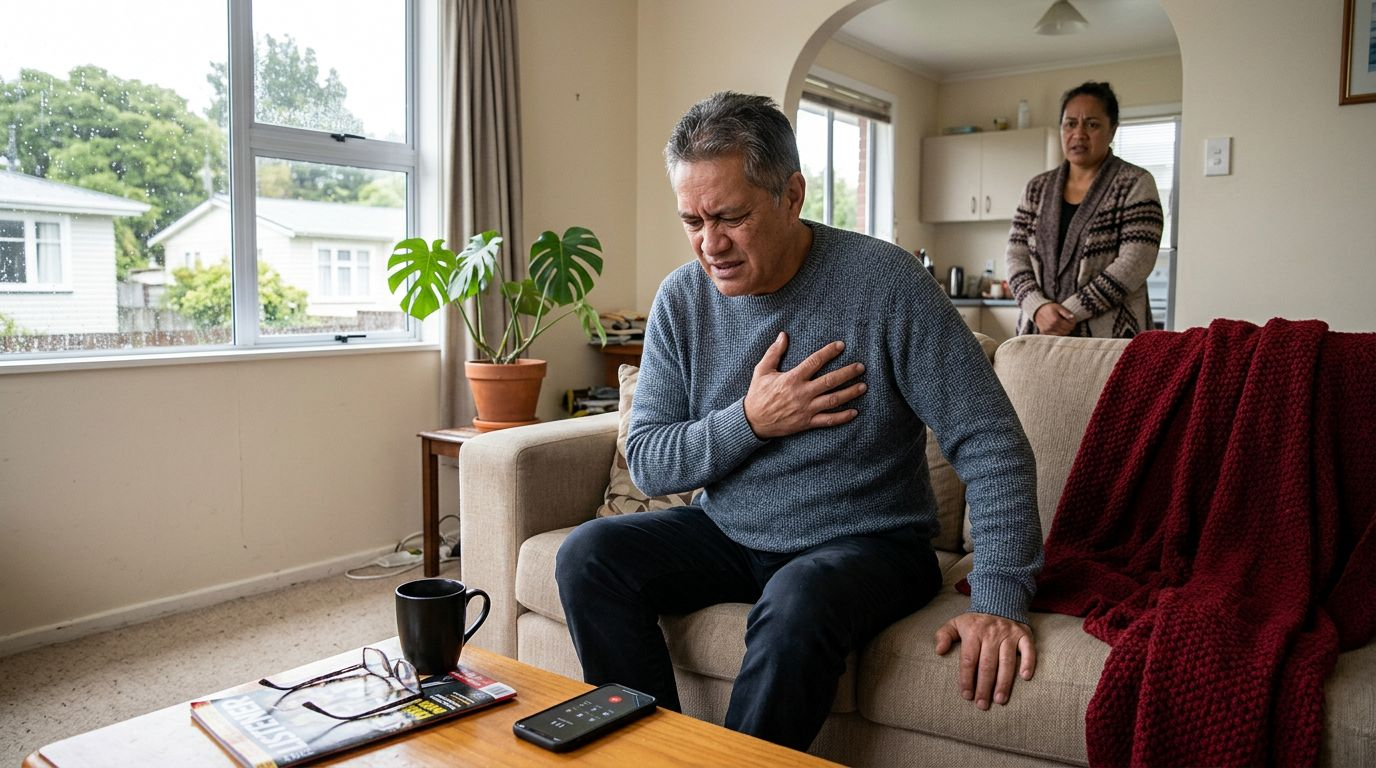
Cardiovascular disease remains the leading cause of death in New Zealand, accounting for nearly 30% of all deaths annually. With approximately 195,000 people living with heart disease across the country, the need for clear, accessible diagnostic information has never been higher. Understanding which heart test you need and why you need it is the first step toward managing your long-term health.
We believe that every patient deserves fast access to high-quality cardiac care. In the Wellington region, public wait times for essential scans like an echocardiogram can reach up to 10 months. This delay creates unnecessary anxiety for patients and their families. Our community-based clinics provide a local, efficient alternative, ensuring you receive expert answers without the hospital-level wait.
How Your Doctor Chooses the Right Heart Test
GPs and specialists select specific diagnostic tools based on your symptoms, family history, and lifestyle. A patient in Lower Hutt experiencing sudden palpitations requires a different diagnostic path than an athlete in Masterton seeking a baseline screening before a marathon. Tests are complementary rather than interchangeable, each answering a specific question about how your heart functions.
We categorise these tests into three main areas: electrical activity, physical structure, and pressure patterns. By combining the results of these assessments, your medical team gains a complete picture of your cardiovascular health. This collaborative approach allows for tailored treatment plans that address your unique needs.
The 12-Lead ECG: Your Electrical Baseline
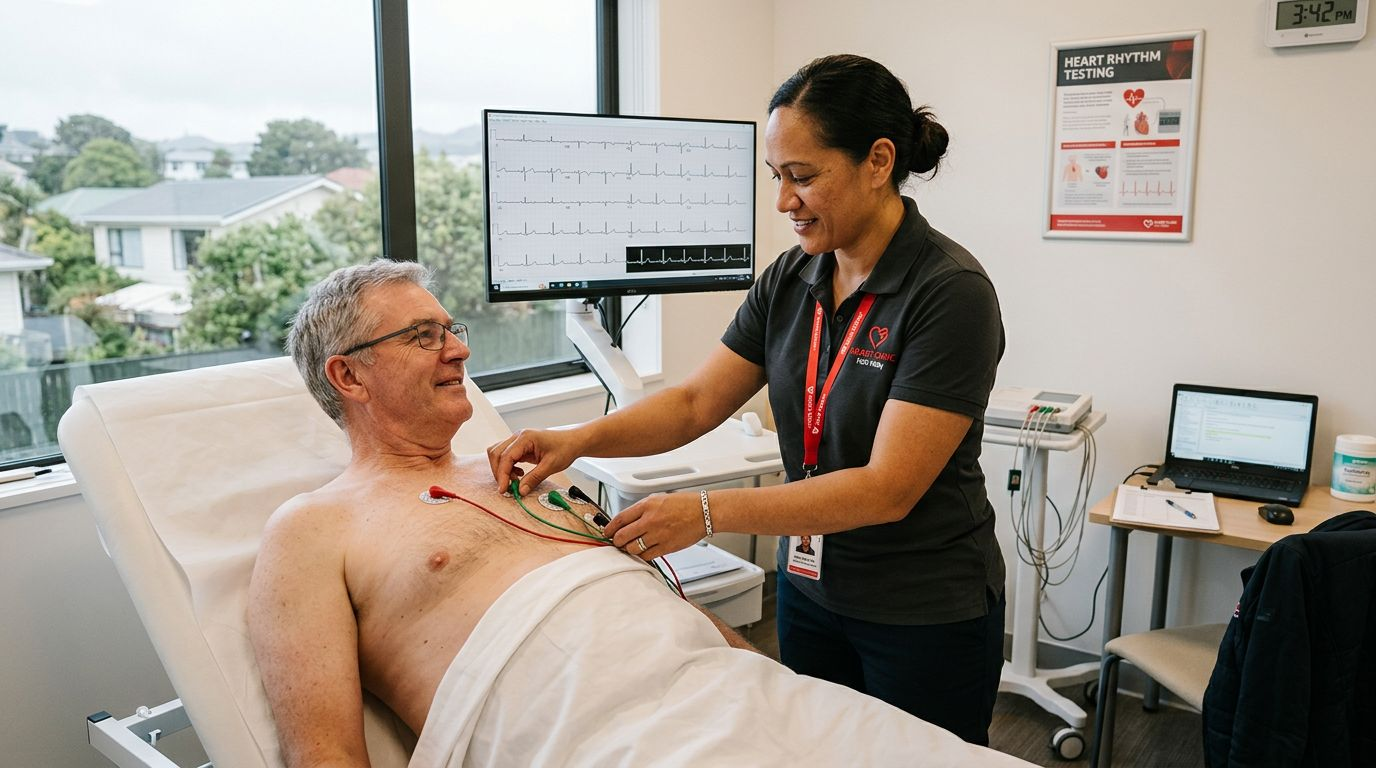
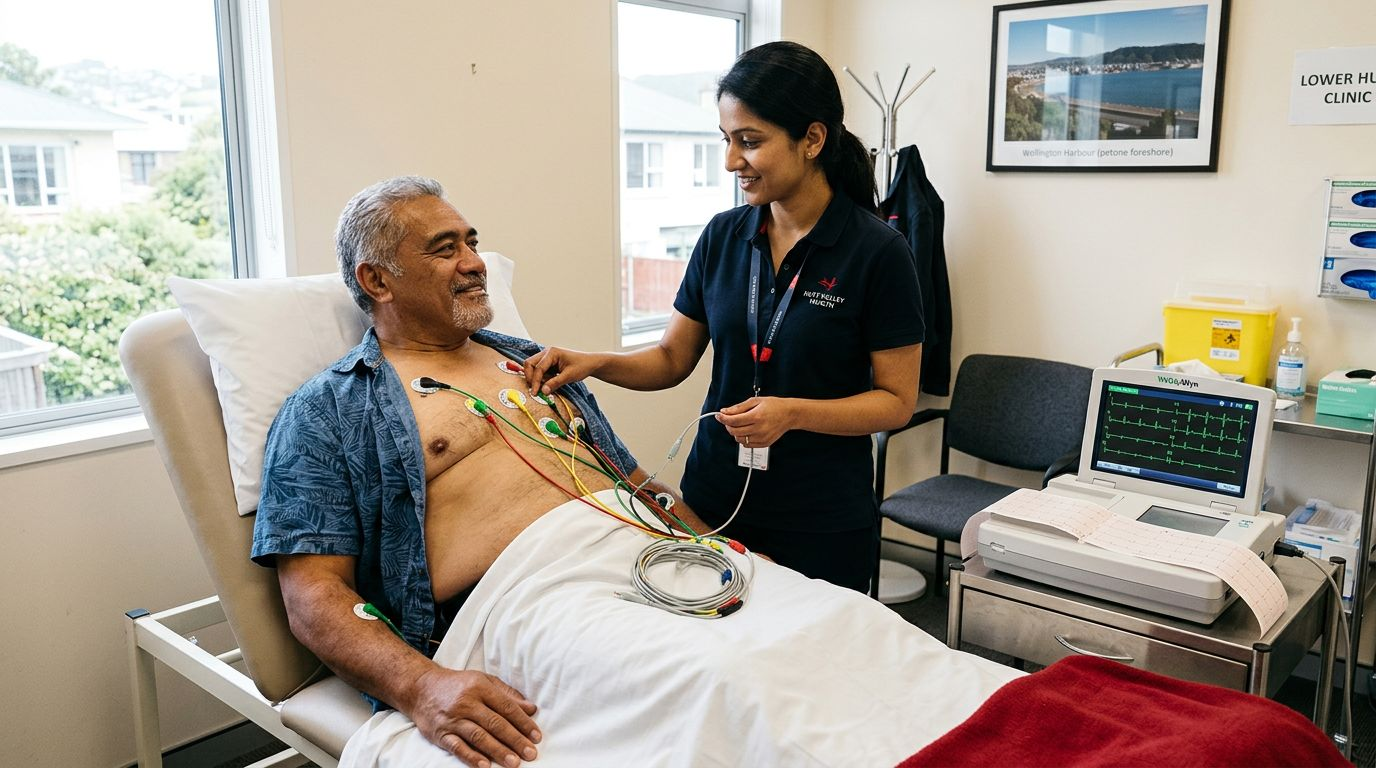
The 12-lead ECG serves as the fundamental starting point for most heart assessments. This quick, painless procedure records the electrical signals of your heart while you are at rest. It identifies immediate concerns such as arrhythmias, conduction issues, or signs of a previous heart attack. The test itself is brief, usually taking about five to ten minutes from start to finish.
While an ECG provides a vital snapshot, it only captures your heart’s activity over a few seconds. If your symptoms are intermittent, further monitoring may be necessary to catch issues that do not appear during a rest period. We provide cardiologist-reviewed ECG reports that give your GP immediate clarity on your baseline rhythm.
Learn more about our standard cardiac screening services at https://www.cardiolabs.co.nz/ECG
Echocardiogram: Seeing Your Heart in Motion
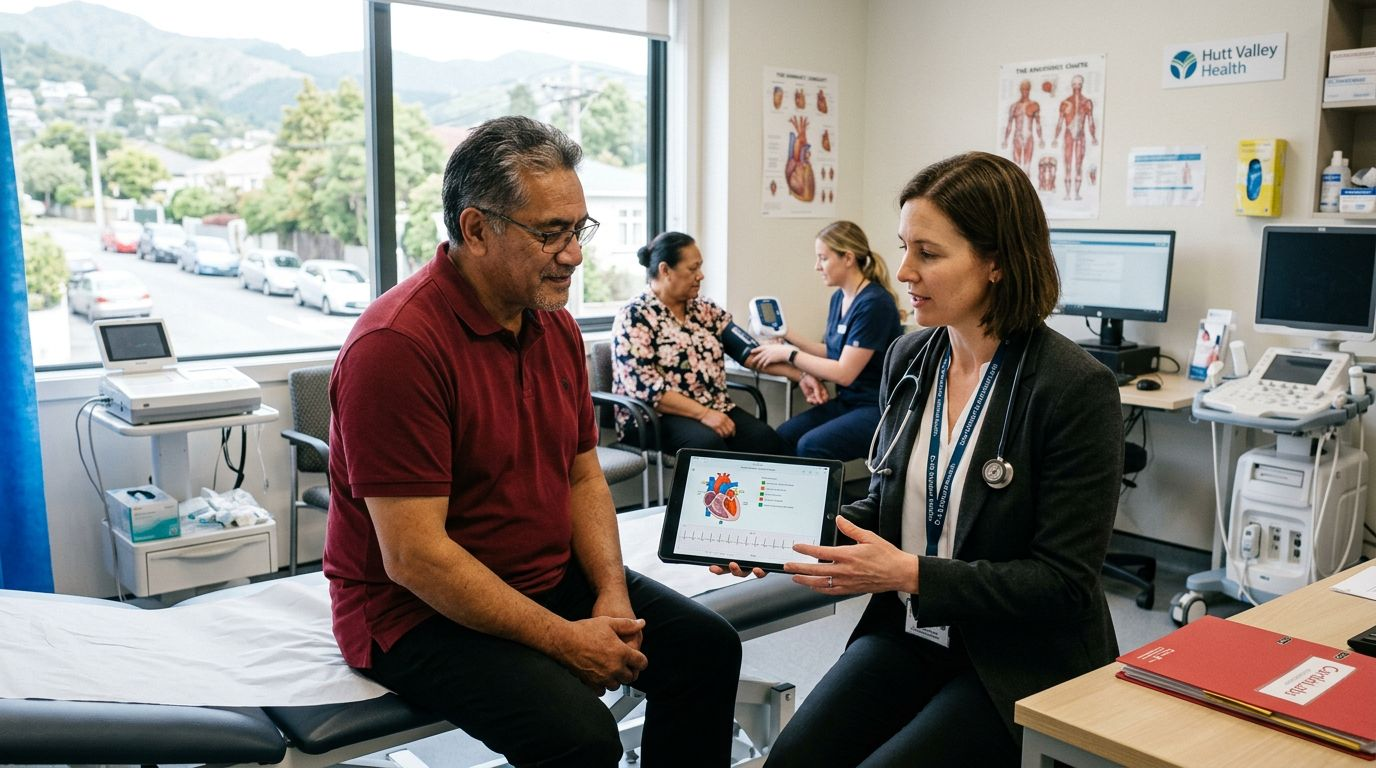
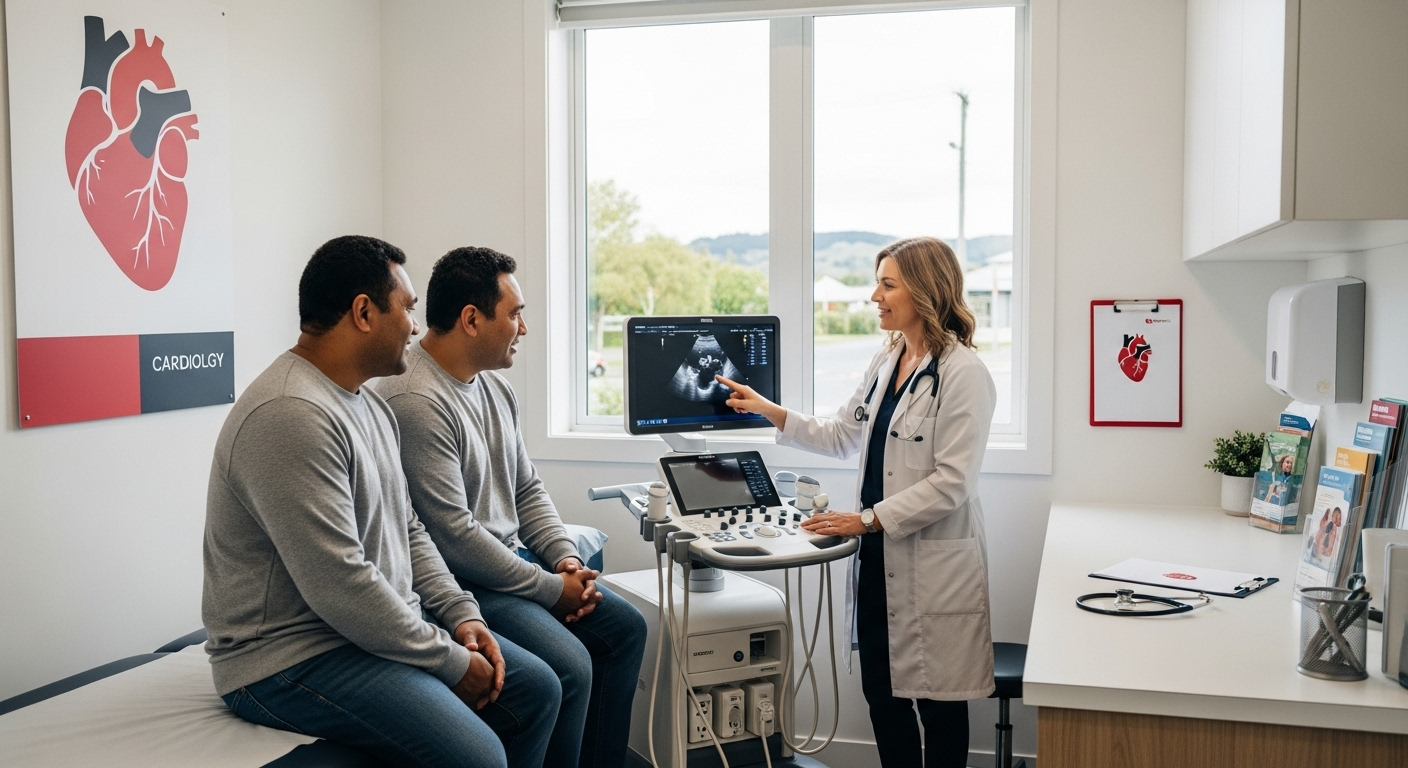
An echocardiogram uses ultrasound technology to create detailed images of your heart’s chambers and valves. This test allows us to observe how well your heart pumps blood and whether your valves are opening and closing correctly. It is the primary tool for diagnosing heart failure, murmurs, and various forms of cardiomyopathy.
A typical appointment lasts between 40 and 60 minutes. Because it uses sound waves rather than radiation, the procedure is entirely safe and non-invasive. Our cardiac sonographers perform these scans in comfortable, local clinics, ensuring you feel relaxed throughout the process. We aim to deliver these results within 24 hours of the appointment.
Find detailed information on preparation and pricing for heart scans at https://www.cardiolabs.co.nz/echocardiogram

Holter Monitoring: Capturing Intermittent Symptoms
Many heart rhythm issues, such as atrial fibrillation, occur sporadically and are easily missed by a standard ECG. Holter monitoring involves wearing a small, portable device that records your heart’s electrical activity continuously for 48 hours or up to seven days. This extended window significantly increases the likelihood of capturing an irregular event while you go about your daily life in Wellington.
You can continue most normal activities while wearing the monitor, though you must keep the device dry. We provide clear instructions on how to manage the equipment and record any symptoms in a diary. This data allows our cardiologists to correlate your physical sensations with your heart’s actual electrical patterns.
Explore our options for multi-day rhythm monitoring at https://www.cardiolabs.co.nz/holter-monitor
24-Hour Blood Pressure Monitoring: The Gold Standard
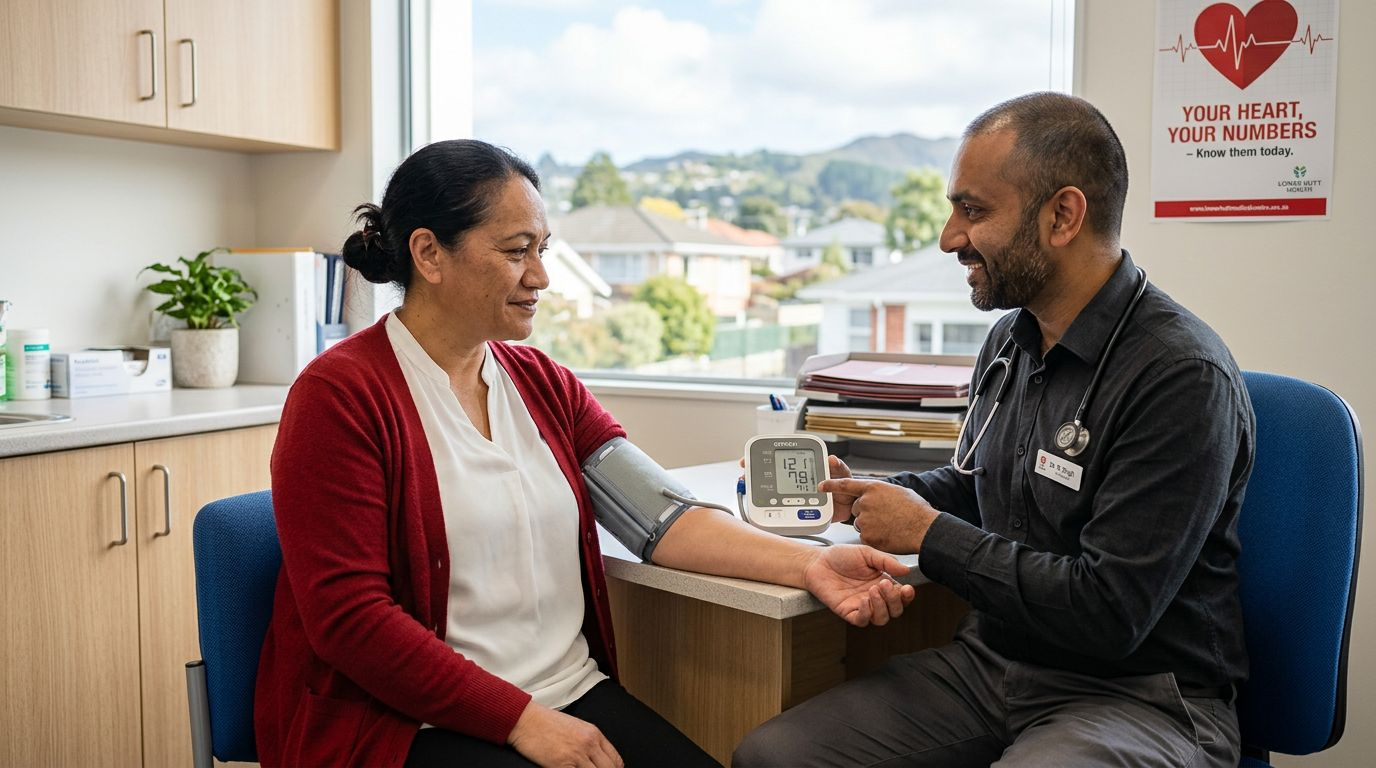
Single blood pressure readings in a clinic can be misleading. Some patients experience "white-coat hypertension," where their pressure rises due to the stress of the medical environment. Others may have "masked hypertension," where clinic readings appear normal despite high pressure during daily activities. Ambulatory blood pressure monitoring tracks your levels every 20 to 30 minutes over a full day and night cycle.
This method is regarded as the gold standard for hypertension diagnosis because it reveals your heart’s true workload. A healthy heart typically shows a 10% to 20% drop in blood pressure during sleep. Identifying an absent or reversed nocturnal dip allows your doctor to manage your stroke and heart attack risk more effectively.
Read about the benefits of 24-hour ambulatory monitoring at https://www.cardiolabs.co.nz/24hr-blood-pressure-monitor
What to Expect During Your Appointment
Preparation for most heart tests is straightforward. We recommend wearing comfortable, loose-fitting clothing and avoiding heavy creams or lotions on your chest, as these can interfere with electrode contact. For an echocardiogram, you will be asked to lie on your side while a sonographer moves a transducer over your chest. For monitoring devices, we will fit the equipment and ensure you are comfortable before you leave the clinic.
Privacy and patient comfort are our priorities. We offer chaperones for all procedures and ensure that every step of the process is explained clearly. Once the test is complete, you can return to your normal routine immediately. Monitoring devices are simply returned to the clinic at the end of the recording period.
Understanding Your Results and Next Steps
Receiving heart test results can feel overwhelming, but we ensure the process is as transparent as possible. Every test performed at our clinics undergoes a dual review by a cardiac physiologist and a cardiologist. The final report includes a detailed analysis of your heart’s function and specific management advice for your GP.
Your results may confirm that your heart is functioning perfectly, providing valuable peace of mind. Alternatively, they may indicate a need for medication adjustments, lifestyle changes, or further specialist referral. We work closely with your primary care provider to ensure you have a clear pathway forward, regardless of the findings.
Accessible Heart Care in the Wellington Region
We established CardioLabs to bridge the gap between overstretched public services and the needs of local patients. By operating mobile and community-based clinics across Wellington, the Kapiti Coast, and the Hutt Valley, we bring hospital-grade diagnostics closer to your home. Our focus on fast turnaround times and expert oversight ensures that your heart health remains a priority.
Whether you are a retiree in Paraparaumu or a busy professional in the Wellington CBD, we provide the clarity you need to move forward with confidence. Heart testing is a proactive step toward a longer, healthier life, and we are here to support you at every stage of that journey.
_Disclaimer: The information provided in this guide is for educational purposes only and does not substitute for professional medical advice, diagnosis, or treatment. Always seek the advice of your physician or other qualified health provider with any questions you may have regarding a medical condition._