Heartbeat Unveiled: ECG vs. Holter – Your Guide to Cardiac Rhythm Diagnostics
Reading the Rhythms: From Resting ECGs to 24/7 Holter Monitoring
Key Takeaways
- A standard 12-lead ECG provides a vital 10-second snapshot of your heart's electrical activity to identify immediate concerns.
- Holter monitoring records every heartbeat for 48 hours to 7 days, significantly increasing the chance of detecting intermittent arrhythmias.
- CardioLabs offers hospital-grade diagnostics in community clinics across Wellington, Hutt Valley, and Kapiti, ensuring rapid results for GPs.
- Early detection of conditions like Atrial Fibrillation (AF) is essential for reducing long-term risks such as stroke or heart failure.
Your heart operates on a sophisticated internal wiring system. Every single beat begins with an electrical signal that travels through the heart muscle, telling it when to contract and pump blood. When this system functions correctly, your heart maintains a steady, predictable rhythm. When the signals become erratic, you might experience palpitations, dizziness, or unexplained fatigue.
We use two primary tools to investigate these electrical signals: the resting 12-lead ECG and the continuous Holter monitor. Understanding the difference between these tests helps you take charge of your cardiac health. Whether you are a regular walker in the Hutt Valley or a competitive athlete in Wellington, knowing how we track your heart rhythm provides peace of mind.

The Electrical Snapshot: The 12-Lead ECG
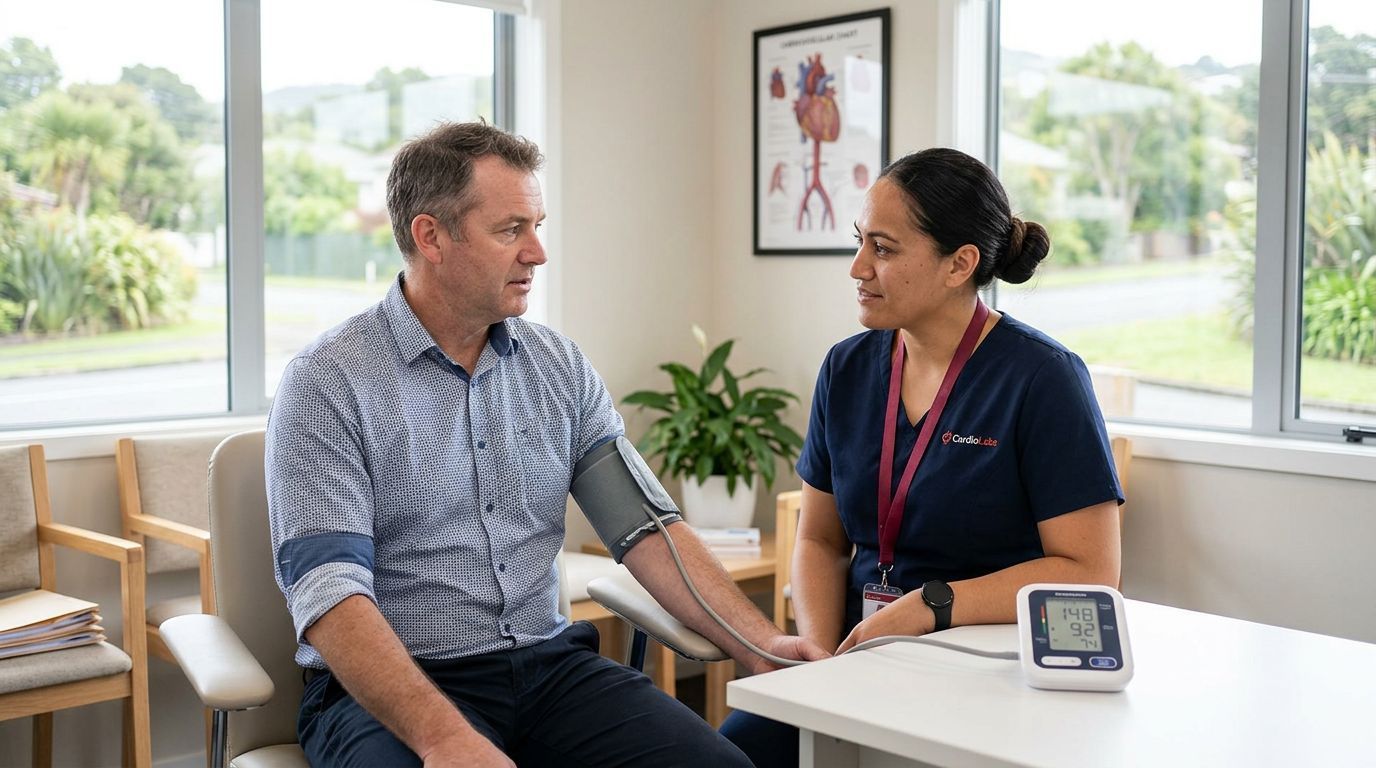
A standard 12-lead electrocardiogram (ECG) serves as the fundamental starting point for heart rhythm assessment. This test records approximately 10 seconds of electrical activity while you lie still. It is a painless, non-invasive procedure where we place small sensors on your chest, arms, and legs to view the heart from twelve different angles.
This brief recording allows us to see the P, QRS, and T waves, which represent different stages of the heart's electrical cycle. A 12-lead ECG is highly effective at identifying constant abnormalities, signs of a previous heart attack, or significant conduction blocks. Doctors often request this test for routine pre-surgery checks, high blood pressure monitoring, or when a patient experiences persistent chest discomfort.
The primary limitation of a resting ECG involves its duration. Because it only captures 10 seconds of data, it may miss symptoms that come and go. If you experience a "fluttering" sensation once every few hours, a standard ECG is unlikely to catch it during your five-minute appointment.

Capturing the Full Story: Holter Monitoring
When symptoms are intermittent or unpredictable, we require a longer recording period. This is where holter monitoring becomes essential. A Holter monitor is a portable device that records your heart's electrical activity continuously for 24 hours, 48 hours, or even up to 7 days.
Extended monitoring provides a comprehensive record of how your heart responds to daily life, including sleep, exercise, and stress. Research indicates that longer monitoring periods significantly improve the detection of elusive issues. For example, a study of post-stroke patients found that 48 hours of monitoring caught 70 percent of new Atrial Fibrillation cases, but extending that to 7 days captured the remainder. We provide these extended options to ensure we do not miss critical data.
Identifying Arrhythmias and Heart Health Risks
An arrhythmia is a disturbance in the speed or regularity of your heartbeat. Some rhythms are too fast (tachycardia), some are too slow (bradycardia), and others are completely irregular. You can learn more about these specific conditions on our cardiology education page.
Atrial Fibrillation (AF) is one of the most common arrhythmias we monitor in New Zealand. It affects roughly 5 percent of Kiwis aged 65 to 74 and up to 11 percent of those over 75. Detecting AF is vital because the condition increases the risk of stroke by 2.5 times and heart failure by five times. By using a Holter monitor to catch AF early, we enable your GP to start treatments that significantly lower these risks.
Take a resident in Porirua who feels an occasional "skip" in their heart rate. A 12-lead ECG might look perfect at 10:00 AM, but a 48-hour Holter monitor could reveal that the "skip" is actually a brief episode of supraventricular tachycardia (SVT) occurring during their evening walk. This clarity allows for an accurate diagnosis and a clear treatment plan.
The Patient Experience at CardioLabs
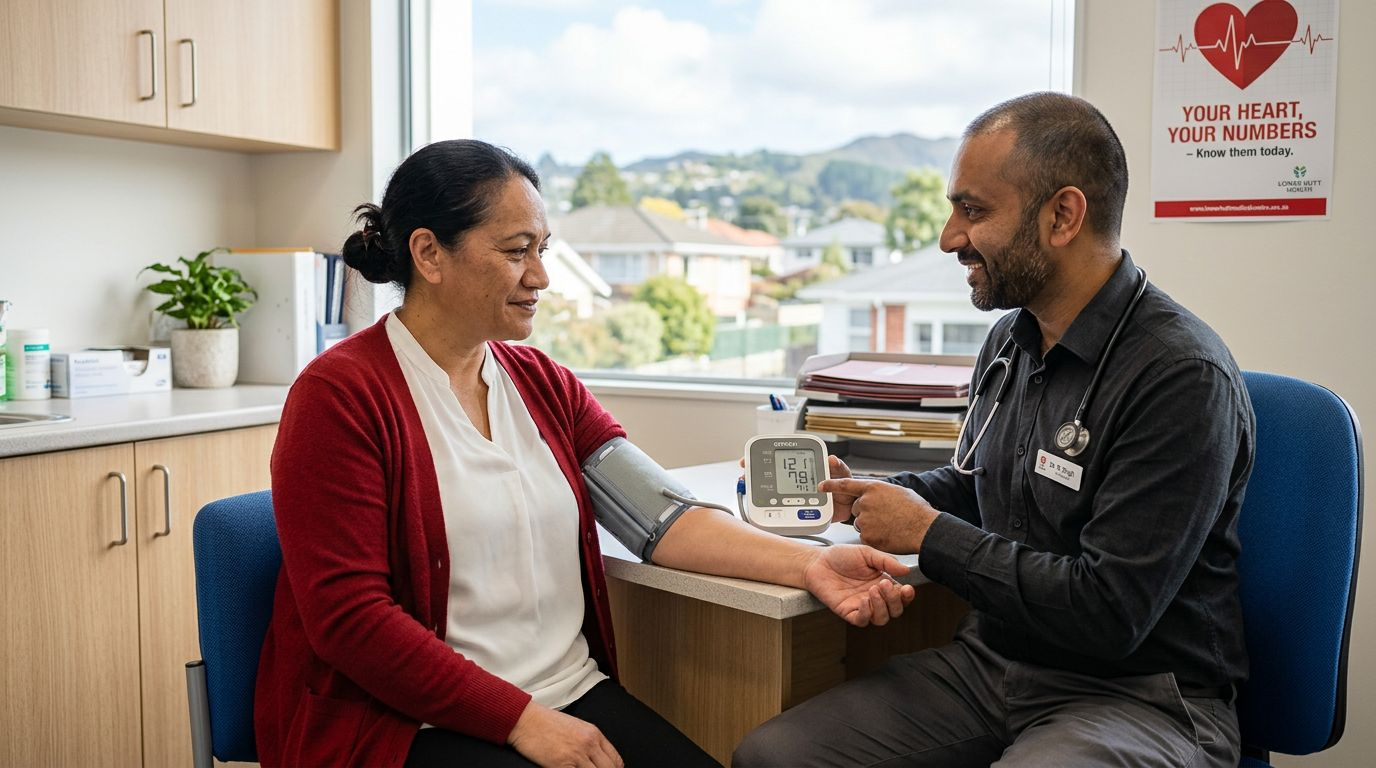
We designed our process to be as simple and stress-free as possible. For a standard ECG, the appointment is quick, and you can return to your day immediately. For Holter monitoring, we fit a small, lightweight device that you wear under your clothes. Modern patch-style monitors are discreet and allow you to continue with your normal routine, including exercise and sleeping.
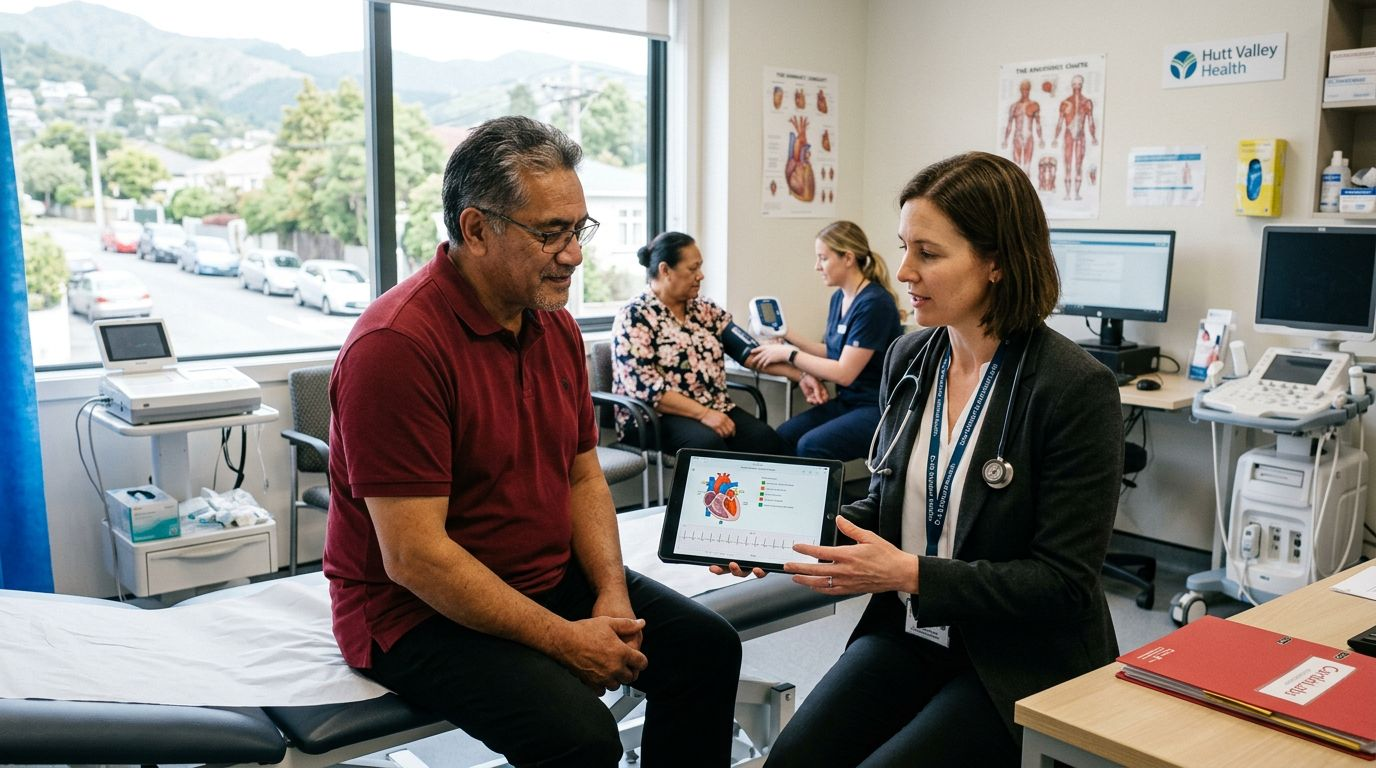
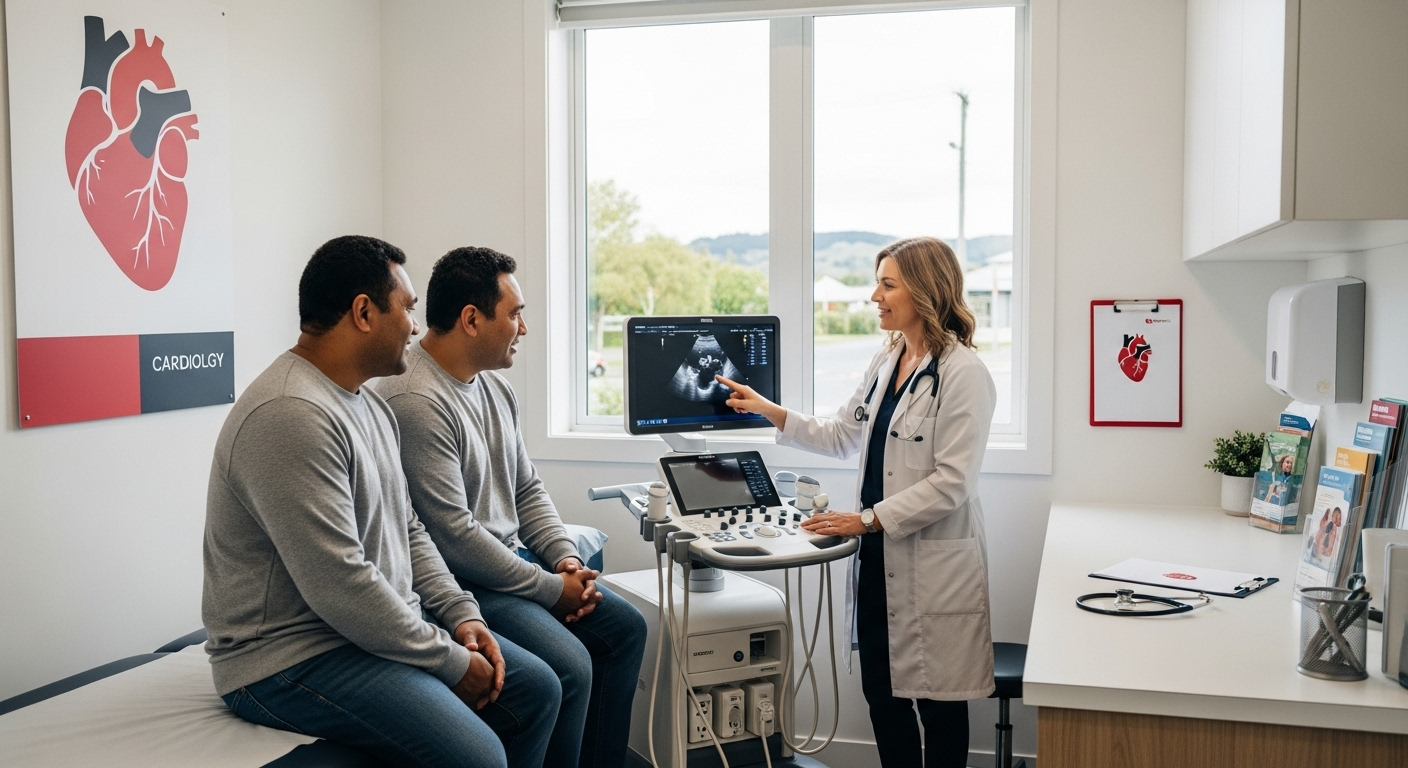
We ask you to keep a simple diary of any symptoms you feel while wearing the monitor. This allows our cardiologists to correlate your physical sensations with the electrical data on the recording. Once the monitoring period ends, you return the device to one of our local clinics or via a pre-arranged courier. Our team of physiologists and cardiologists then analyse every heartbeat, providing a detailed report to your GP, usually within 24 to 48 hours.
Cardiac Screening for Athletes
Athletes and highly active individuals have unique cardiac profiles. While exercise is generally beneficial, long-term high-intensity training can slightly increase the risk of certain arrhythmias. We provide baseline ECGs for athletes to screen for inherited conditions and Holter monitoring for those who experience palpitations during peak performance.
Our screening protocols align with global athletic safety standards. By identifying potential issues early, we help athletes in the Wellington region stay active safely, ensuring their heart can handle the demands of their sport.
Local Access to Expert Heart Care
Waiting weeks for a hospital appointment can be a source of significant anxiety. CardioLabs provides a community-based alternative with short wait times and hospital-grade technology. We operate across Wellington, the Kapiti Coast, Hutt Valley, Wairarapa, and Palmerston North, bringing expert diagnostics closer to your home.
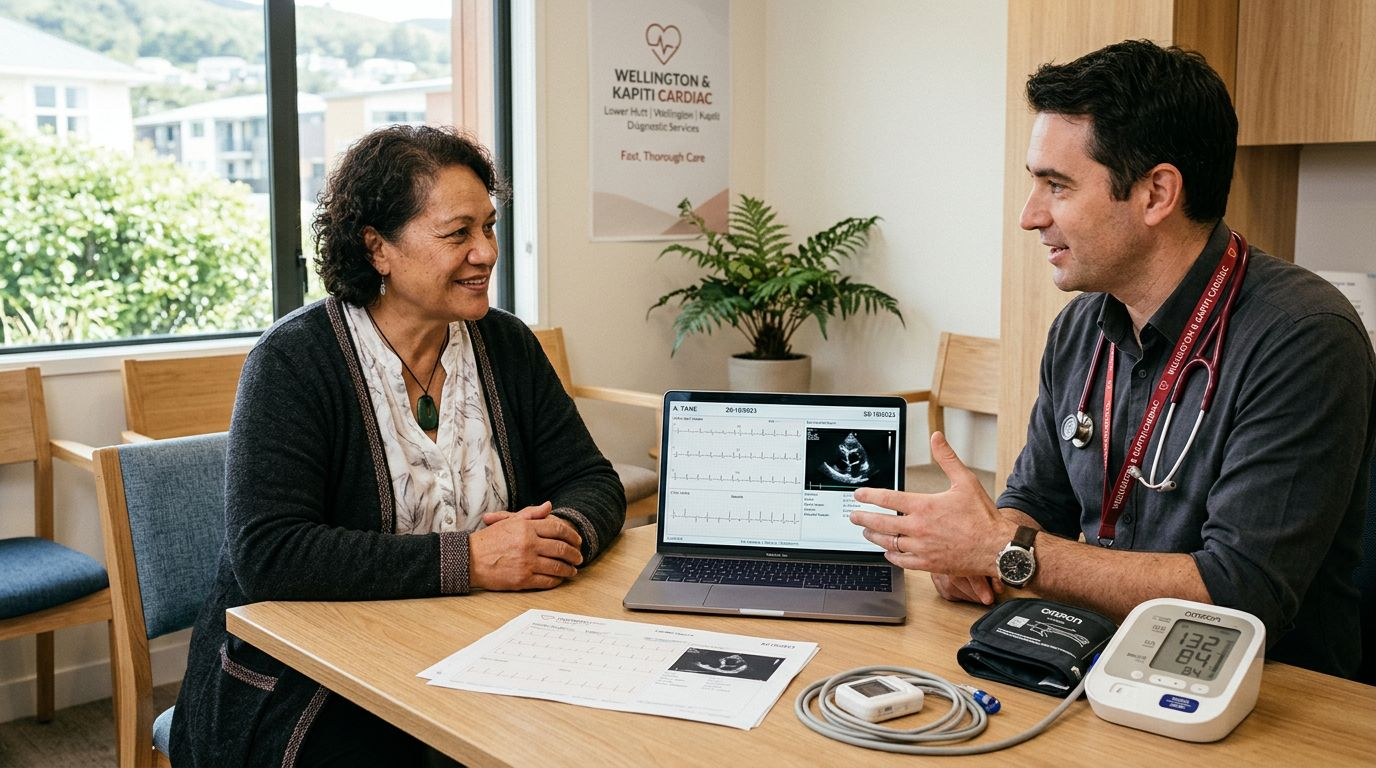
Our model focuses on rapid access and expert interpretation. Because our reports are reviewed by experienced cardiologists and sent directly to your GP, you receive the answers you need to move forward with your health journey without unnecessary delays. If you have concerns about your heart rhythm, speak to your GP about a referral for an ECG or Holter monitor with our team.
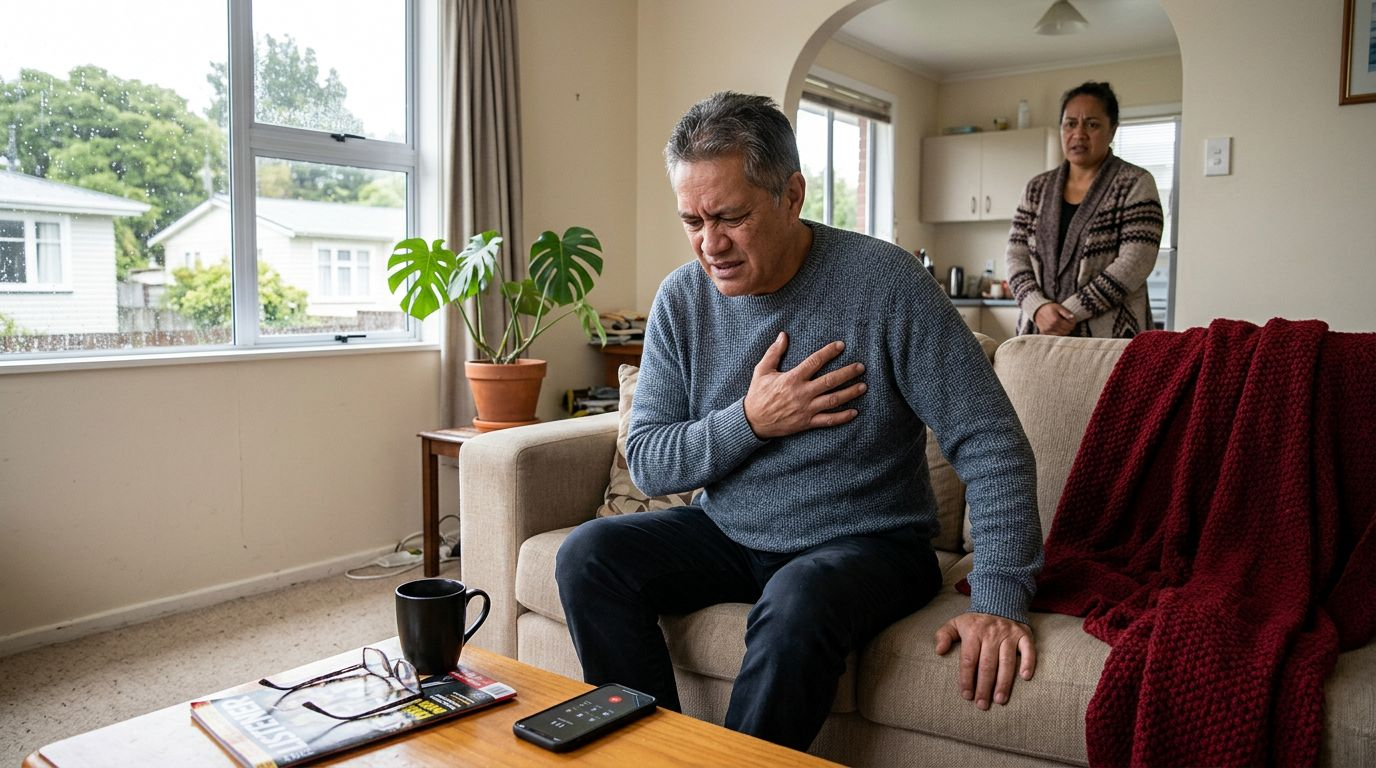
Medical Disclaimer: The information provided in this article is for educational purposes only and does not substitute for professional medical advice, diagnosis, or treatment. Always seek the advice of your physician or other qualified health provider with any questions you may have regarding a medical condition. If you are experiencing a medical emergency, such as severe chest pain or difficulty breathing, call 111 immediately.